Ian Carmenates
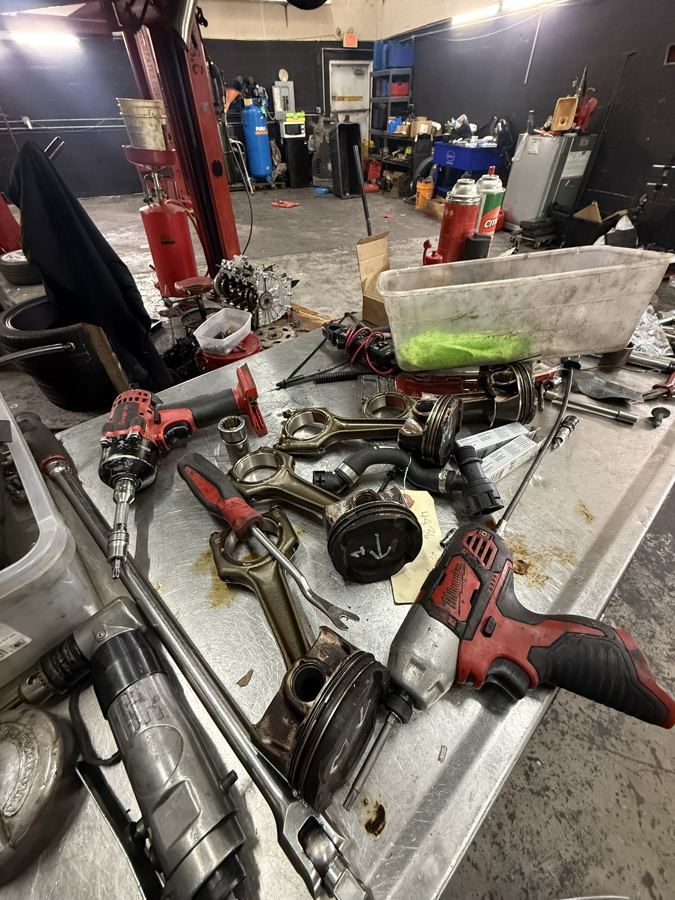
I'm a mechanical engineering student at FIU. I repair arcade machines down to the board and component level, work on cars, and run my own servers on the side. I like finding what actually failed instead of swapping parts until something works.
Education

Coursework in statics, thermodynamics, and mechanical design, applied directly to automotive and electromechanical side projects outside the classroom.
Resume
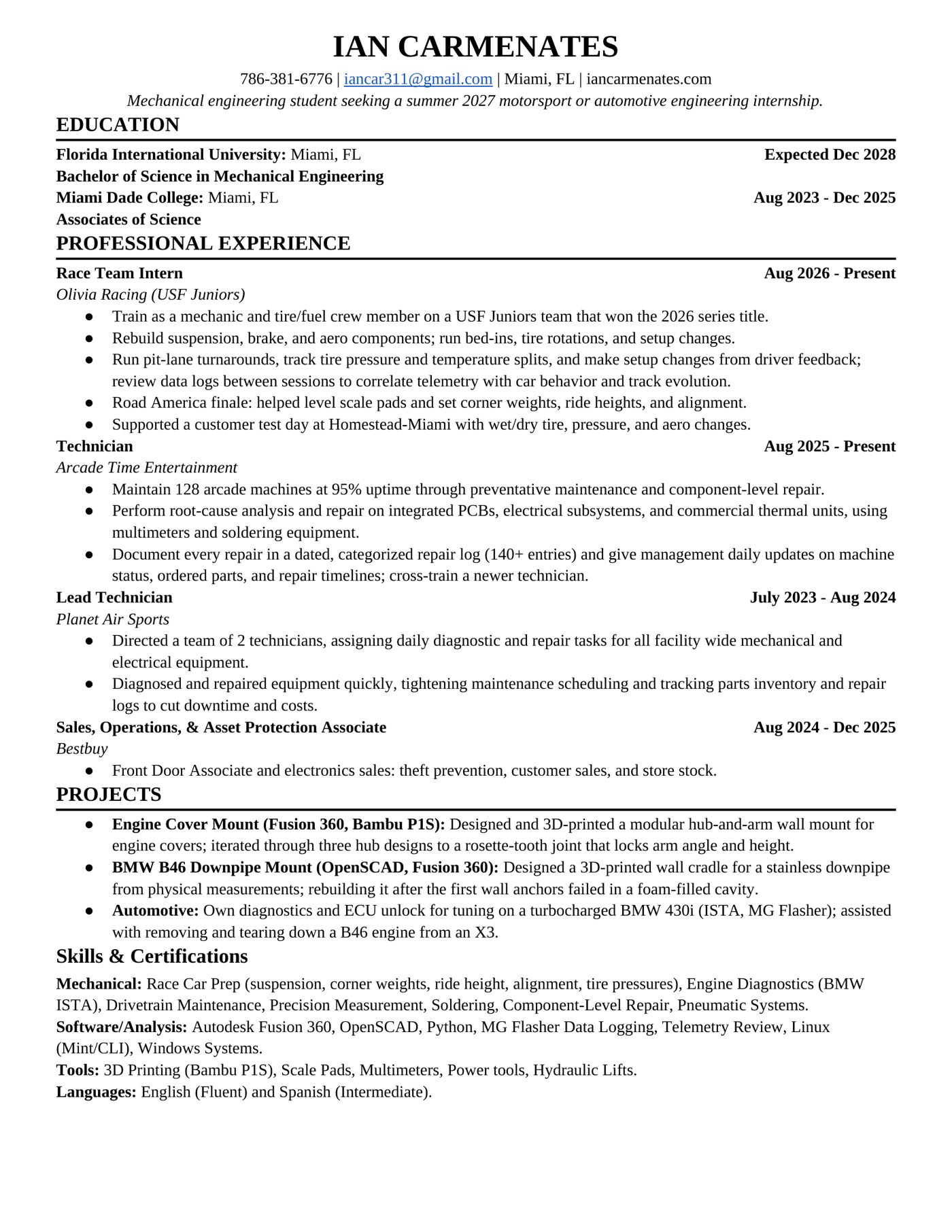
Ian Carmenates — Resume
Mechanical Engineering @ FIU, USF Juniors race team intern, component-level repair background, automotive and CAD project work. Full one-page PDF.
Work
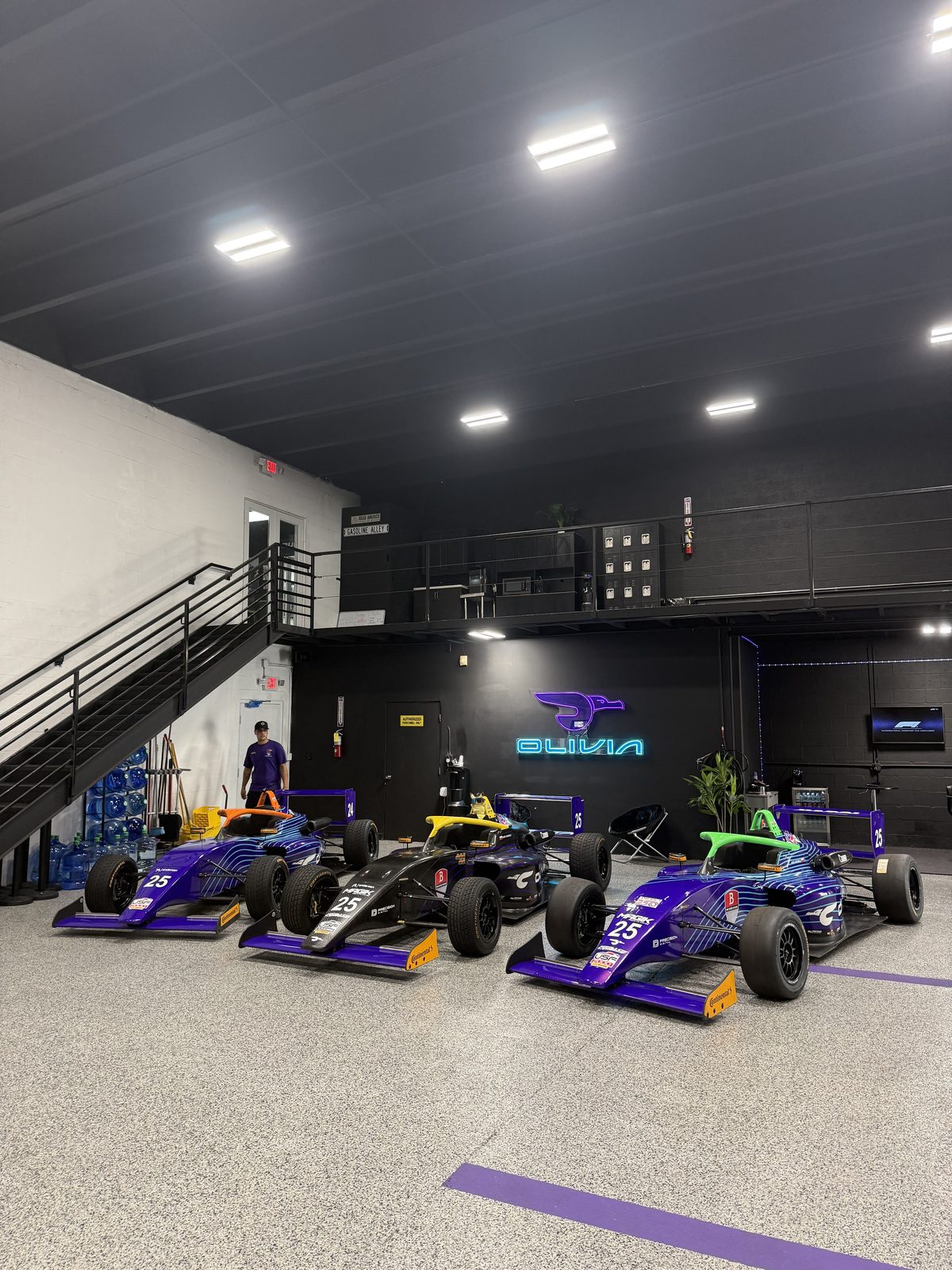
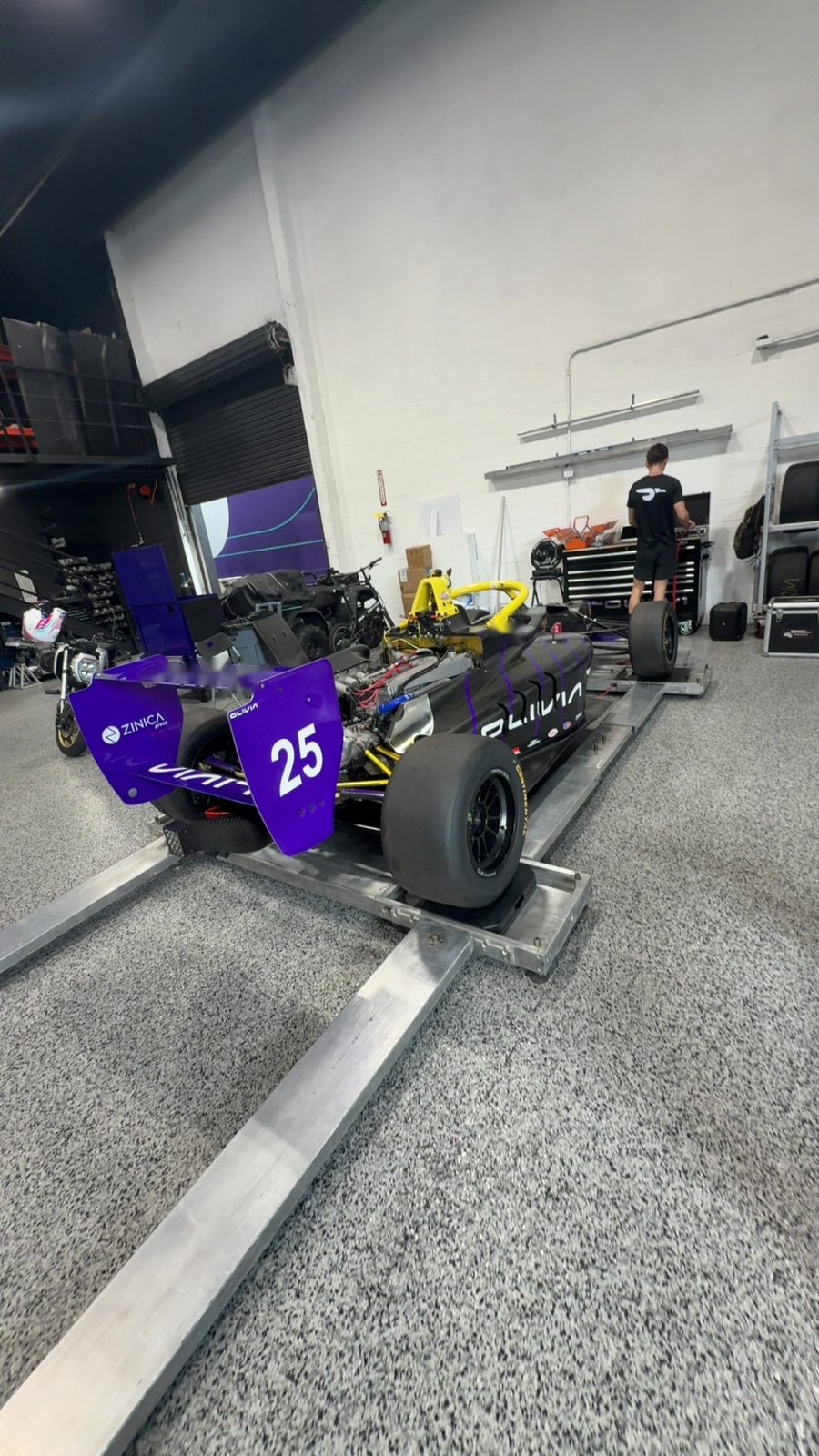
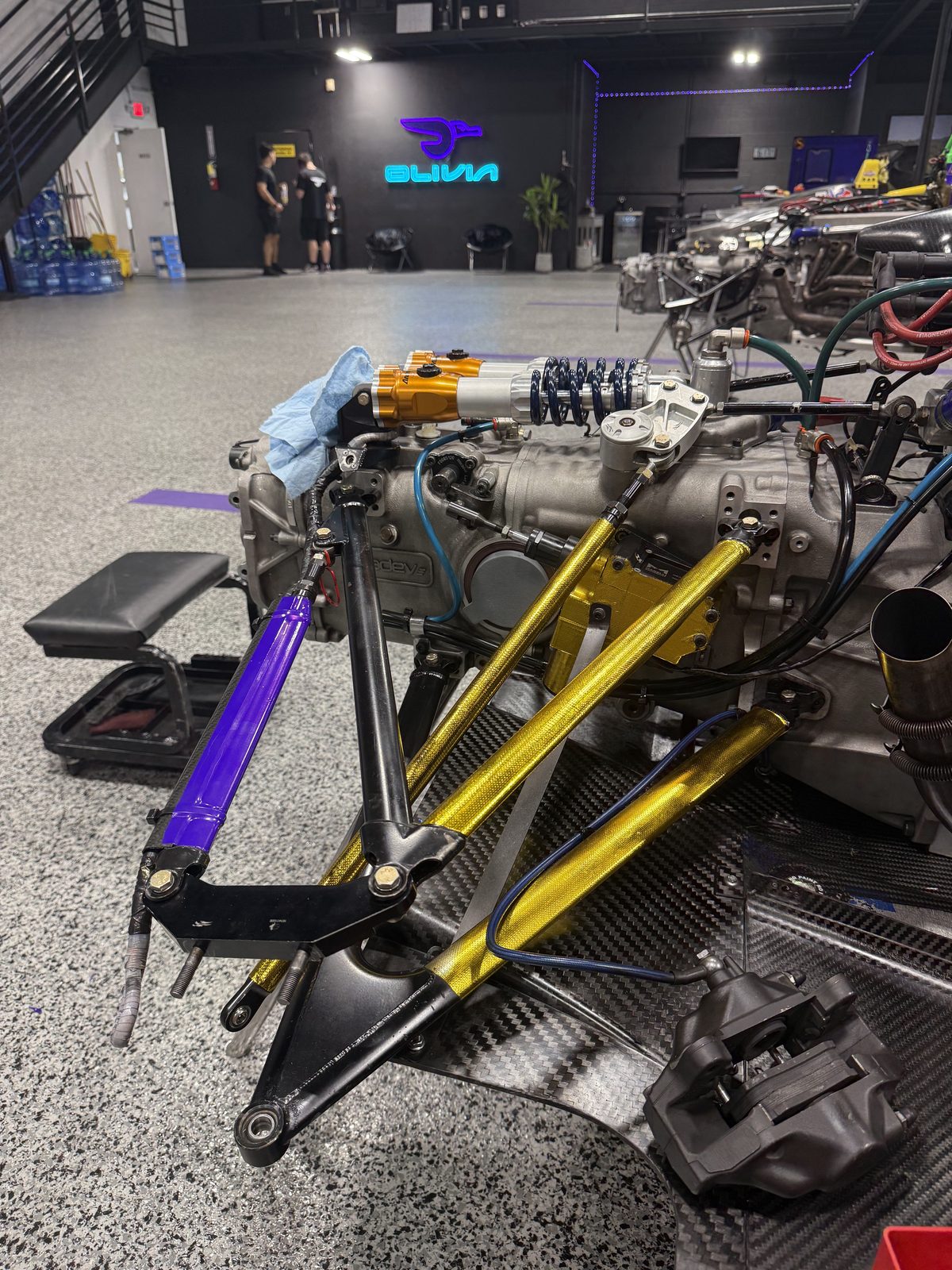
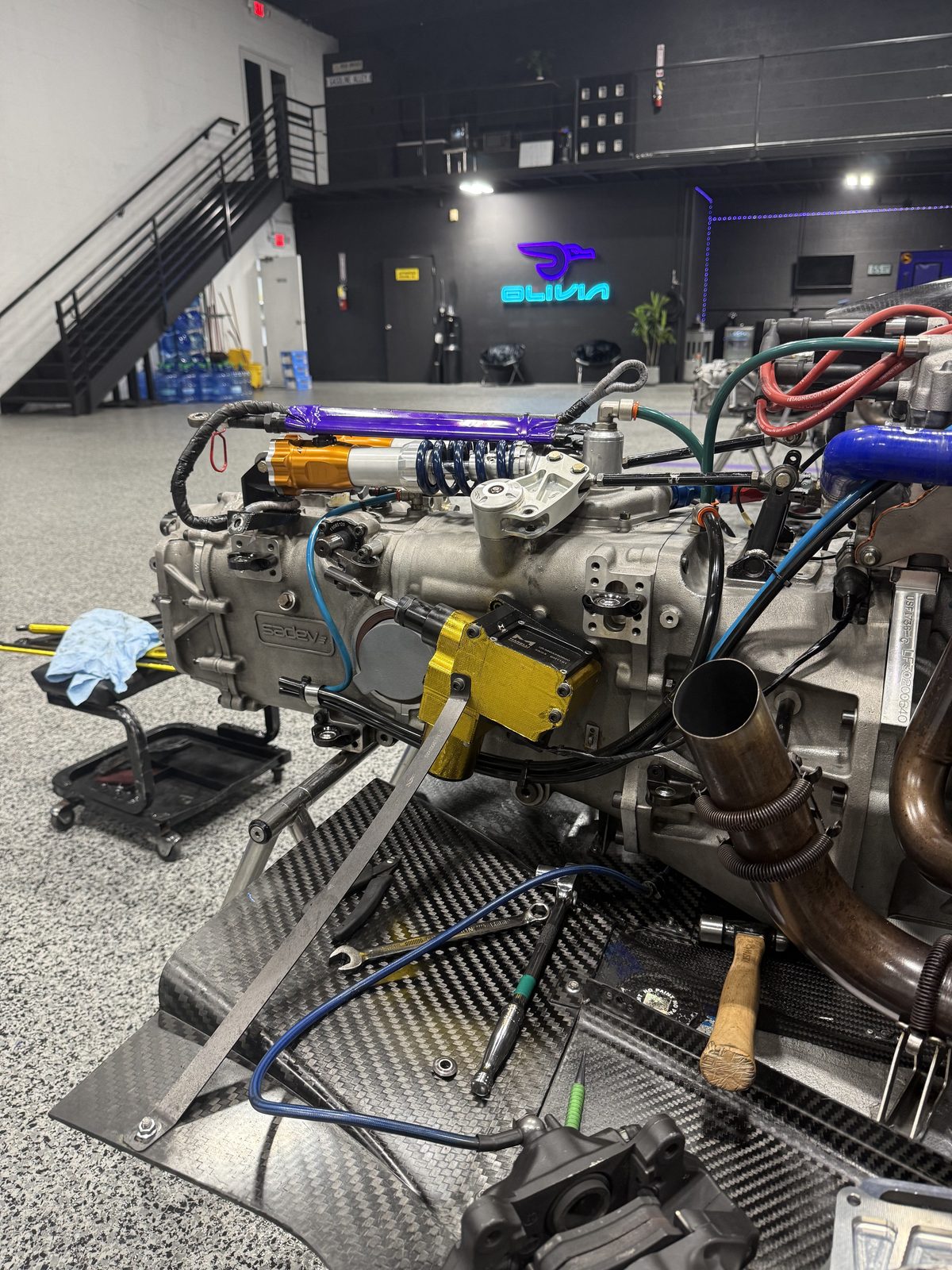
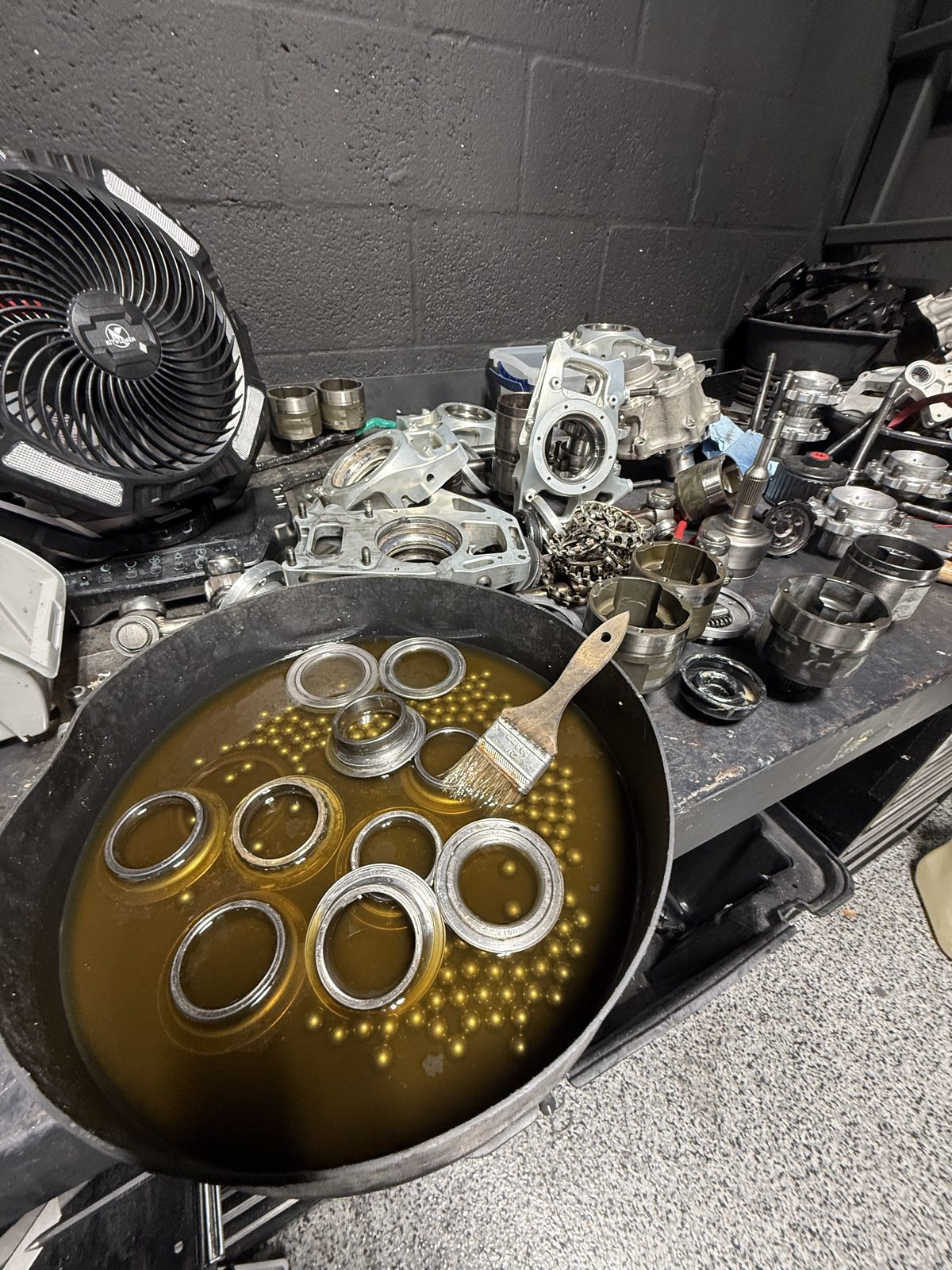
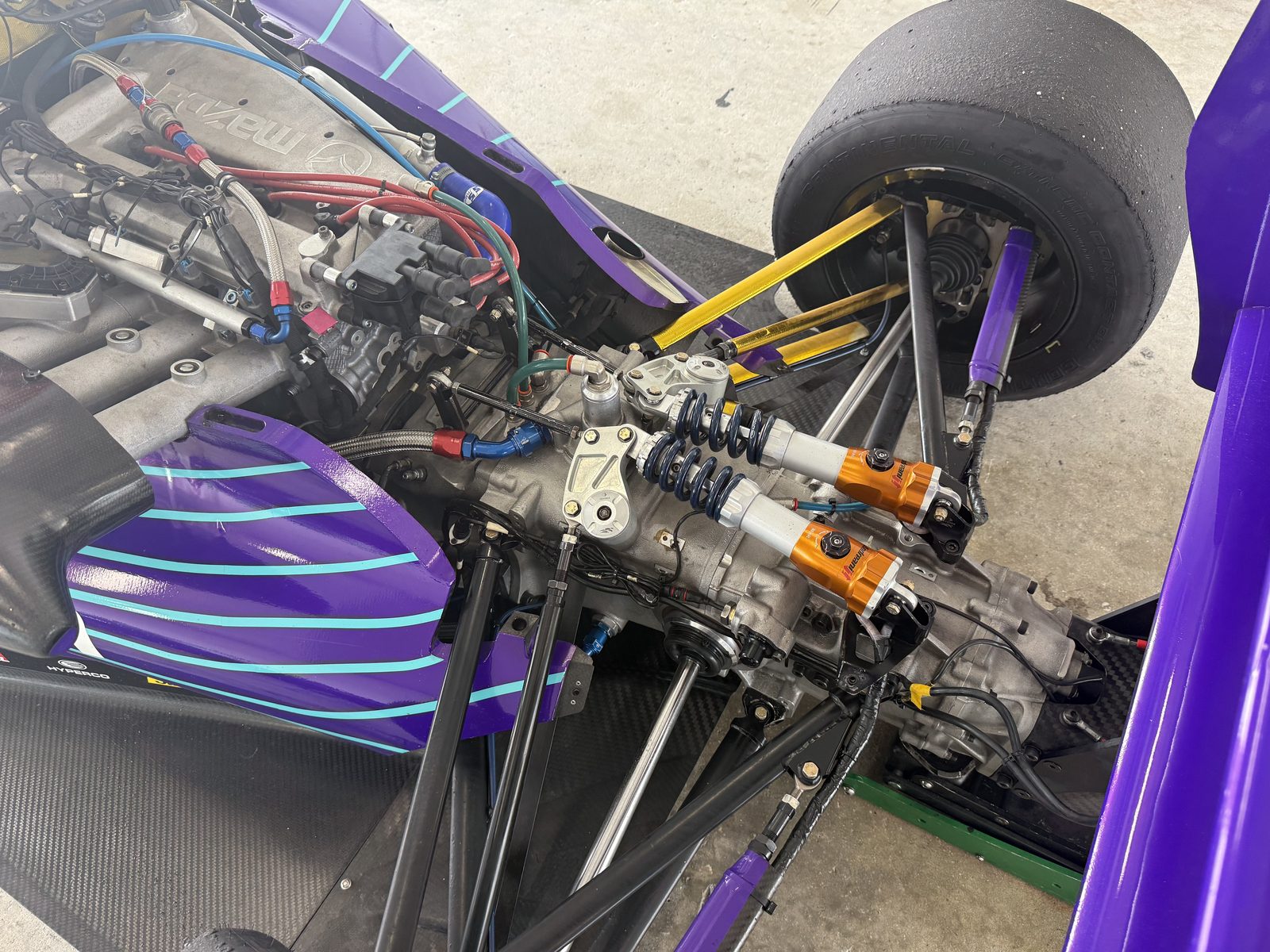
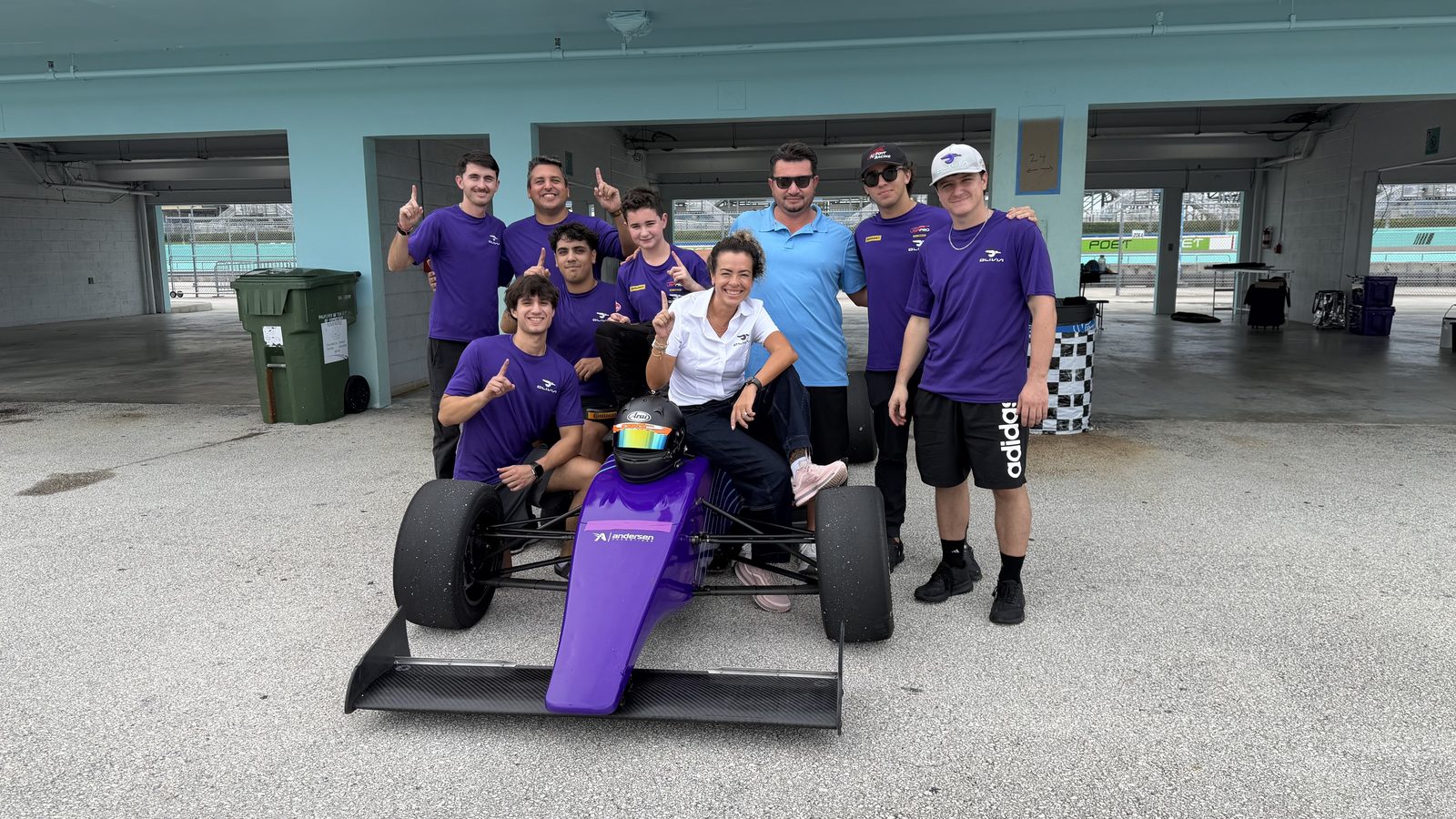
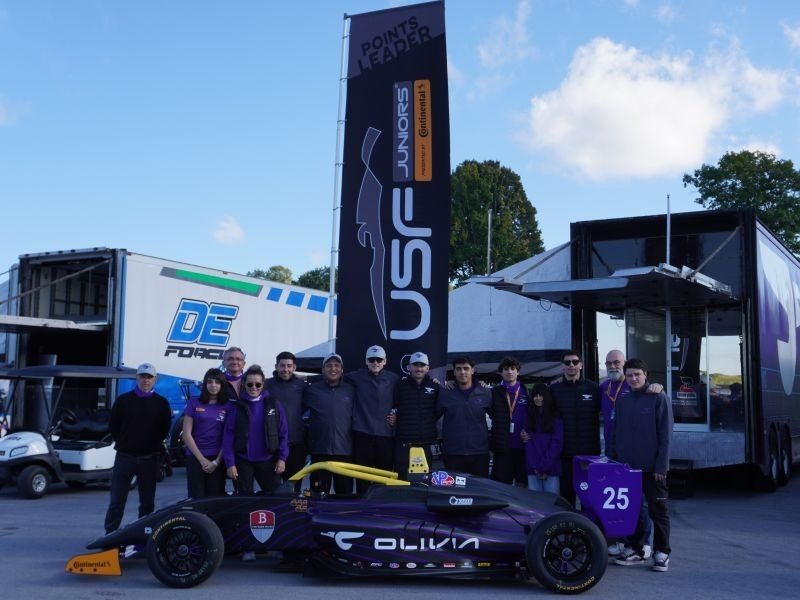
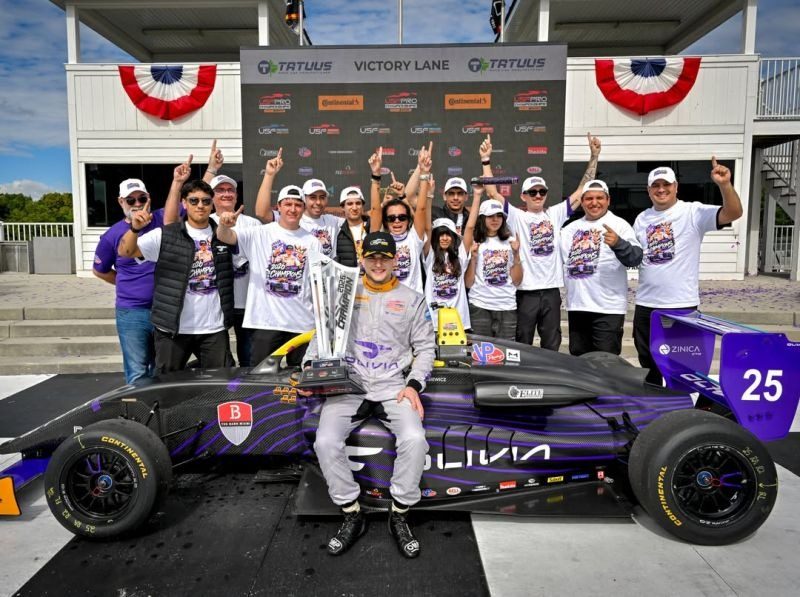
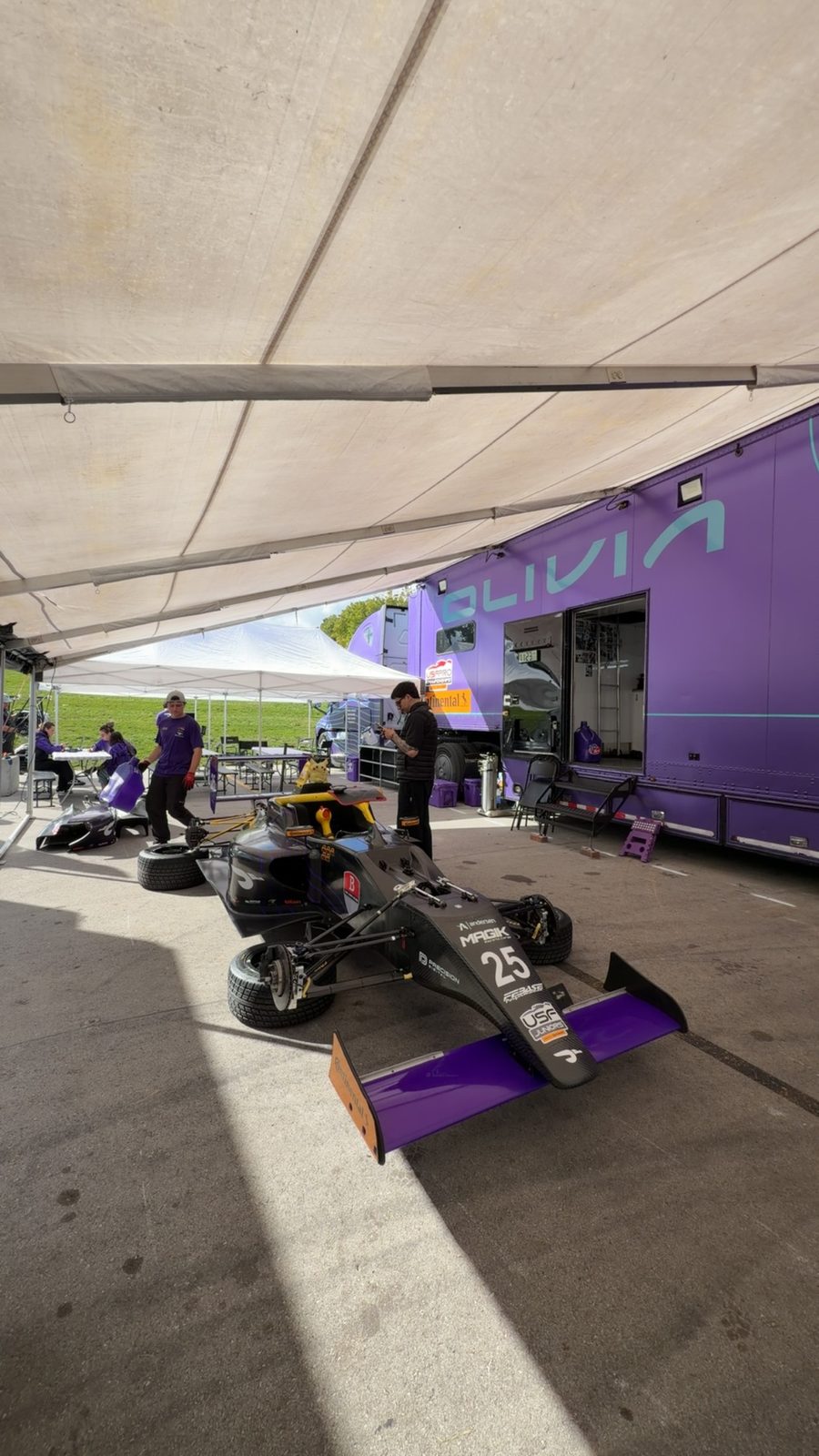
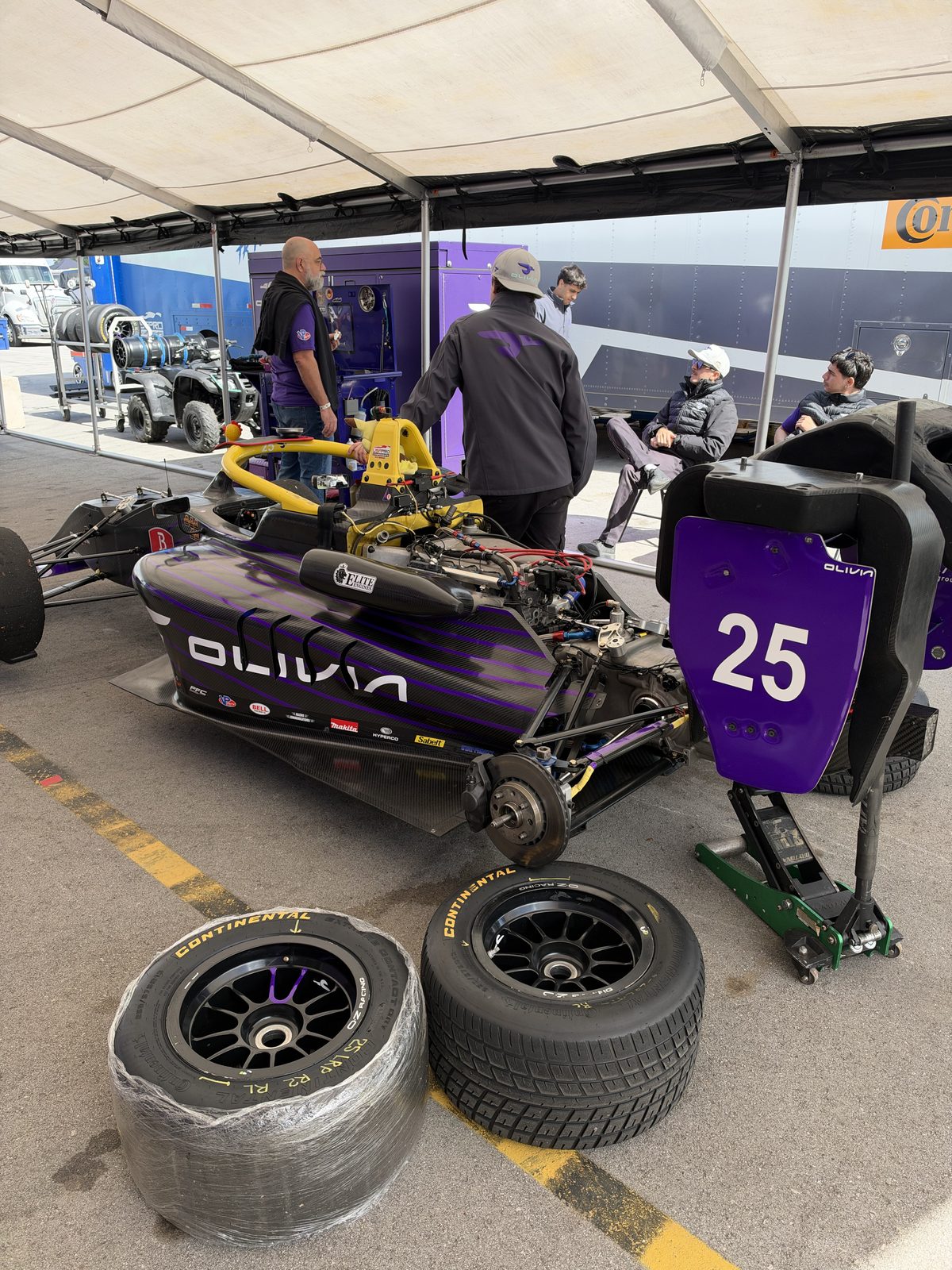
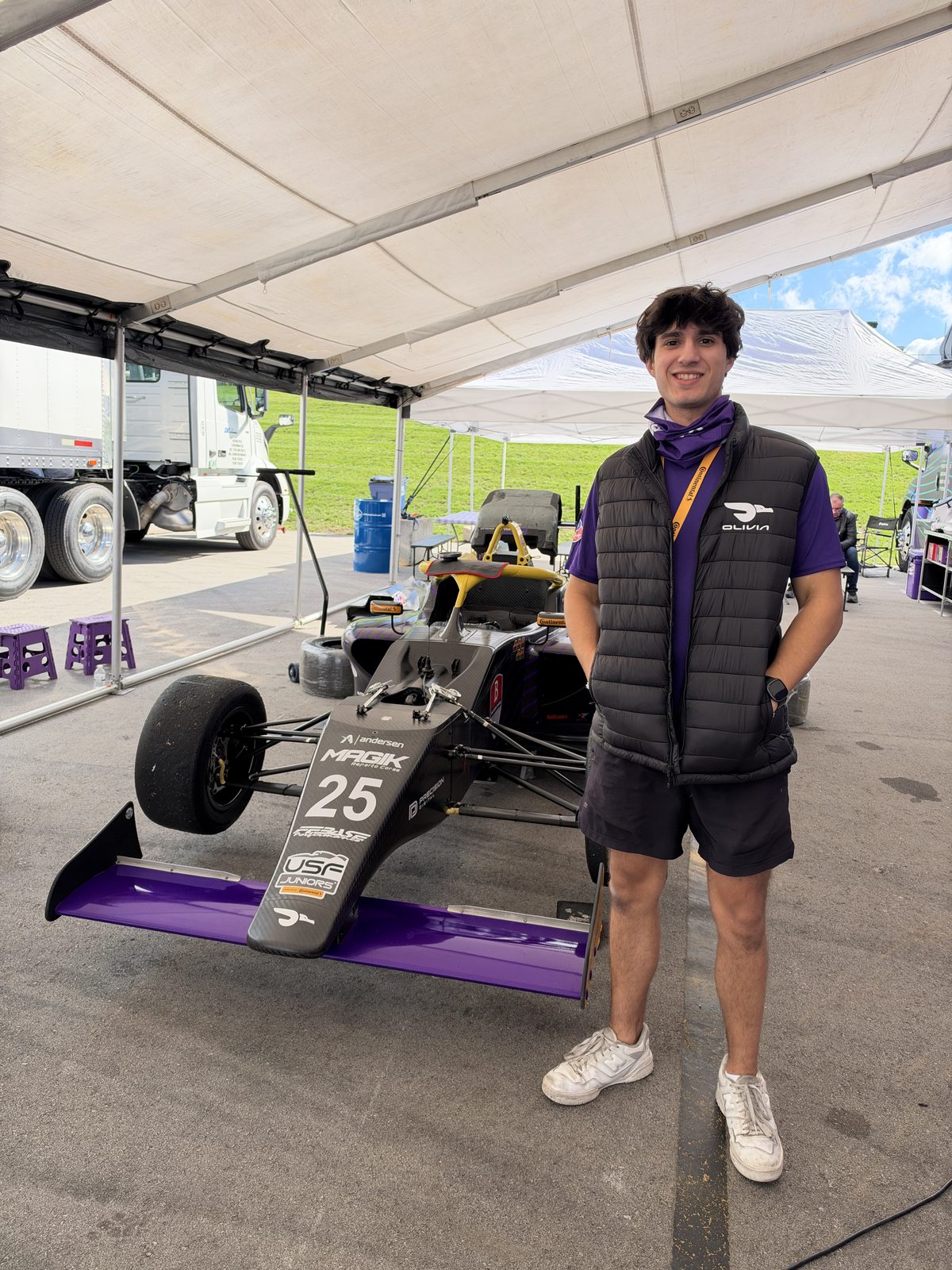
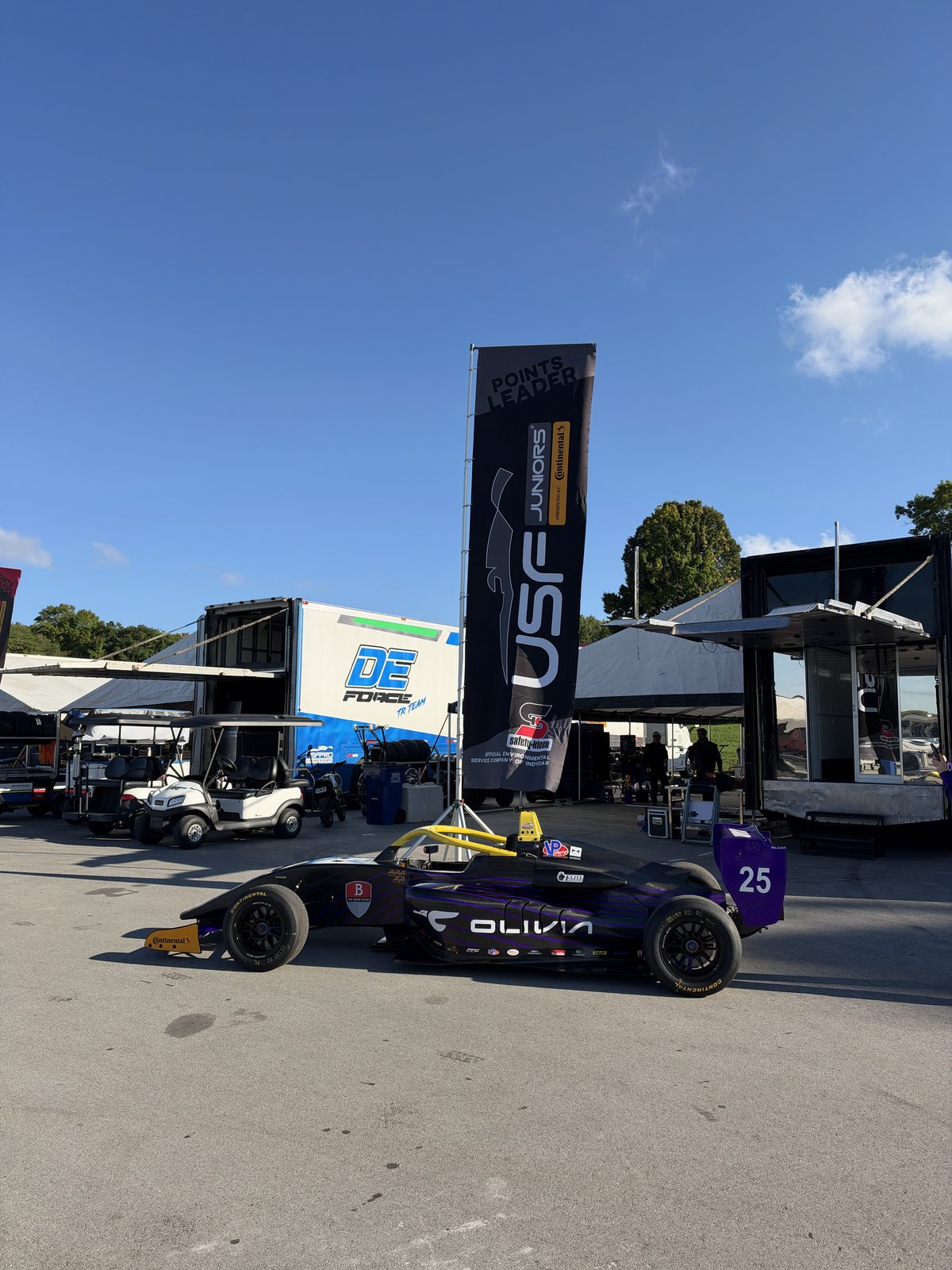
Objective: Training toward the mechanic and tire/fuel role on a USF Juniors team, working shop and trackside: chassis prep, suspension and aero, setup changes, telemetry review.
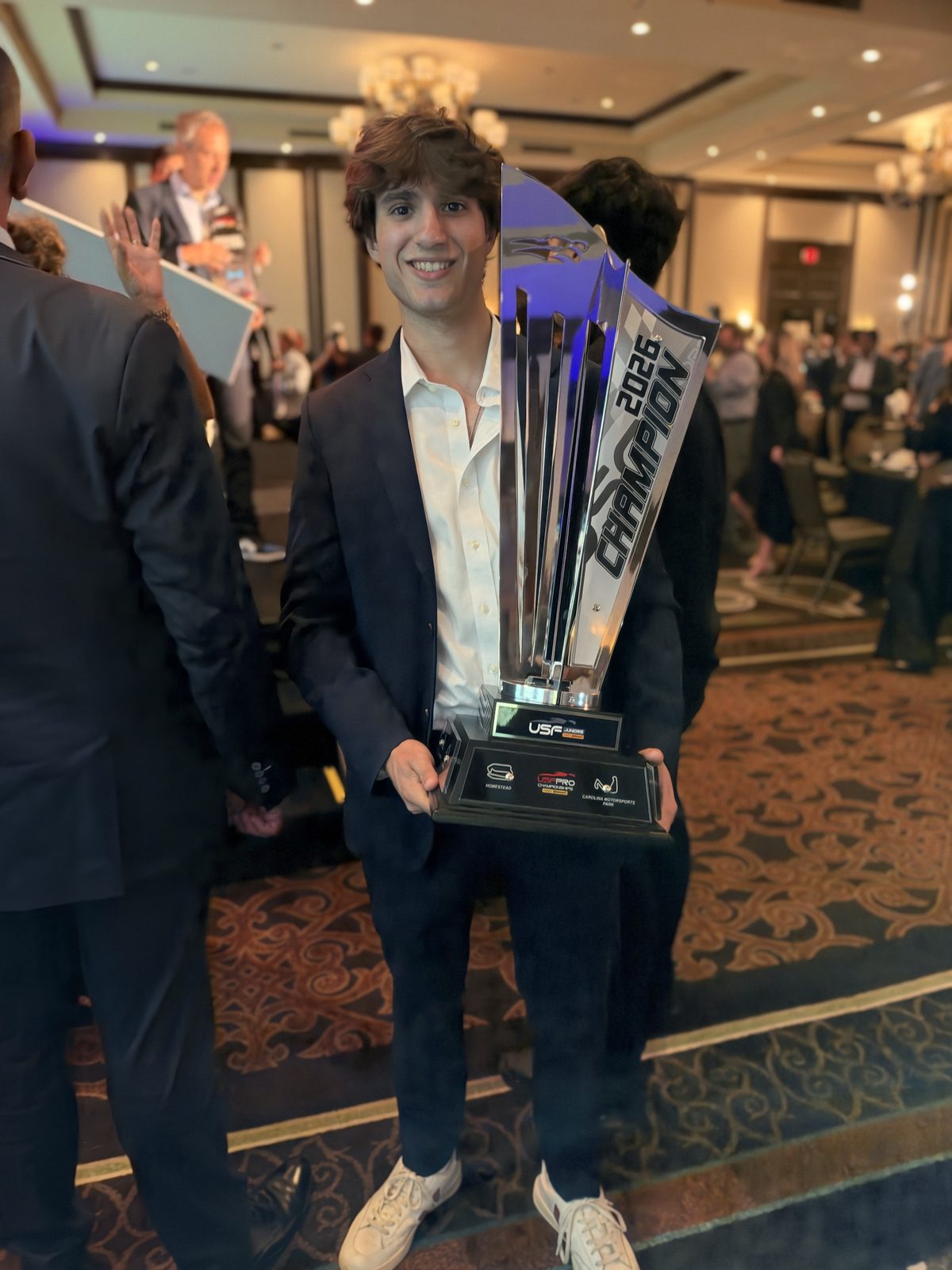
Result: Joined in August 2026 and supported the team through the Road America season finale, where it closed out the year as 2026 USF Juniors Champions.
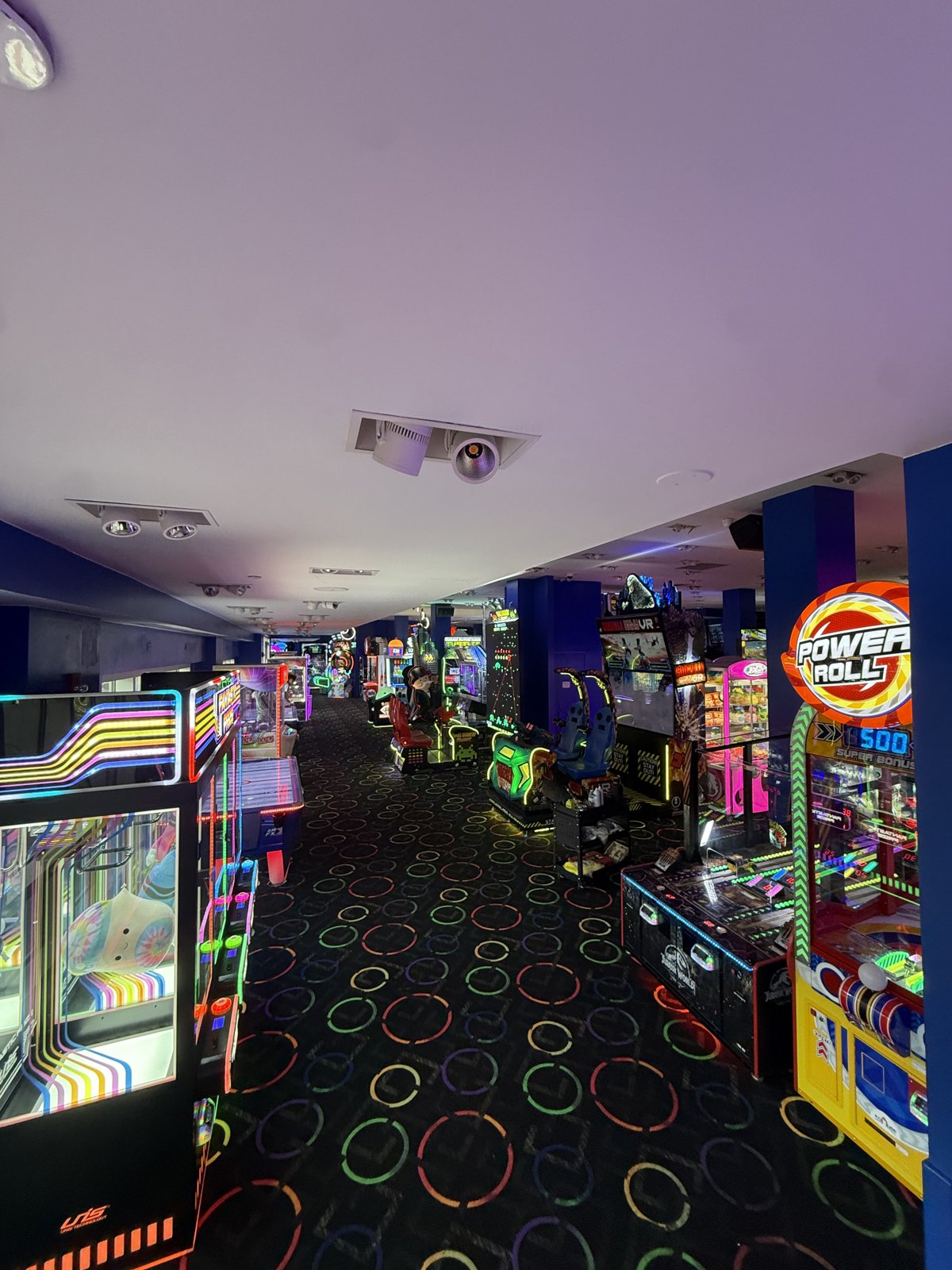
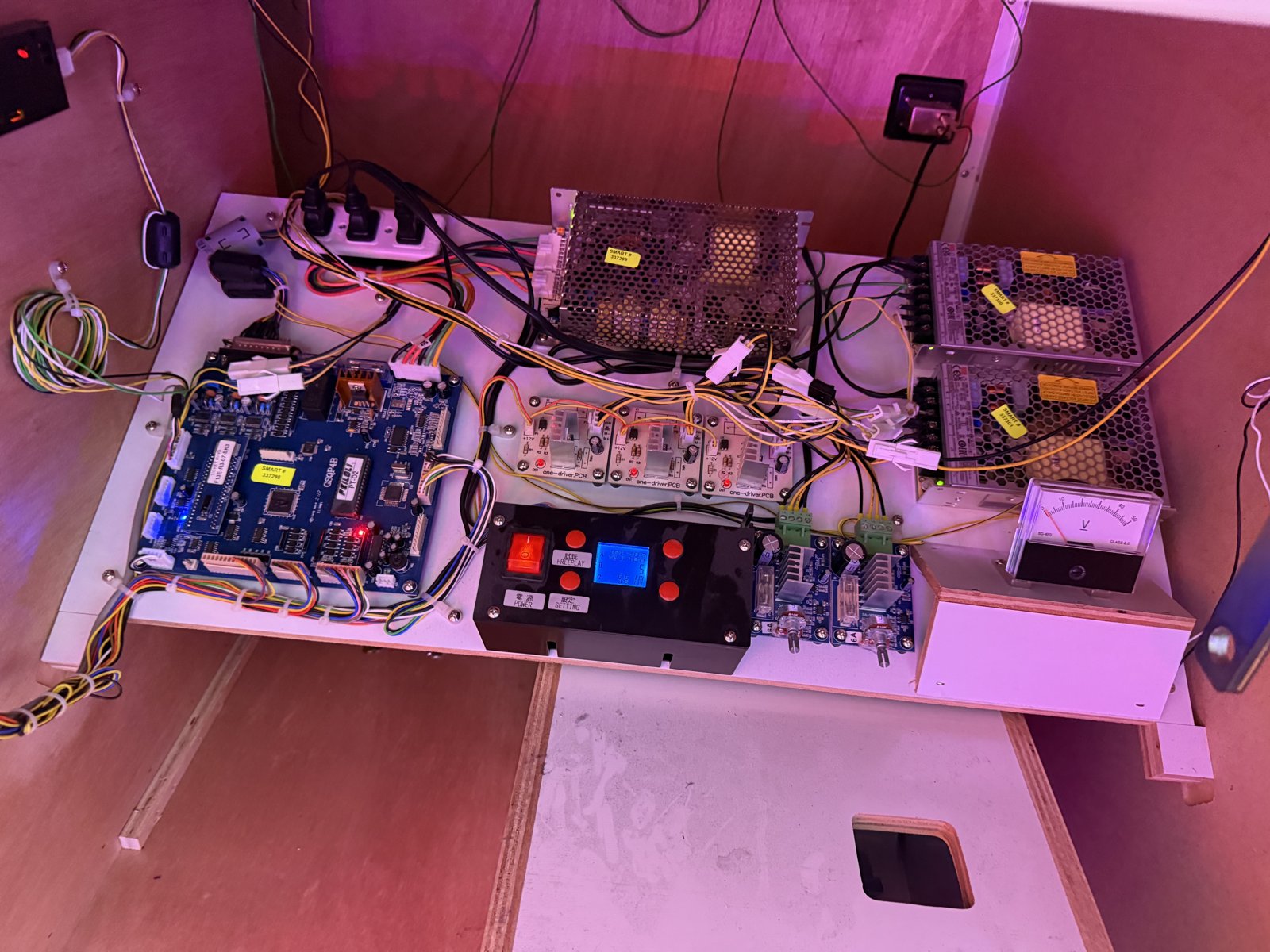
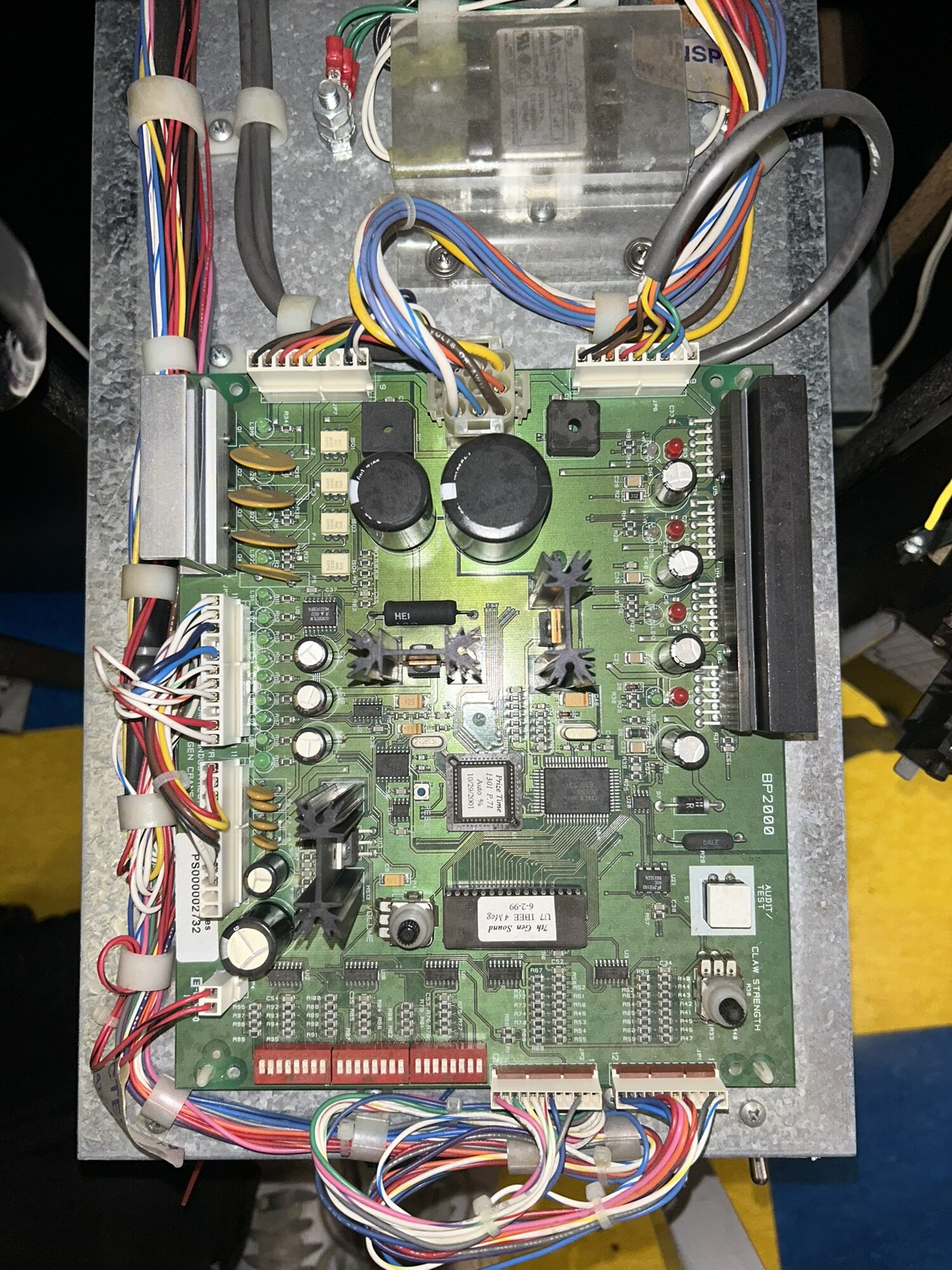
Objective: Maintain high operational uptime across a 128-machine arcade fleet with integrated electromechanical hardware.
Result: 95% sustained uptime through logic-level diagnostics and component-level PCB repair, rather than blanket part replacement.

Objective: Support store operations across asset protection, retail sales, and stock logistics in a high-traffic store.
Result: Covered loss prevention as Front Door Associate checking receipts and monitoring security cameras, sold computers and electronics by explaining the tech to customers, and kept stock moving by unloading trucks and organizing the warehouse.
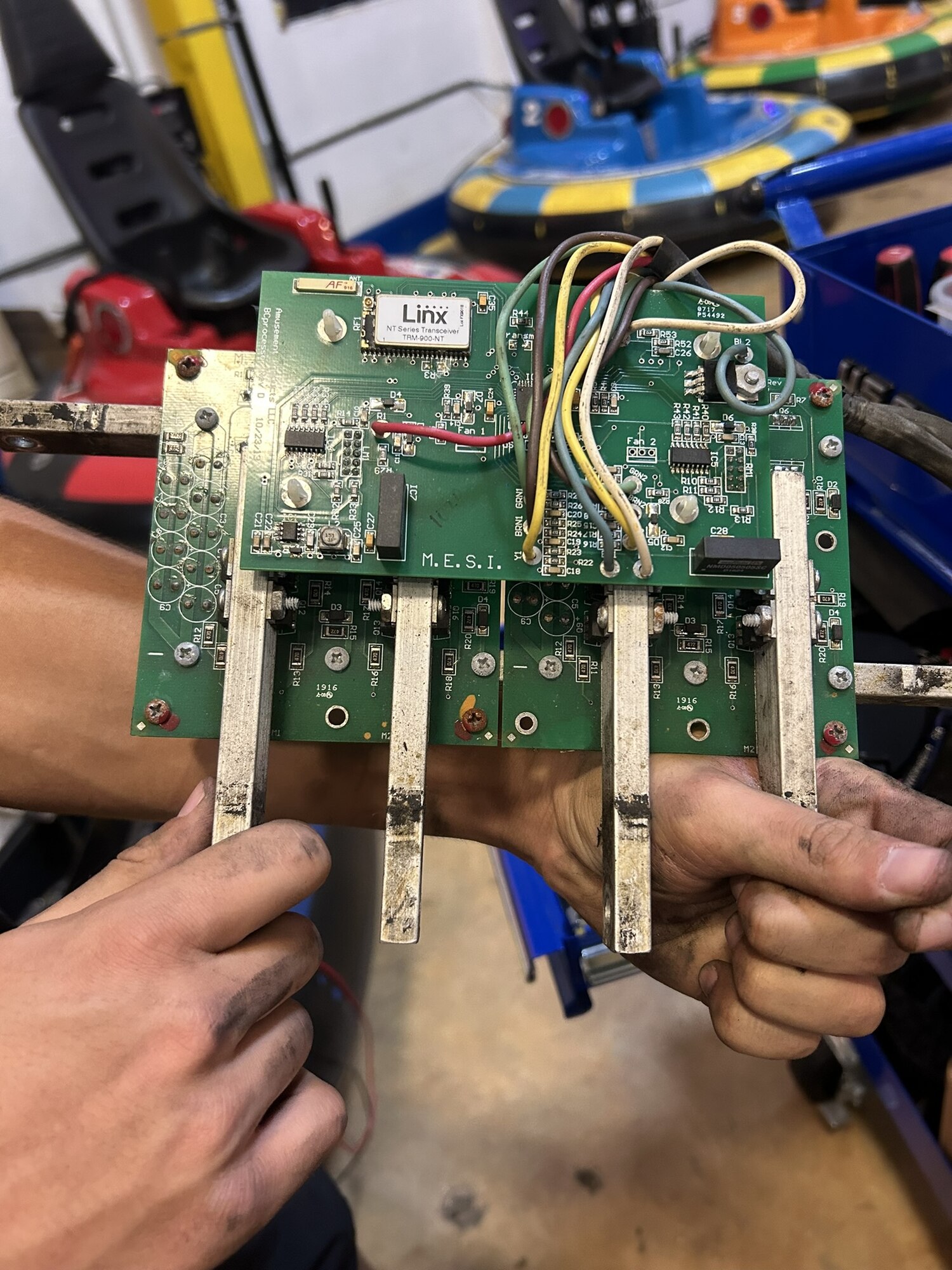
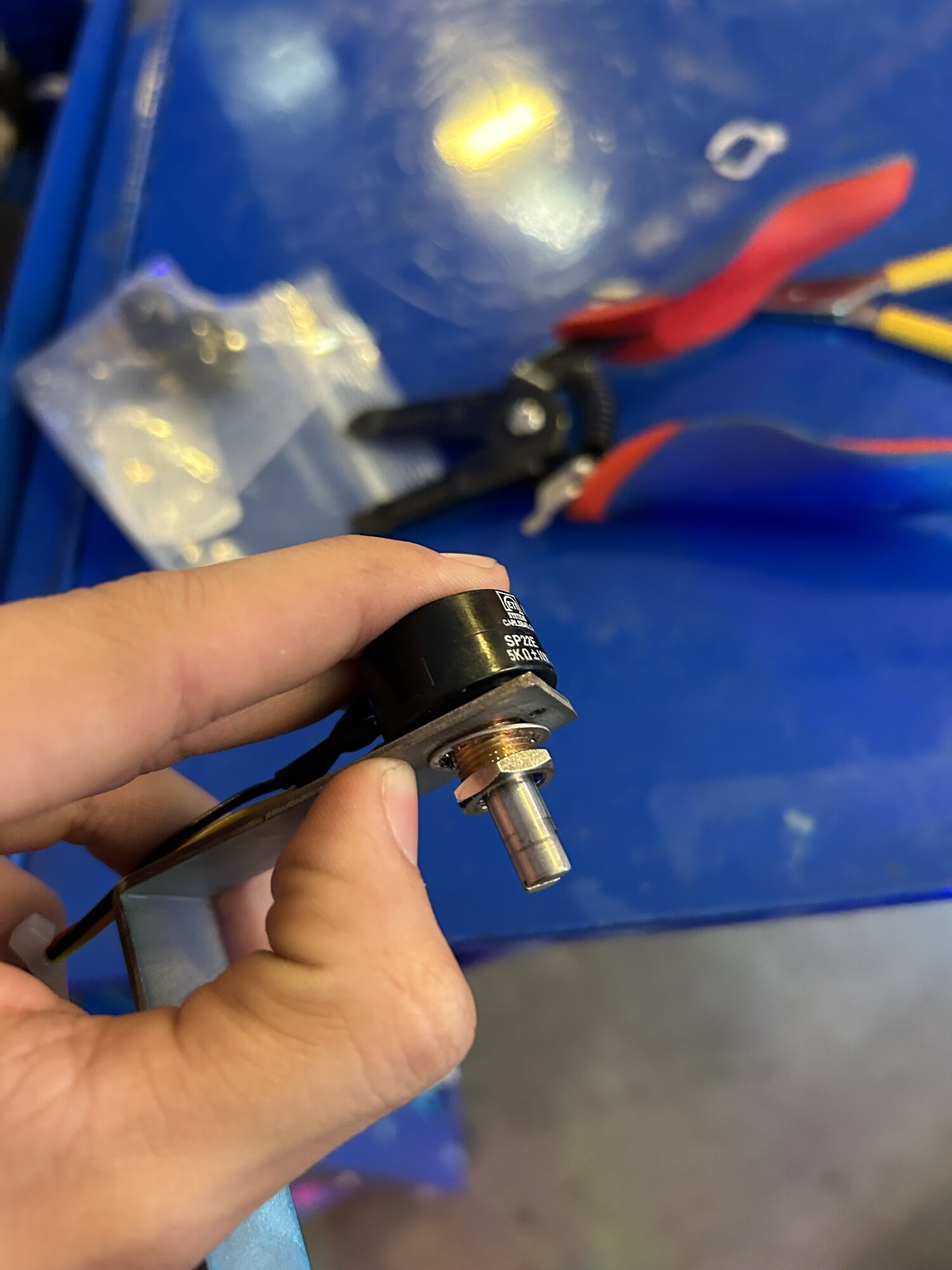
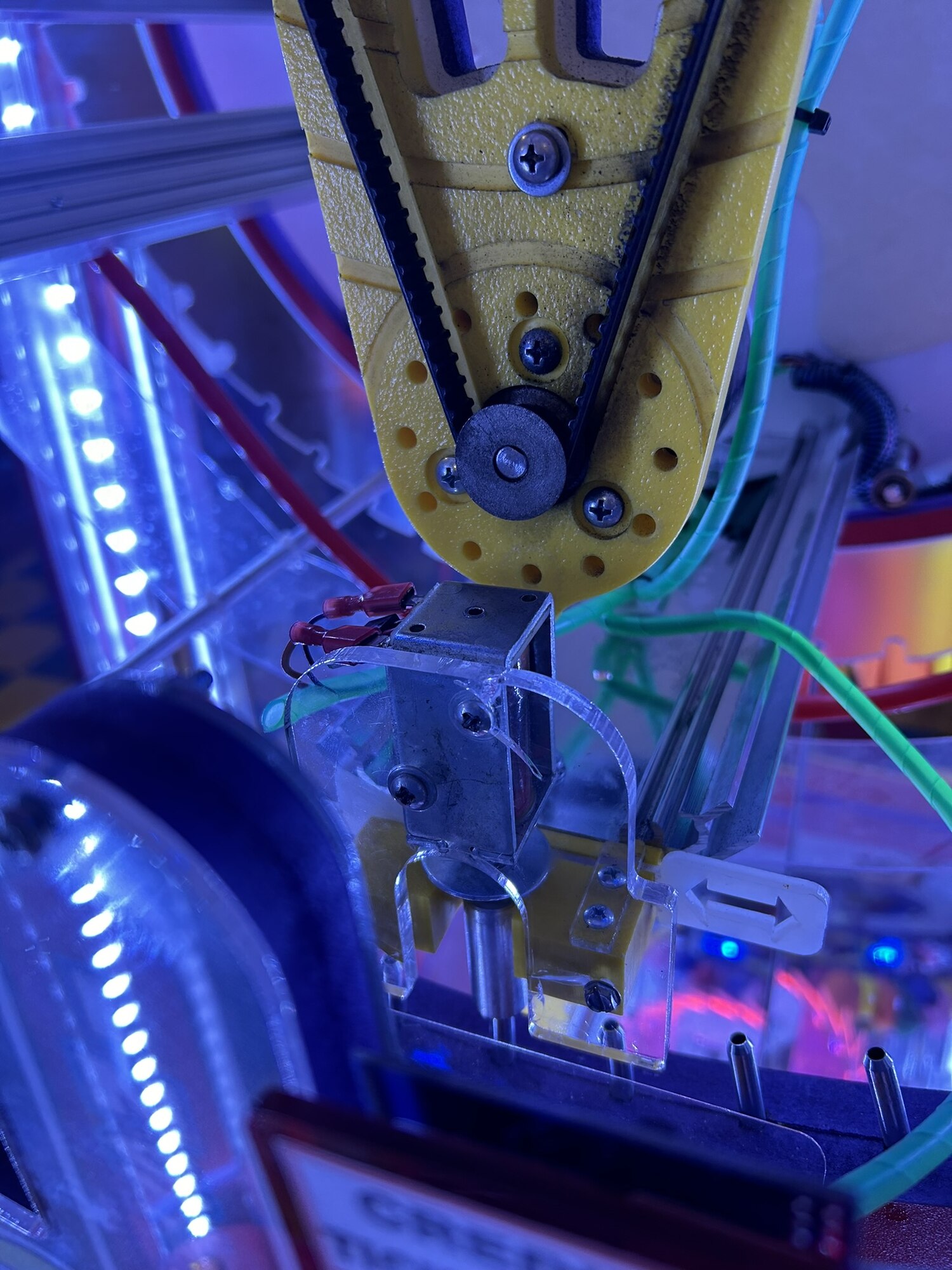
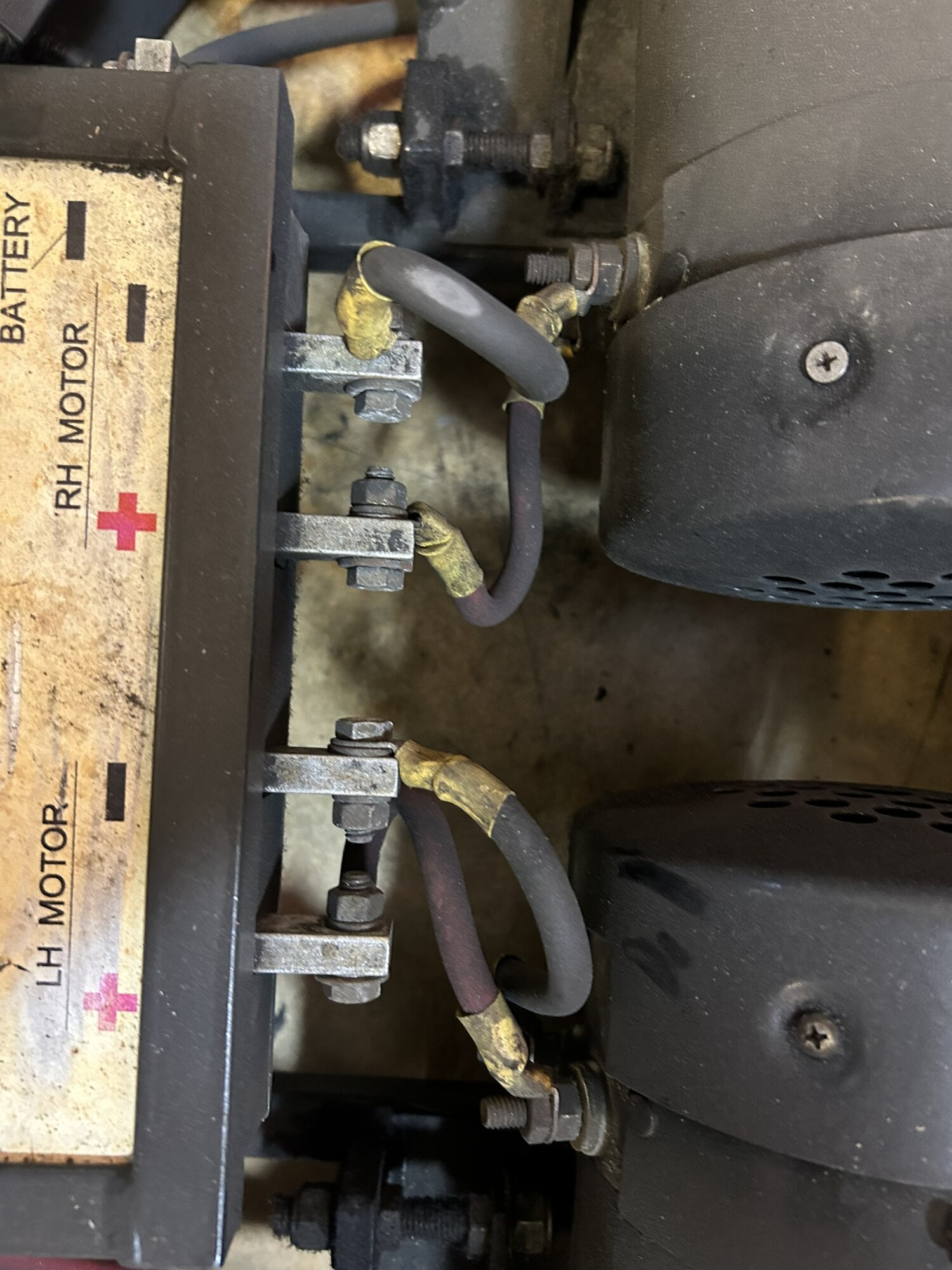
Objective: Lead a 2-person technical team responsible for all facility-wide mechanical and electrical equipment at an indoor sports venue.
Result: Kept the facility running — diagnosed and fixed equipment fast, tightened up maintenance scheduling, and reorganized the floor plan to work better for guests.
Projects
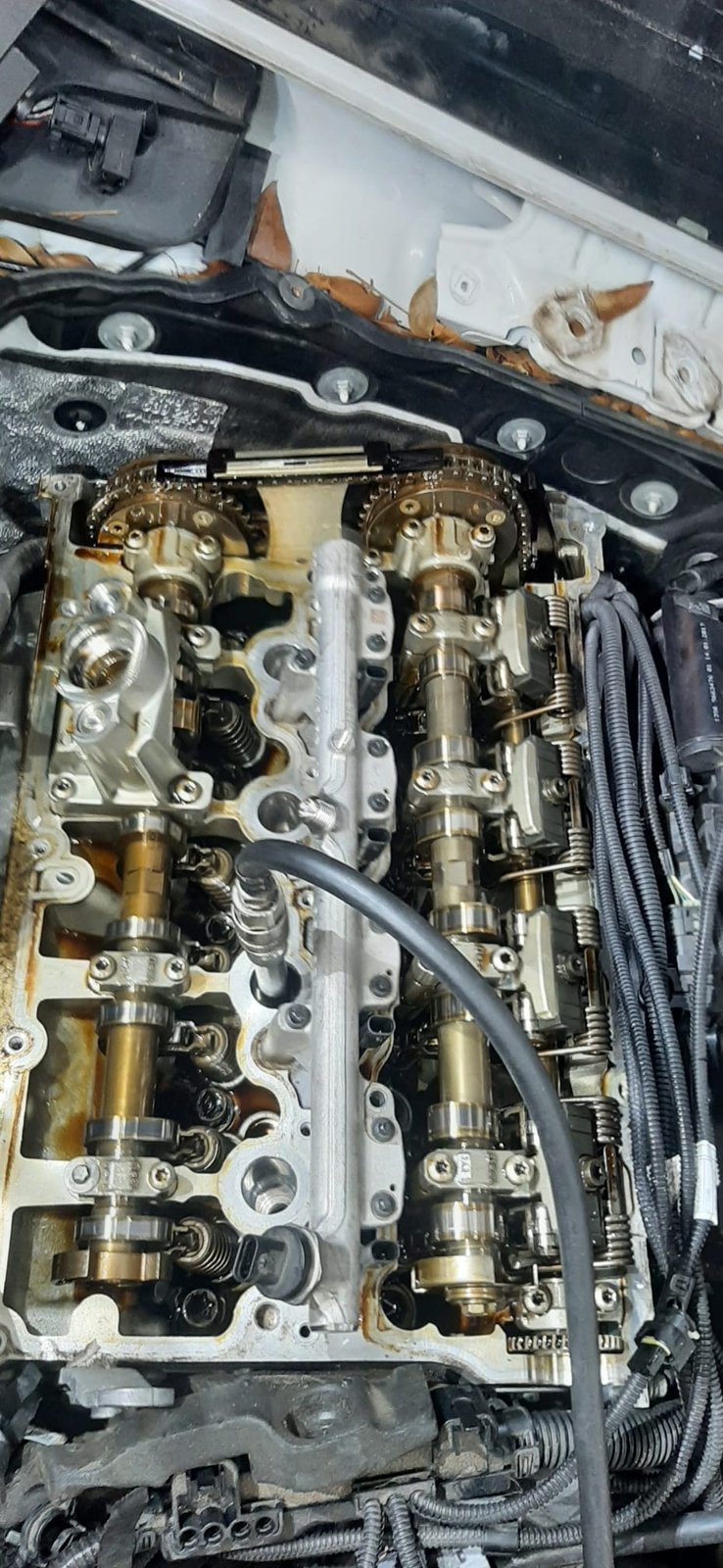
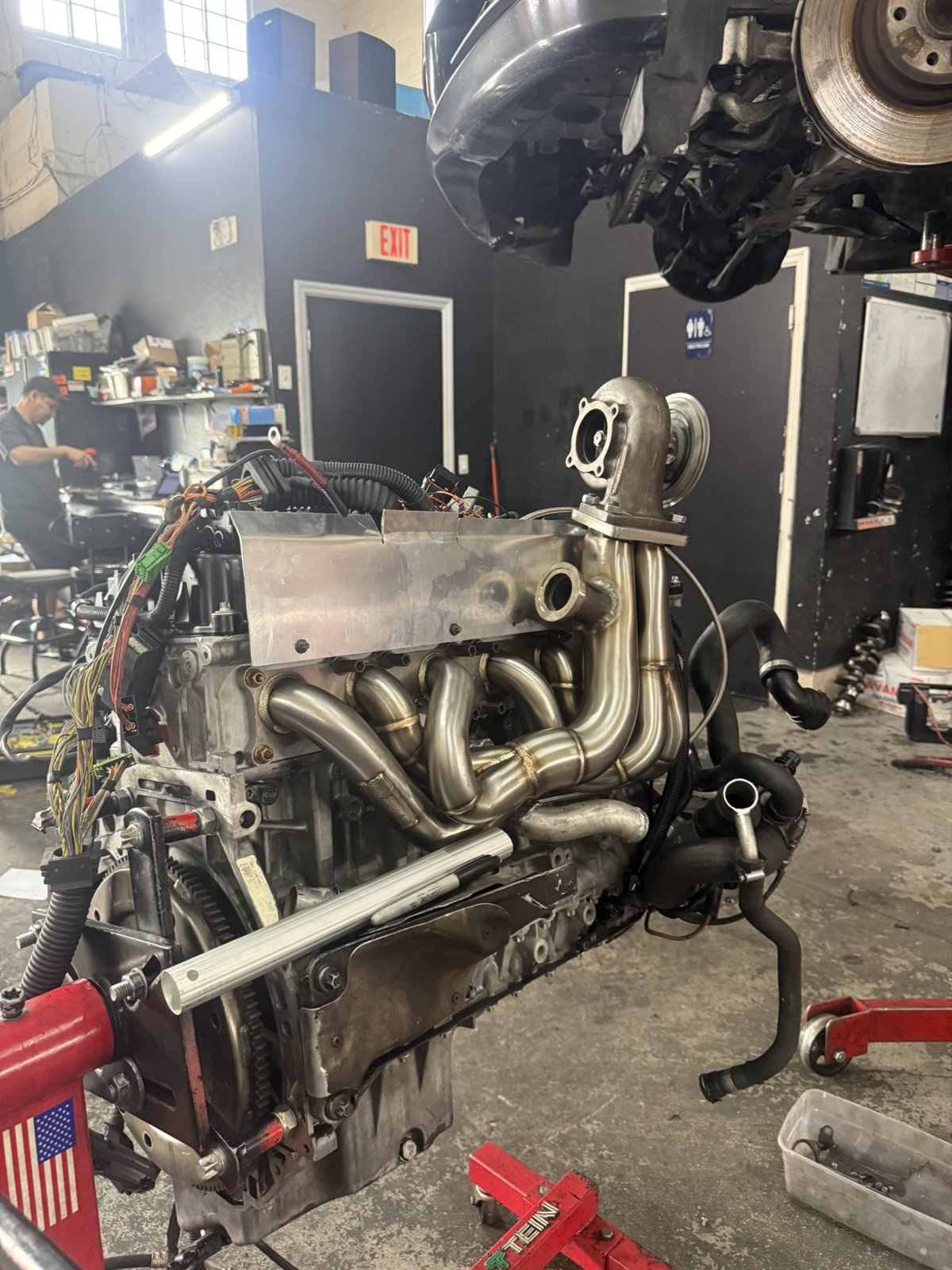
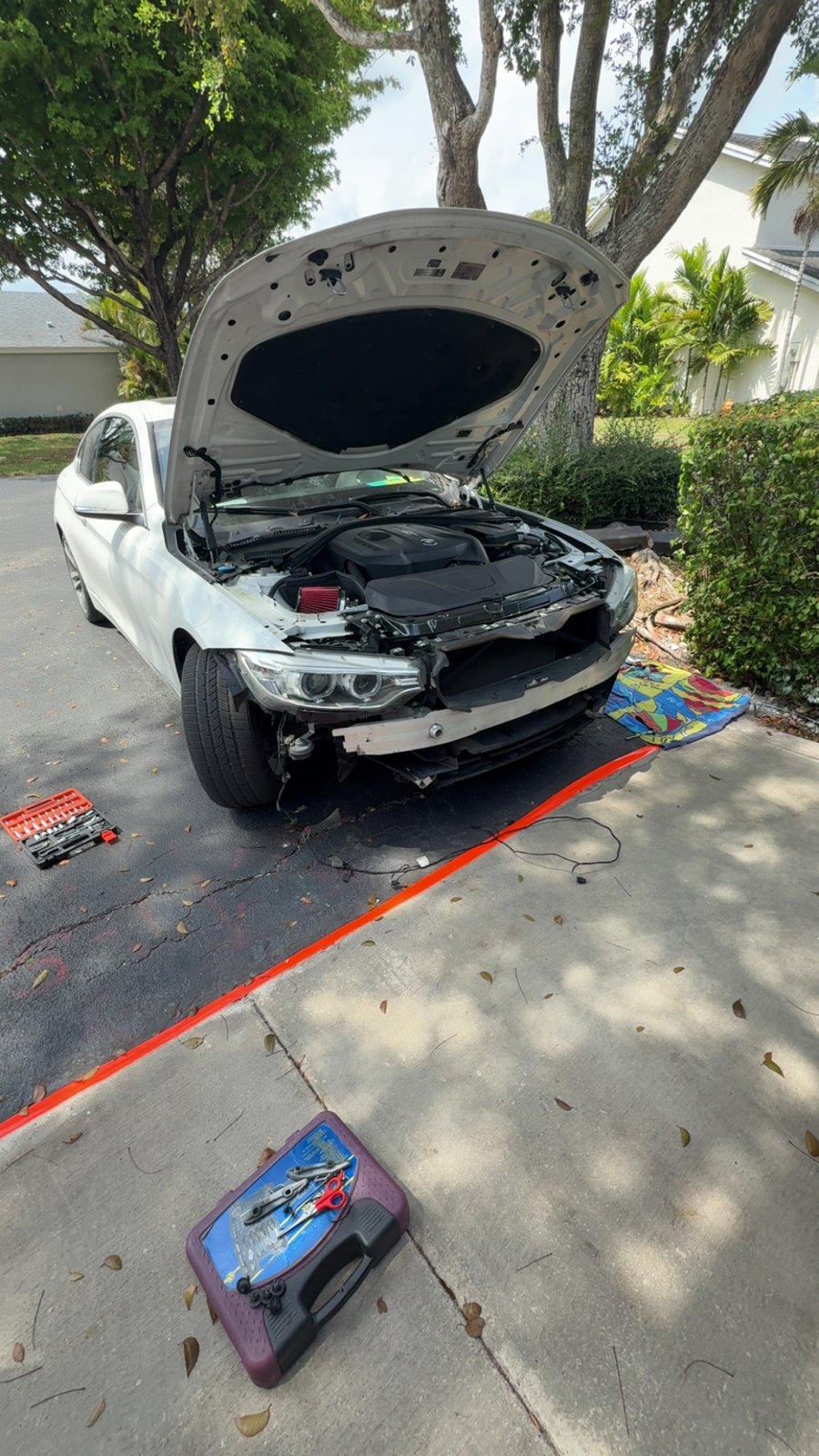
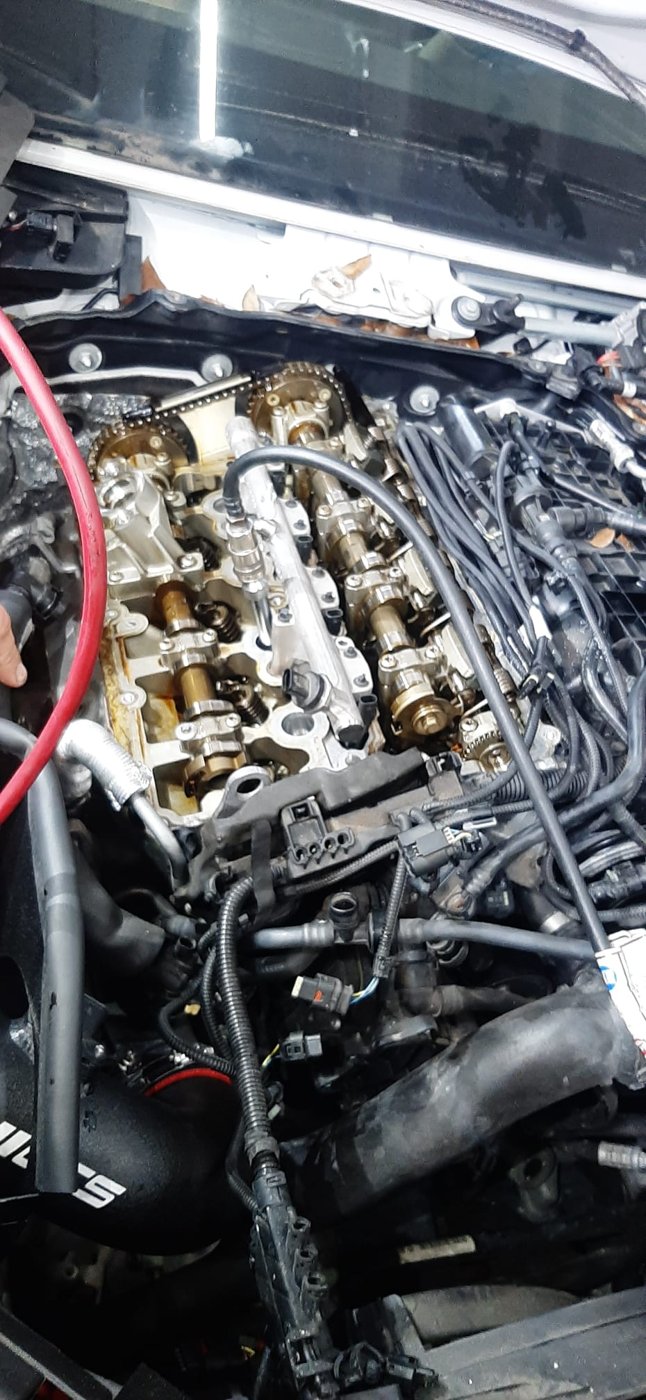
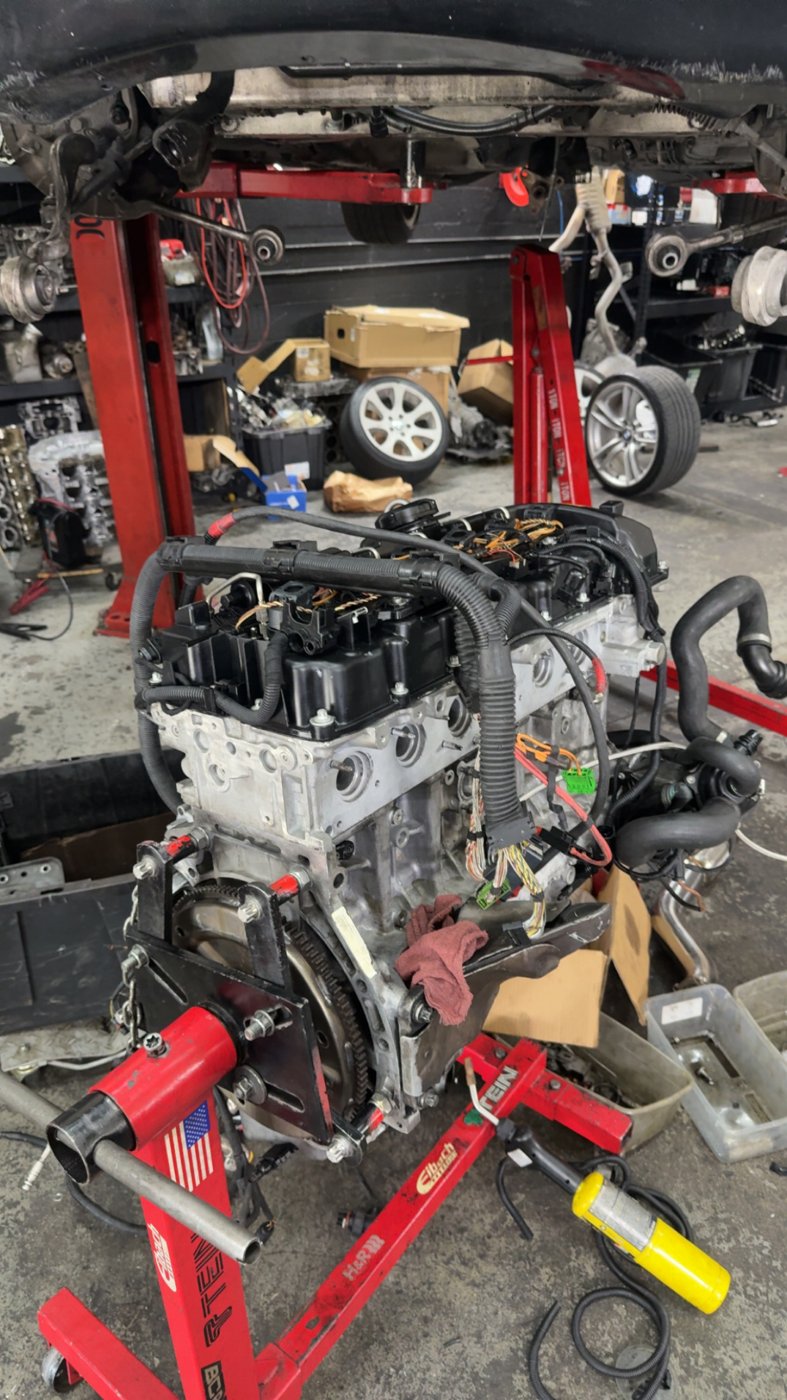
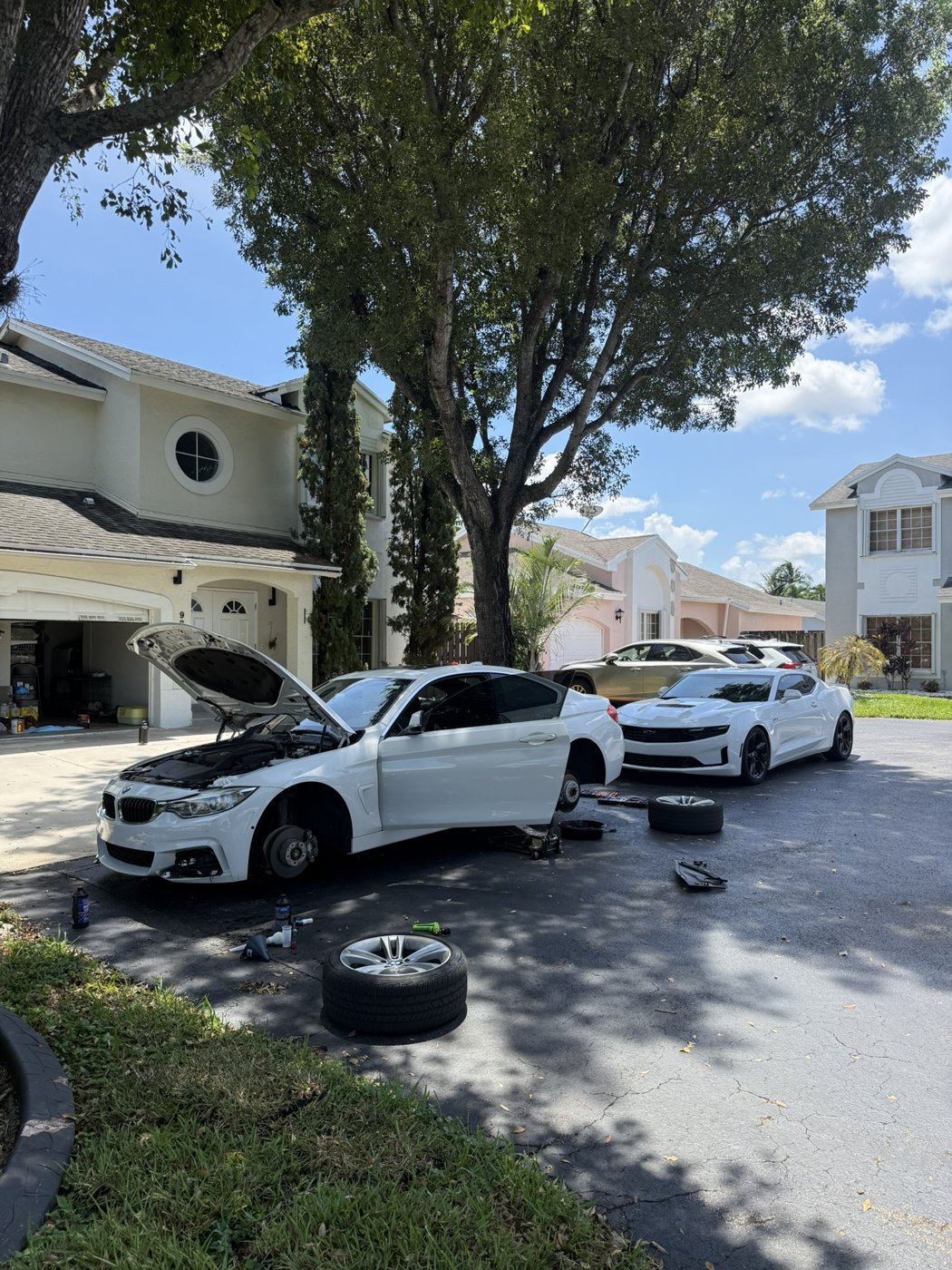
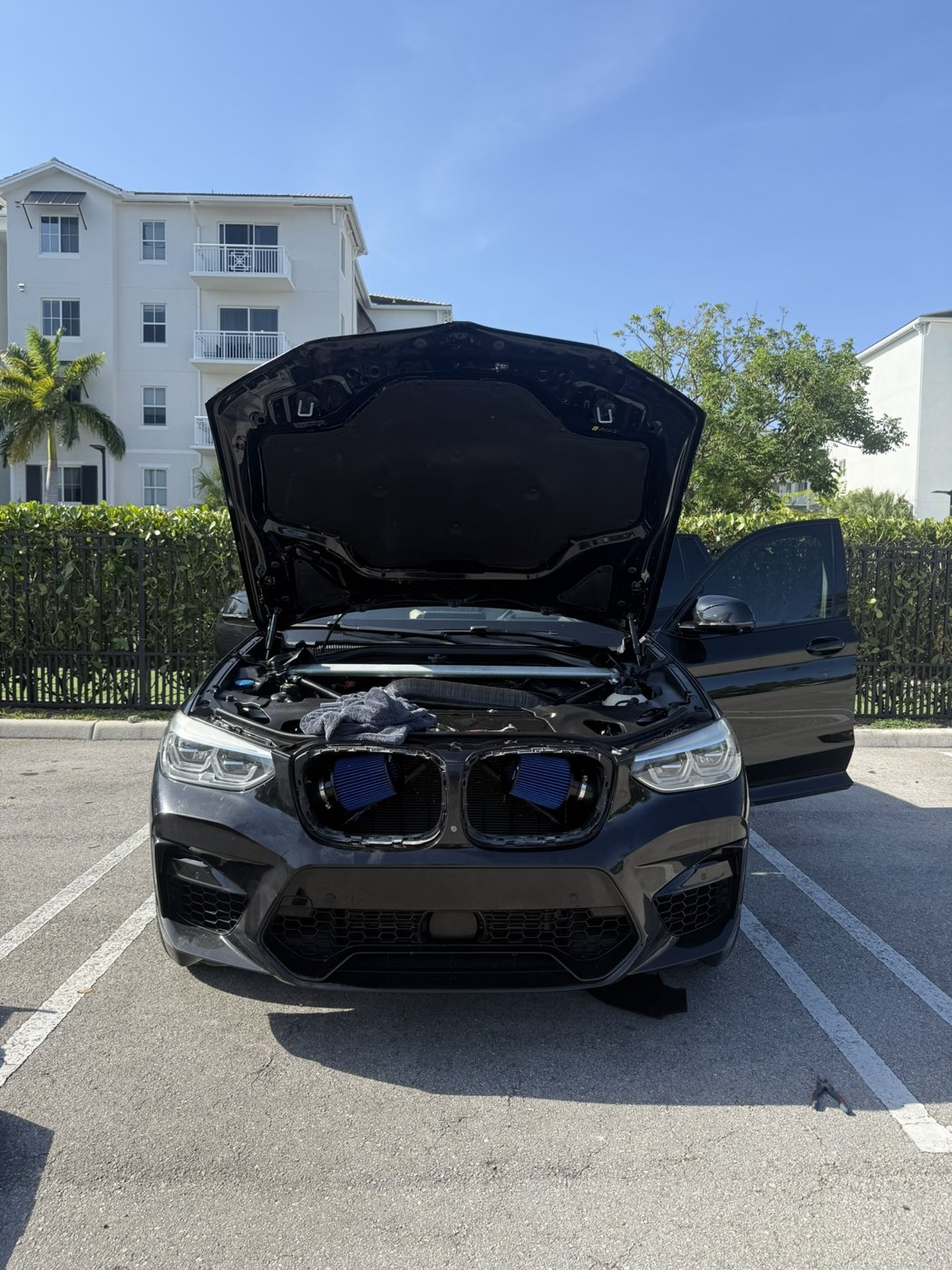
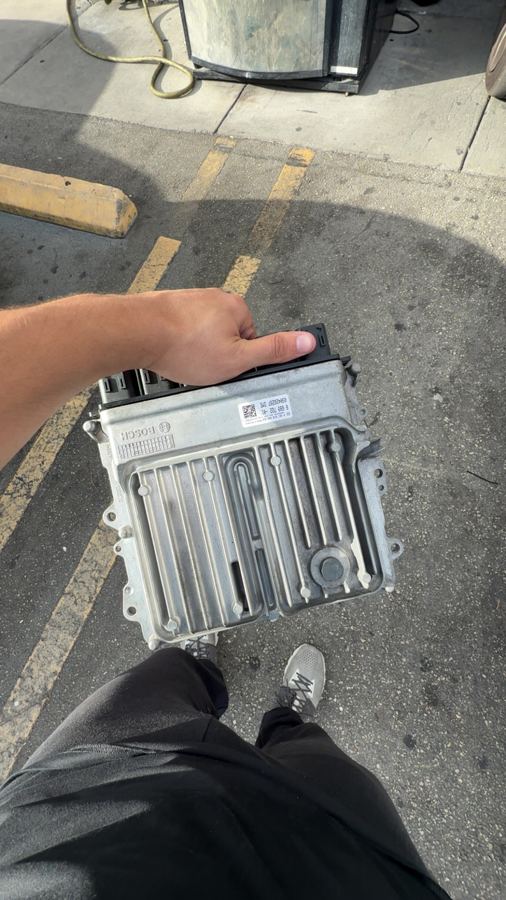
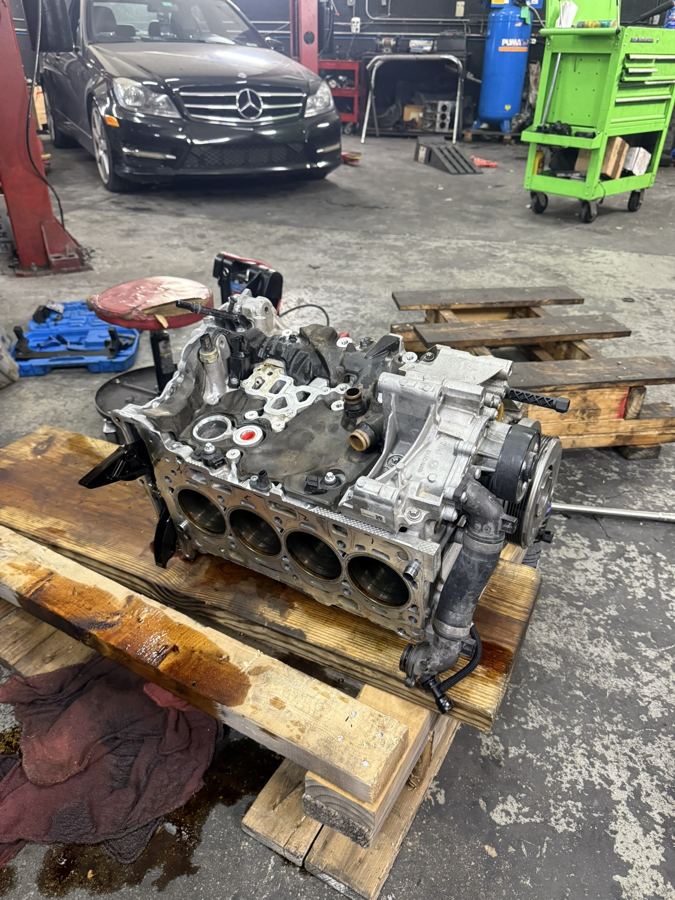
Objective: Handle my own automotive repairs and performance modifications, including tuning, rather than outsourcing them.
Result: Hands-on experience across mechanical repair, part upgrades, and tuning work, applied directly to my own vehicle.
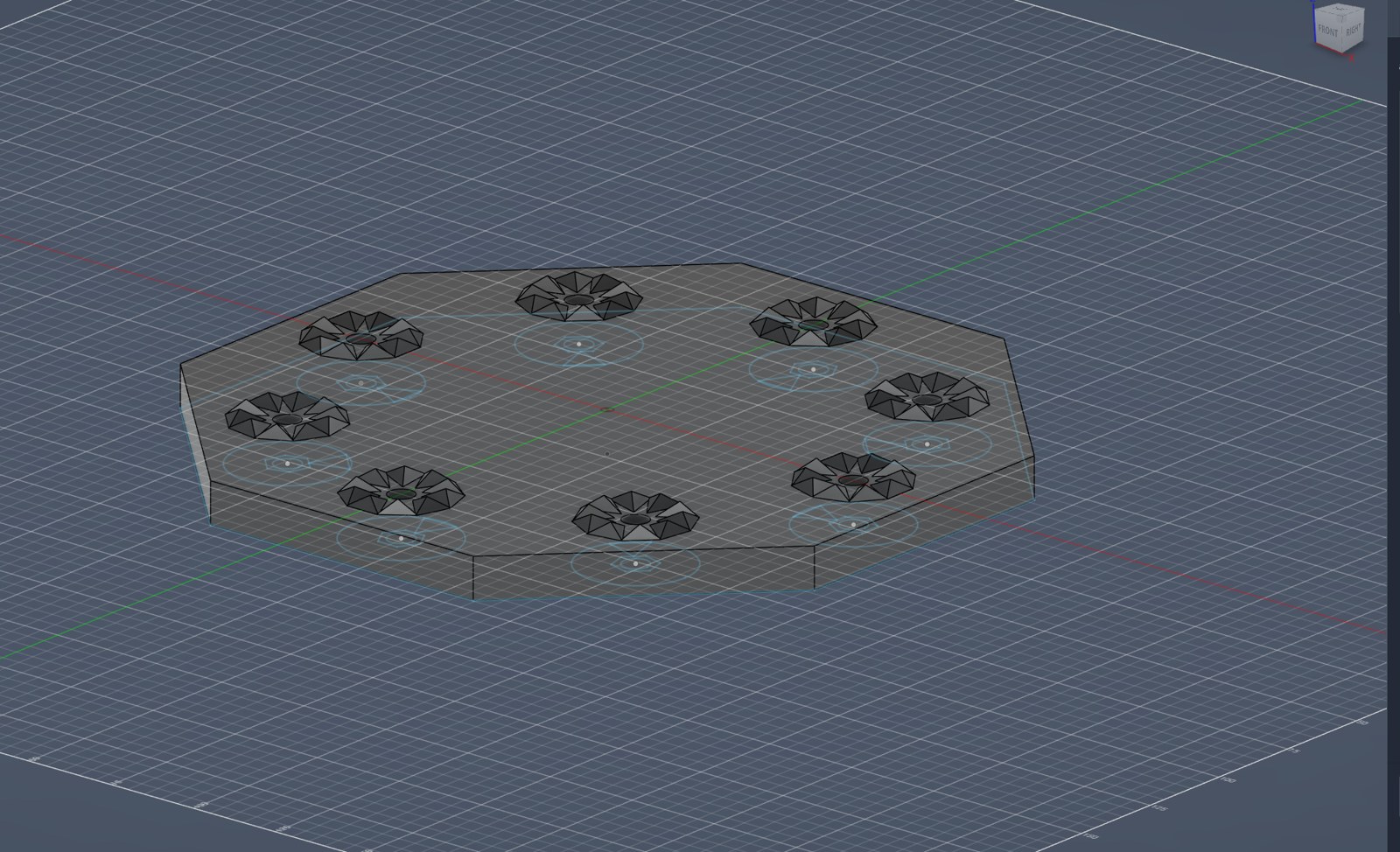
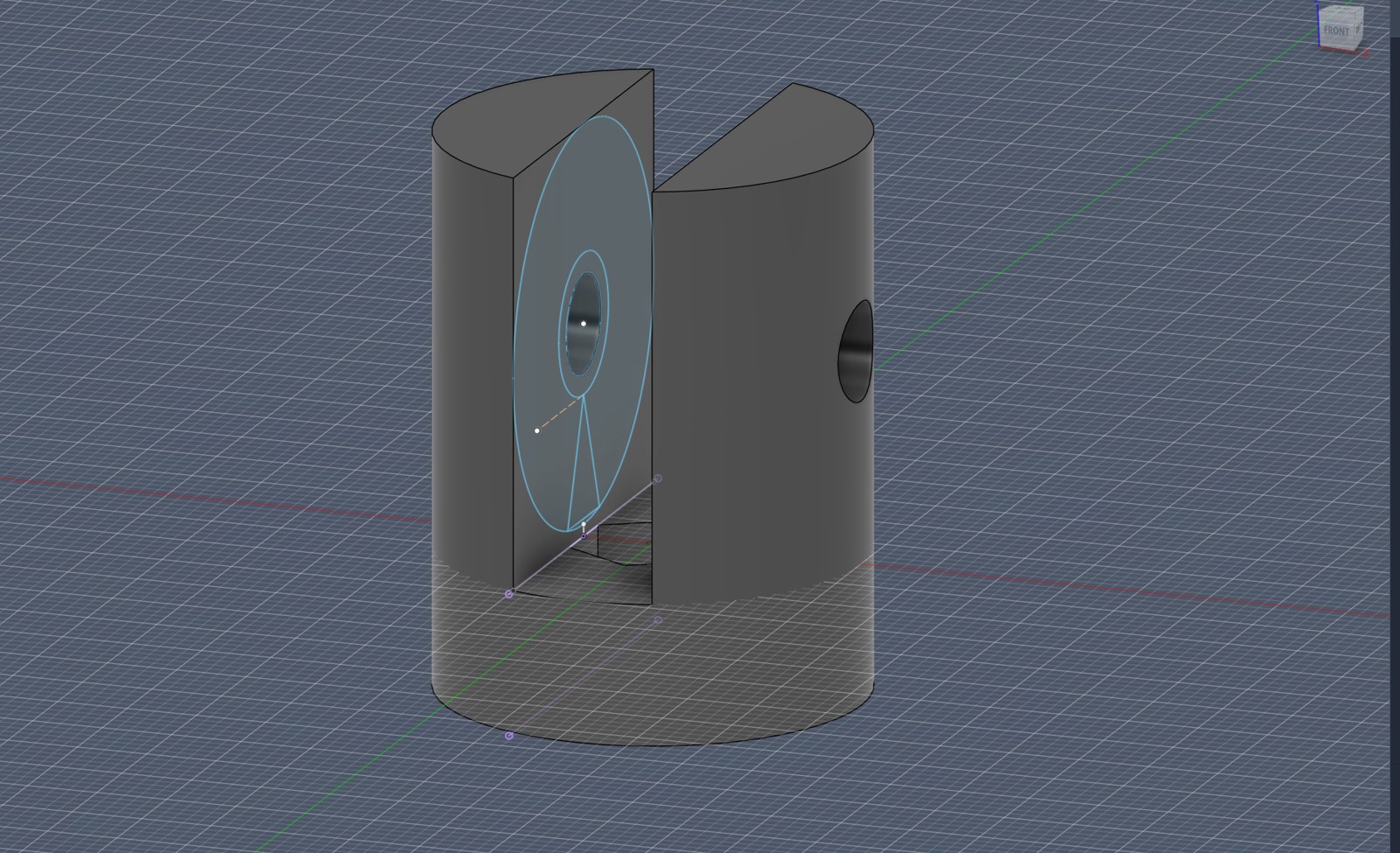
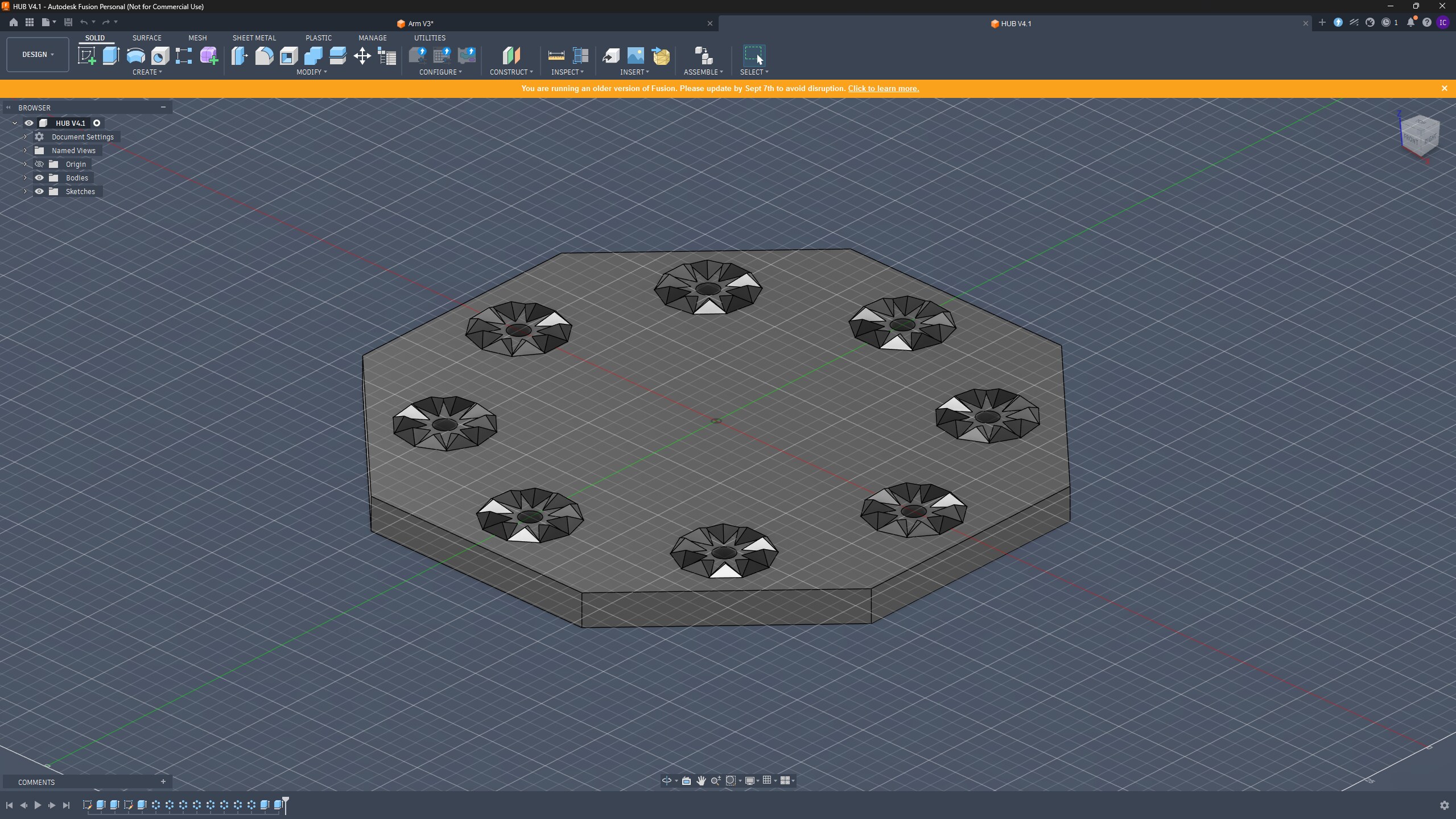
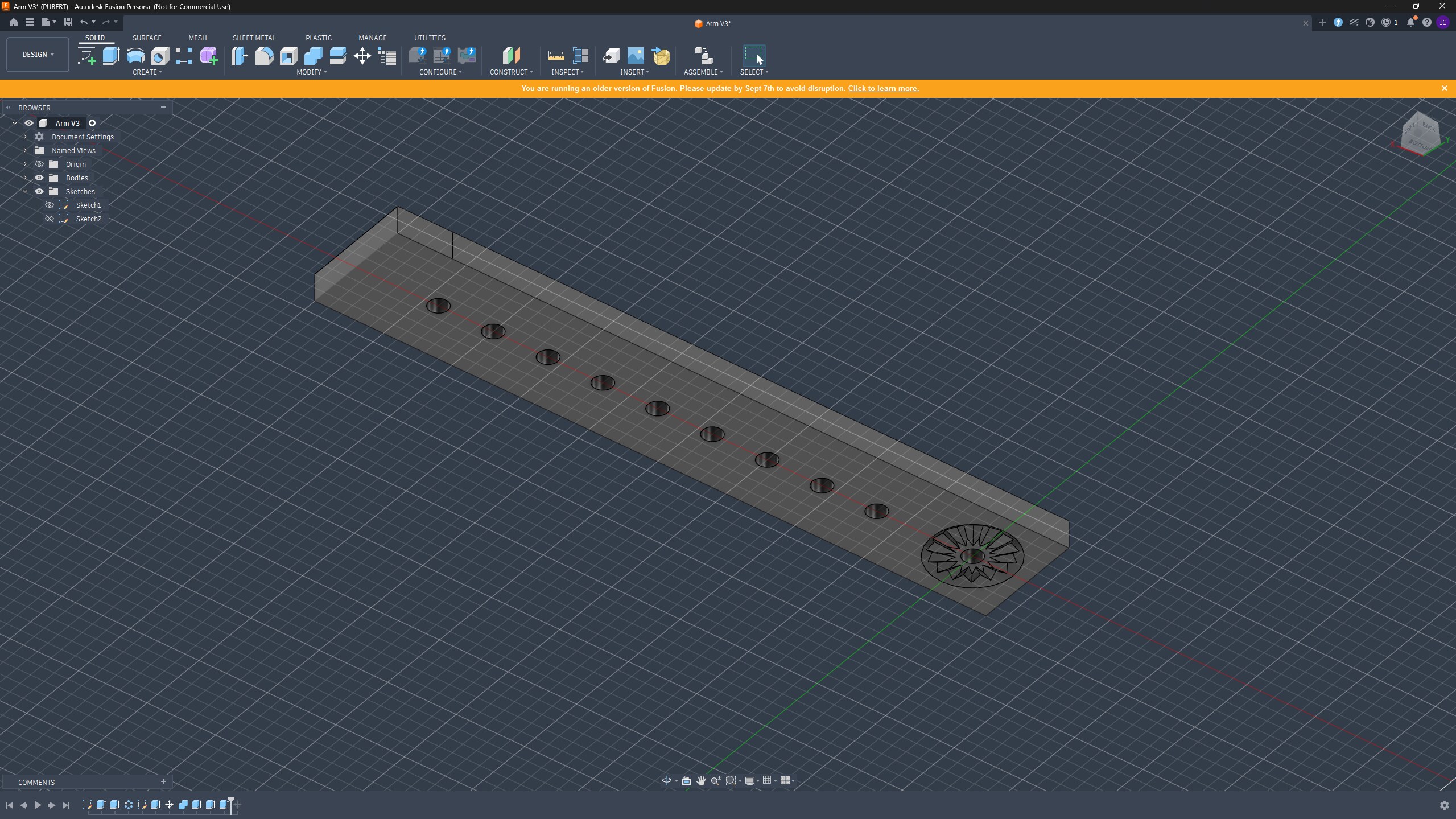
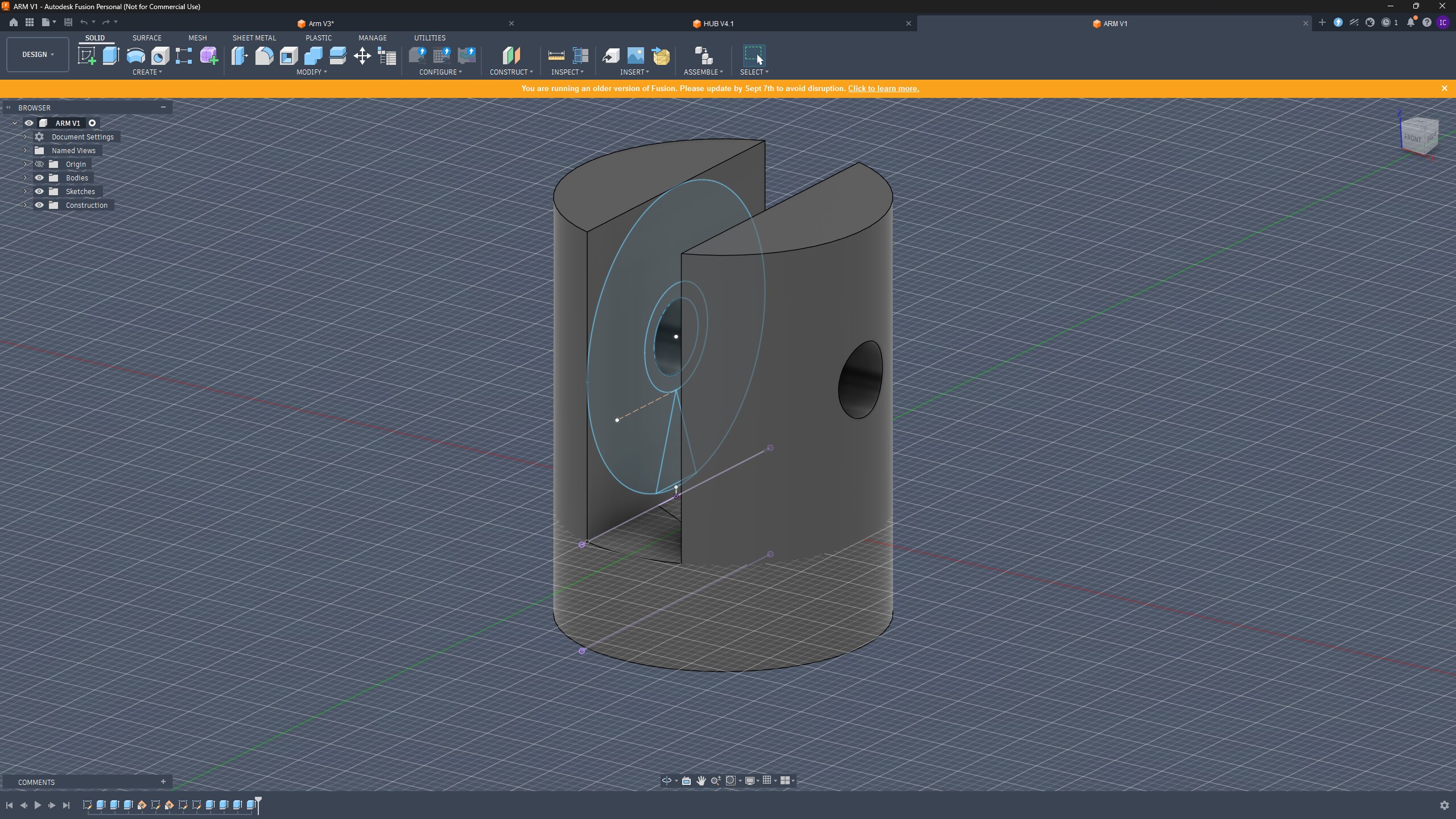
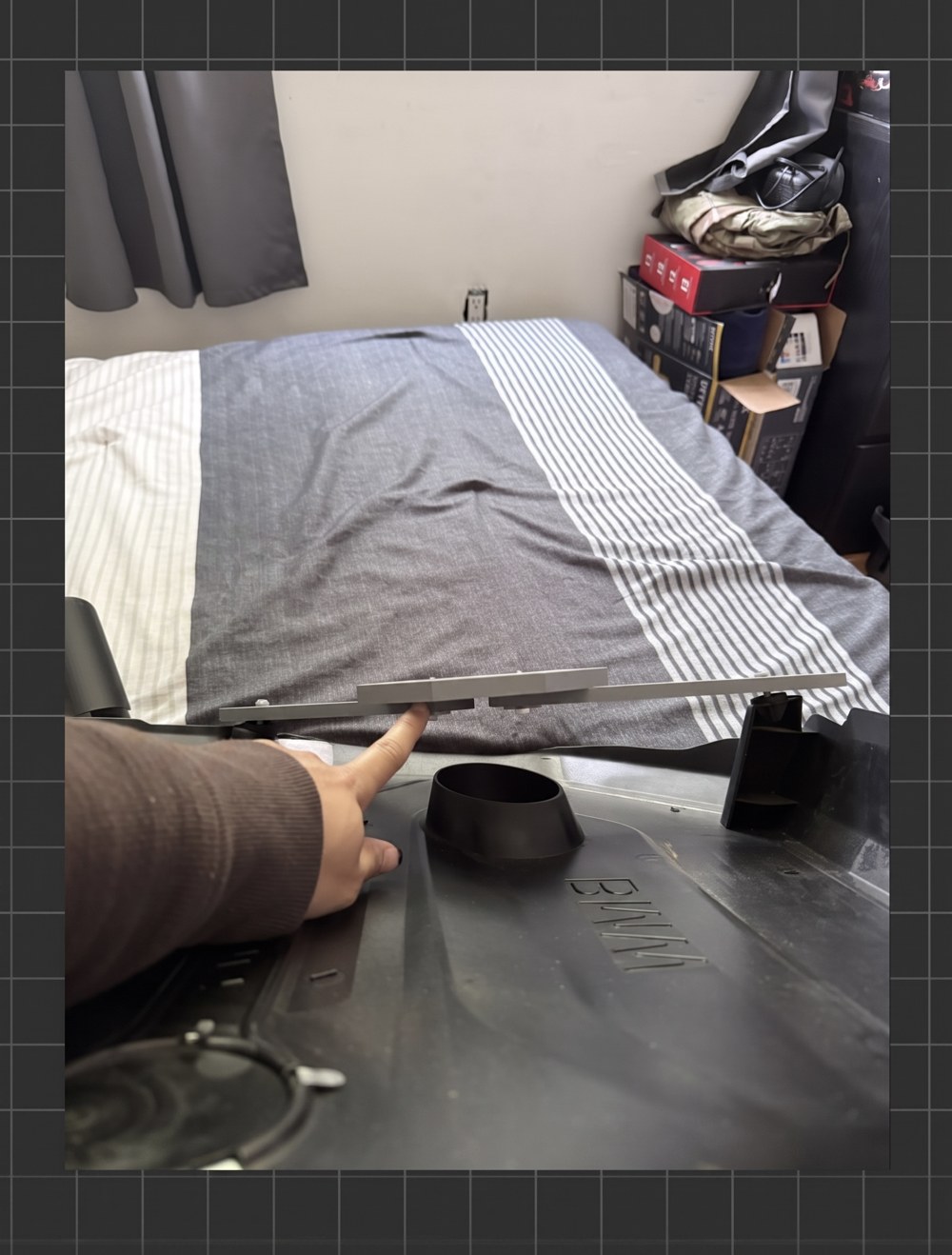
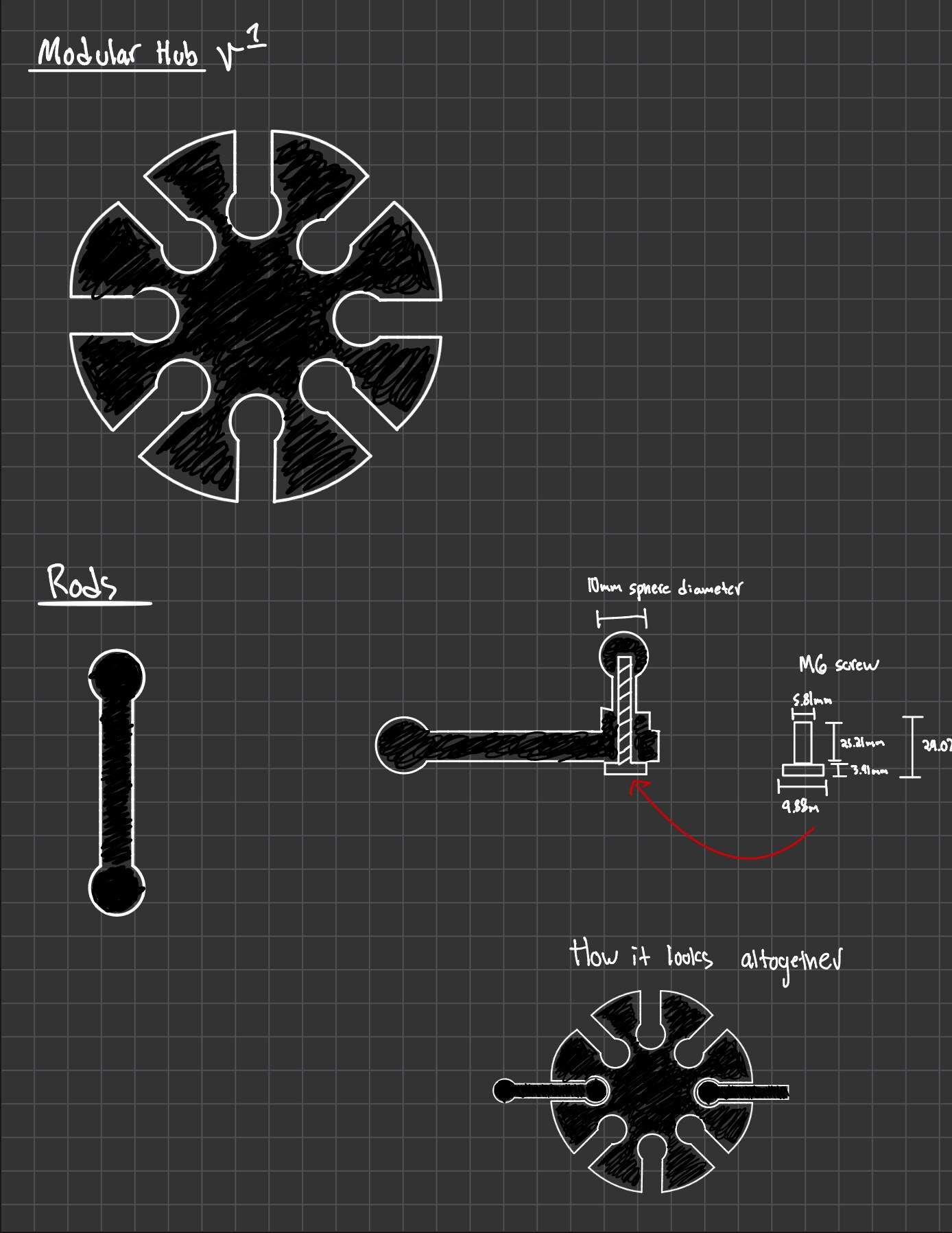
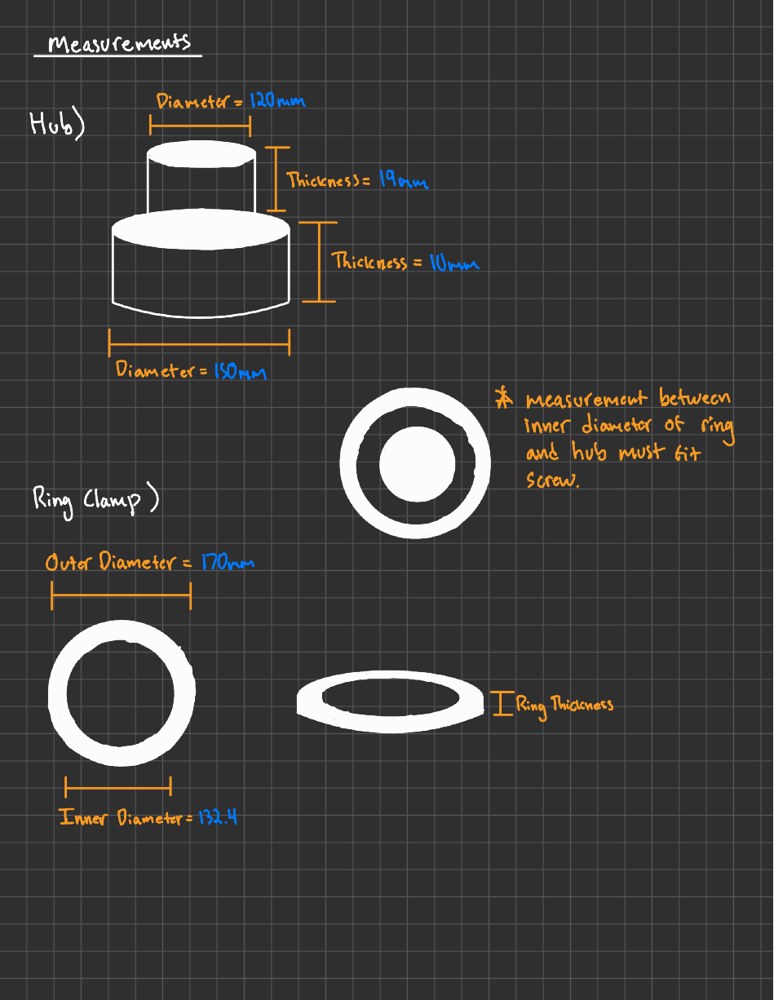
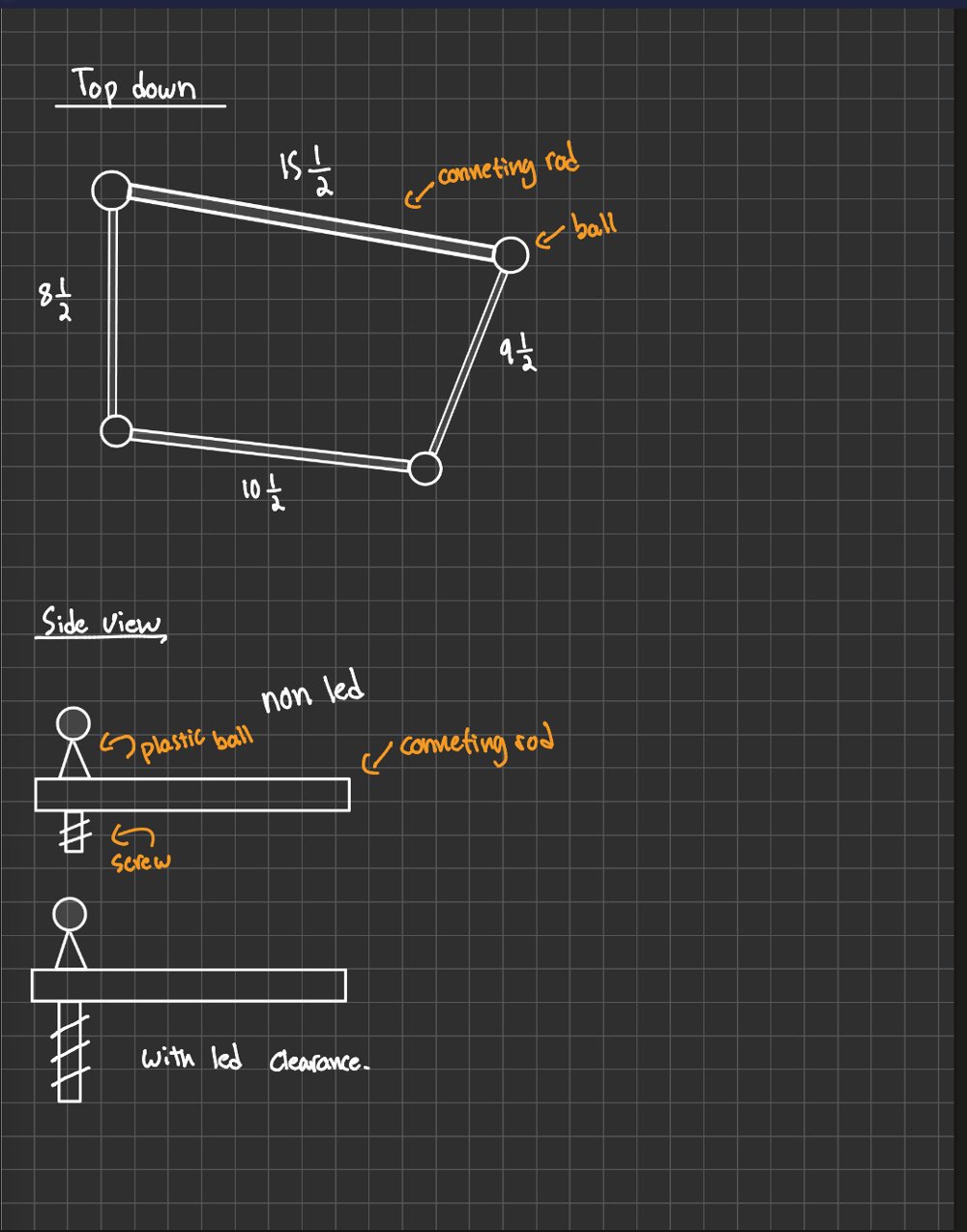
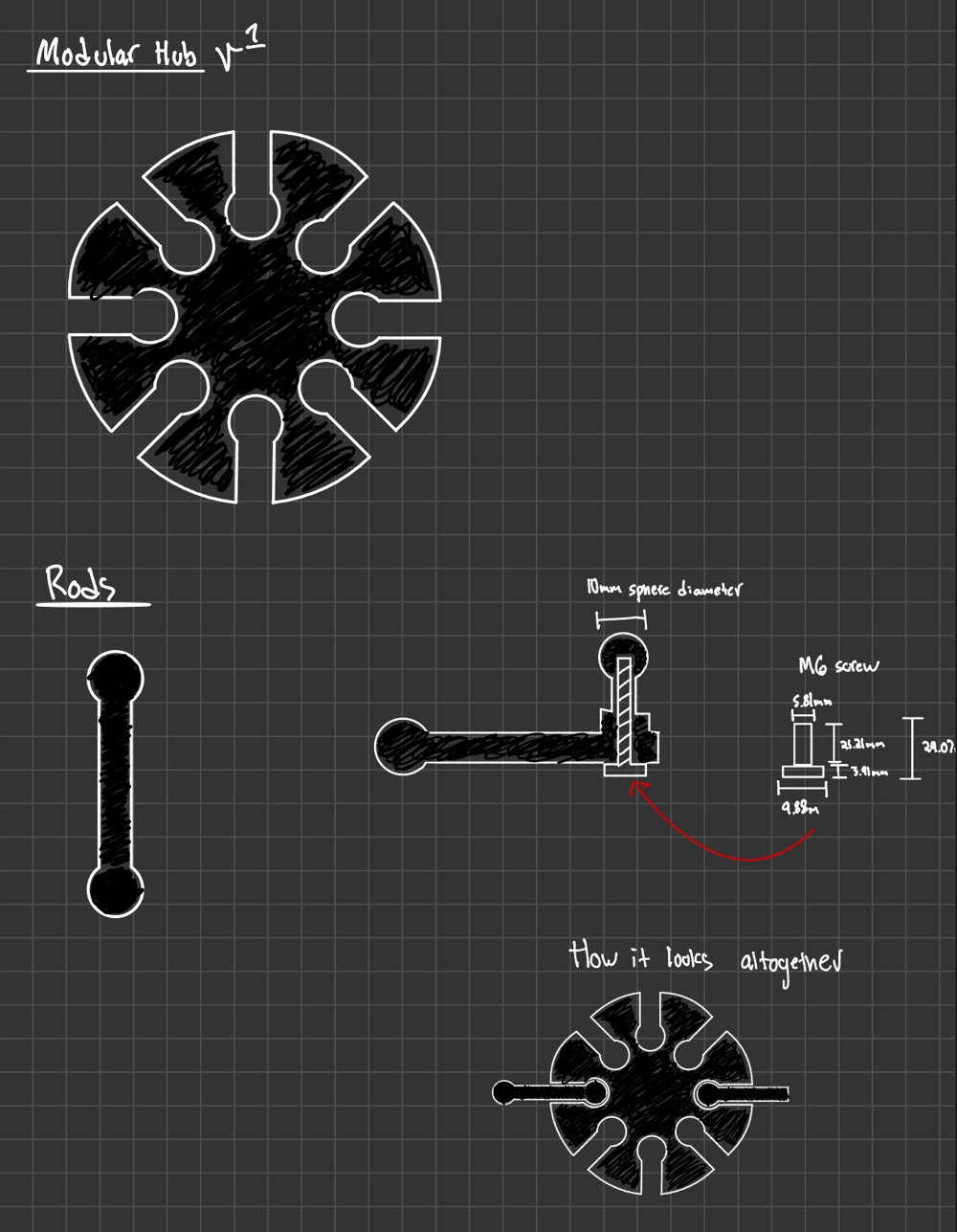
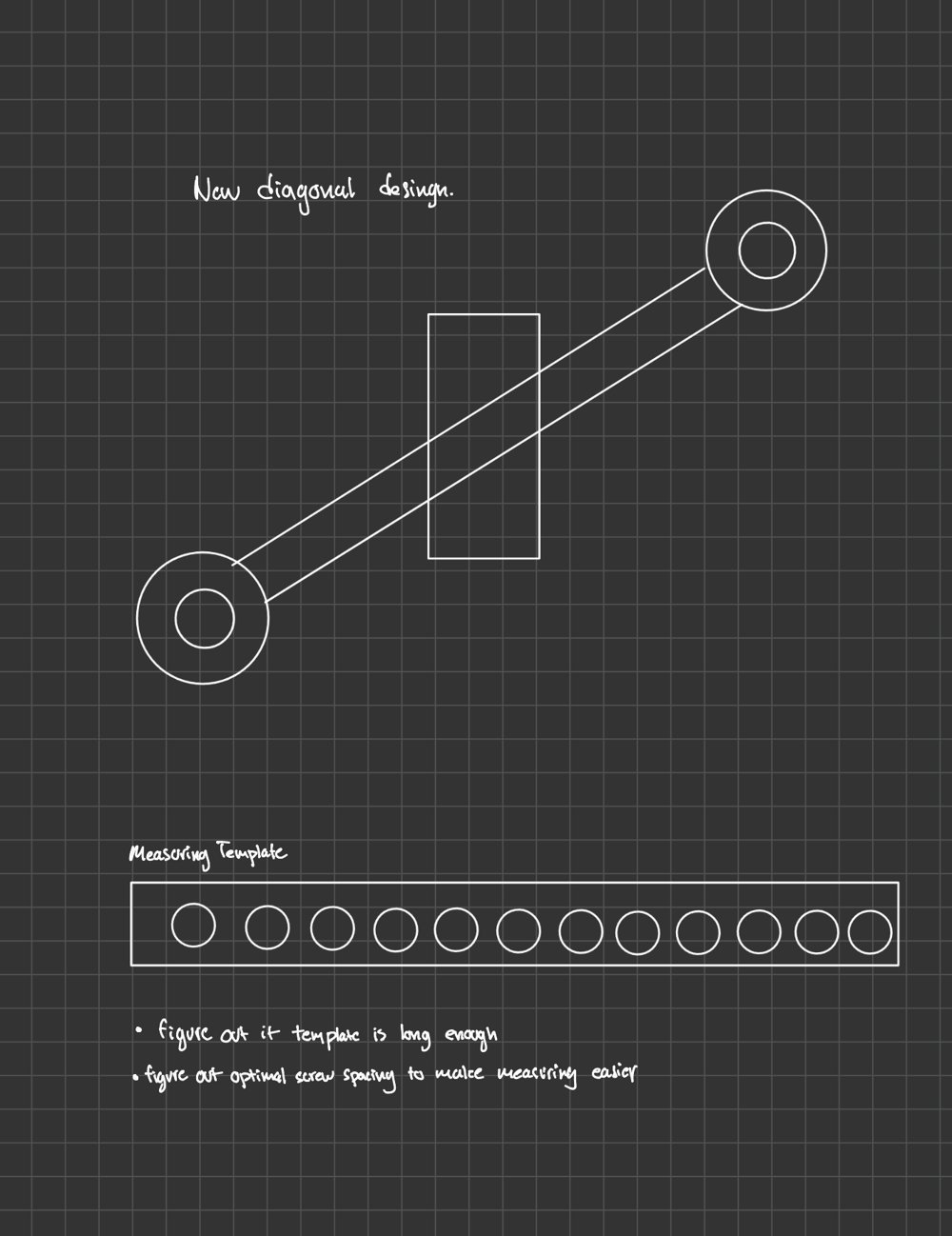
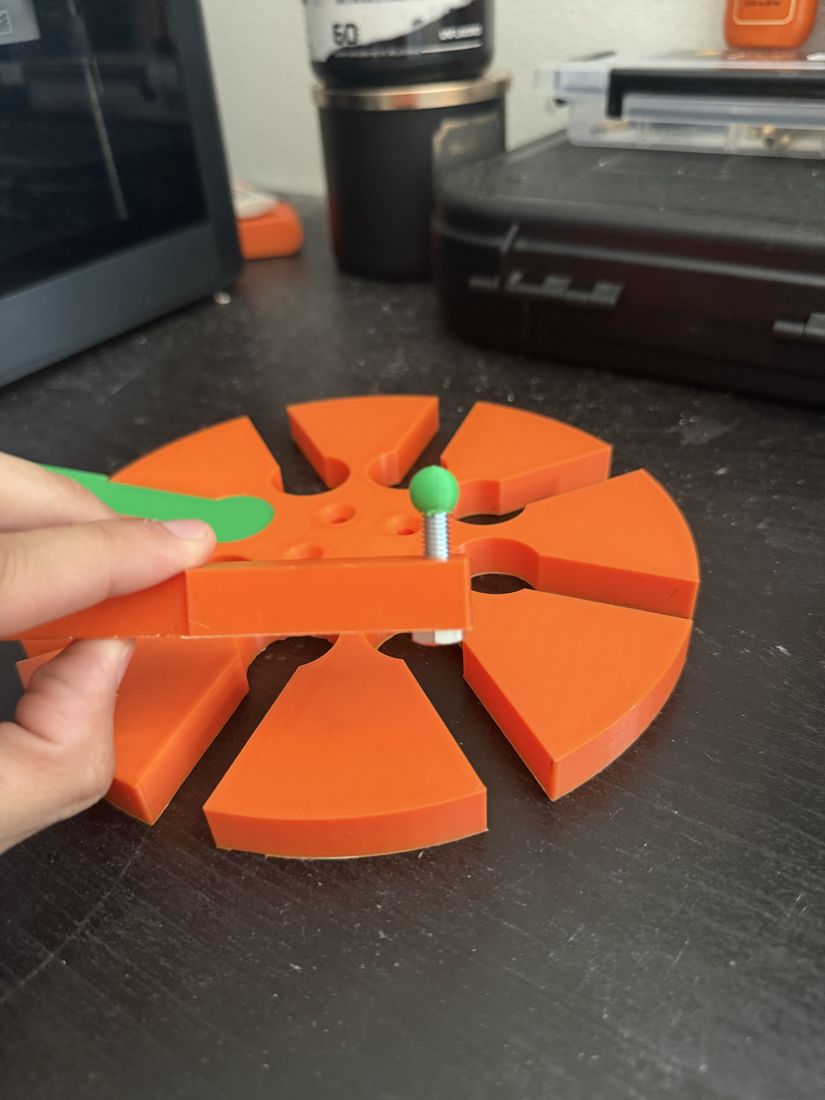
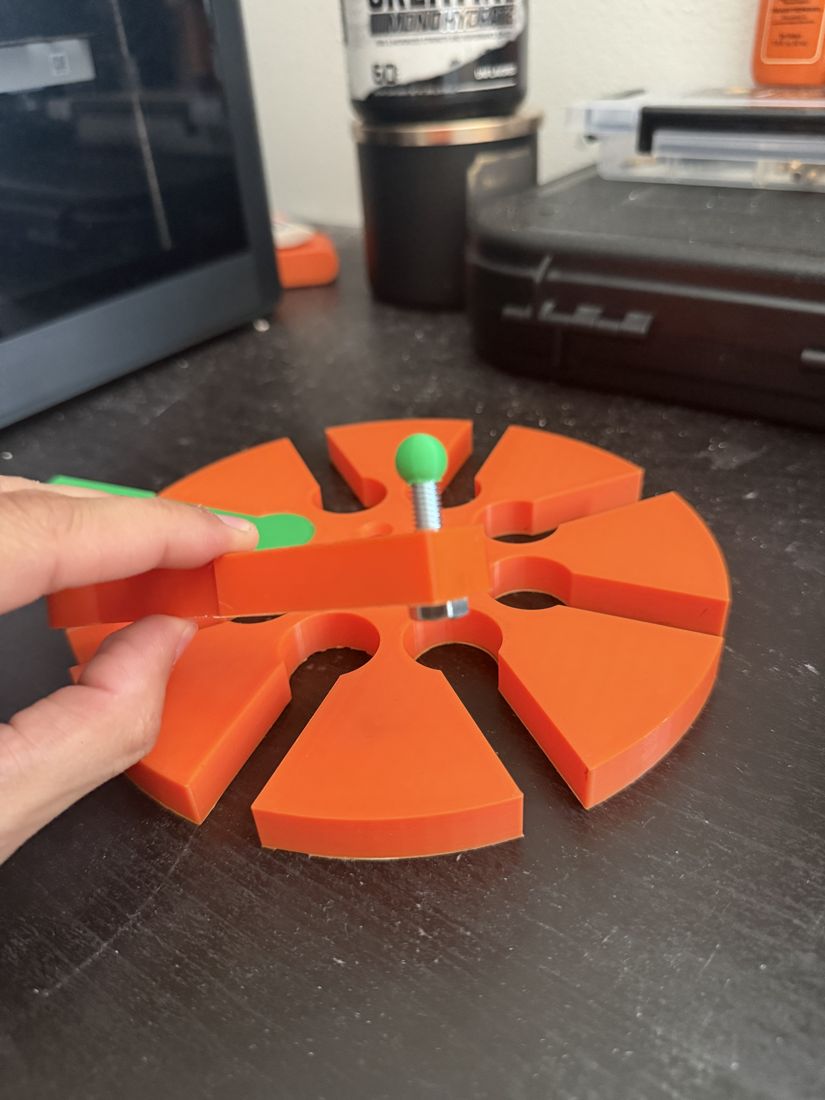
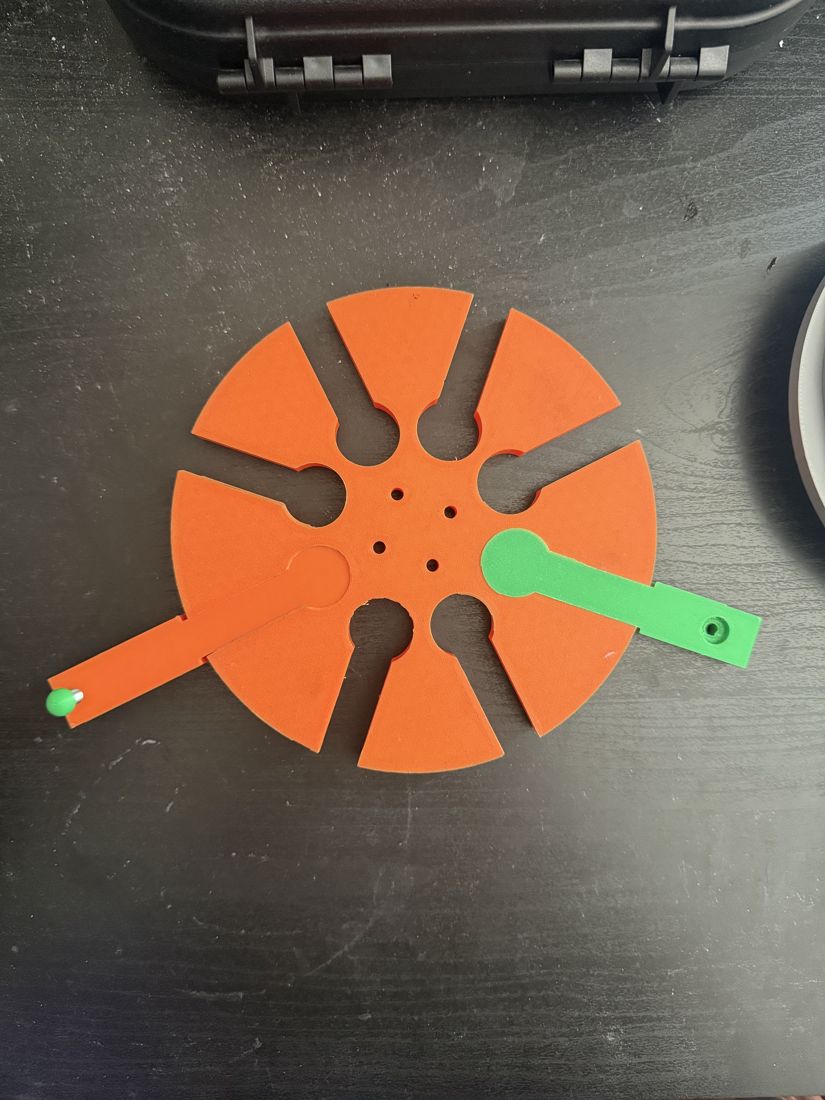
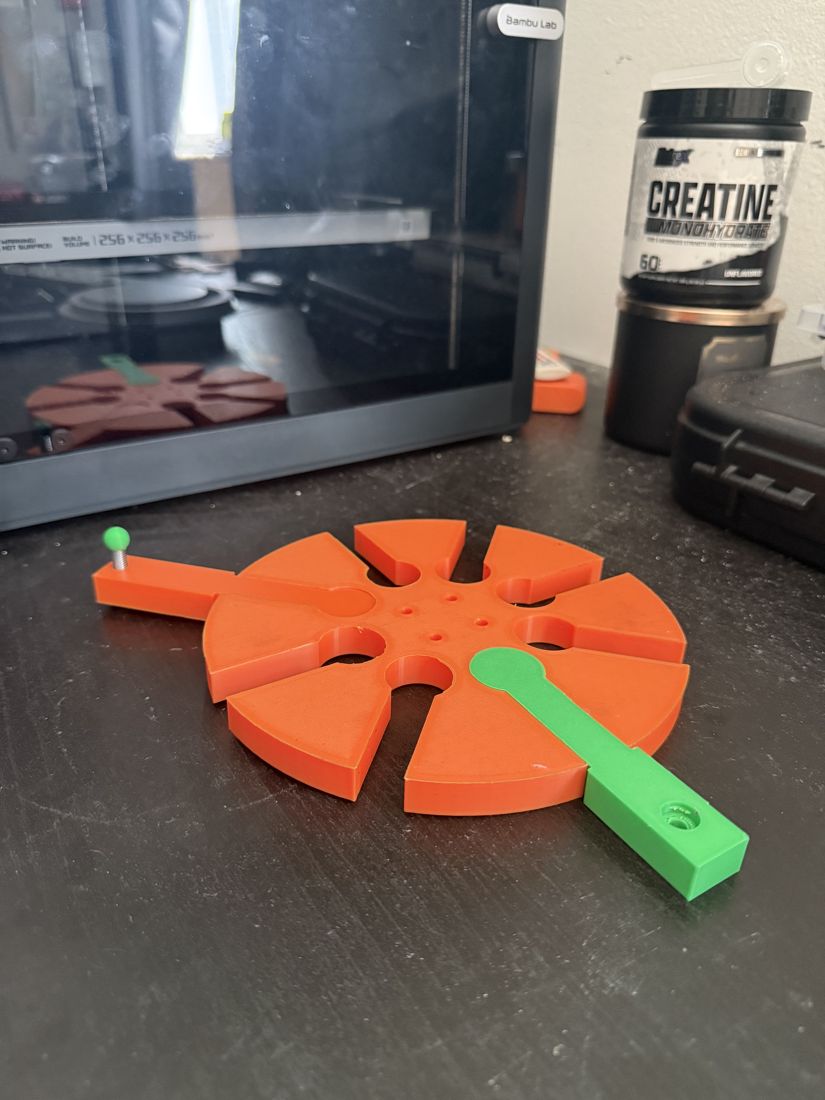
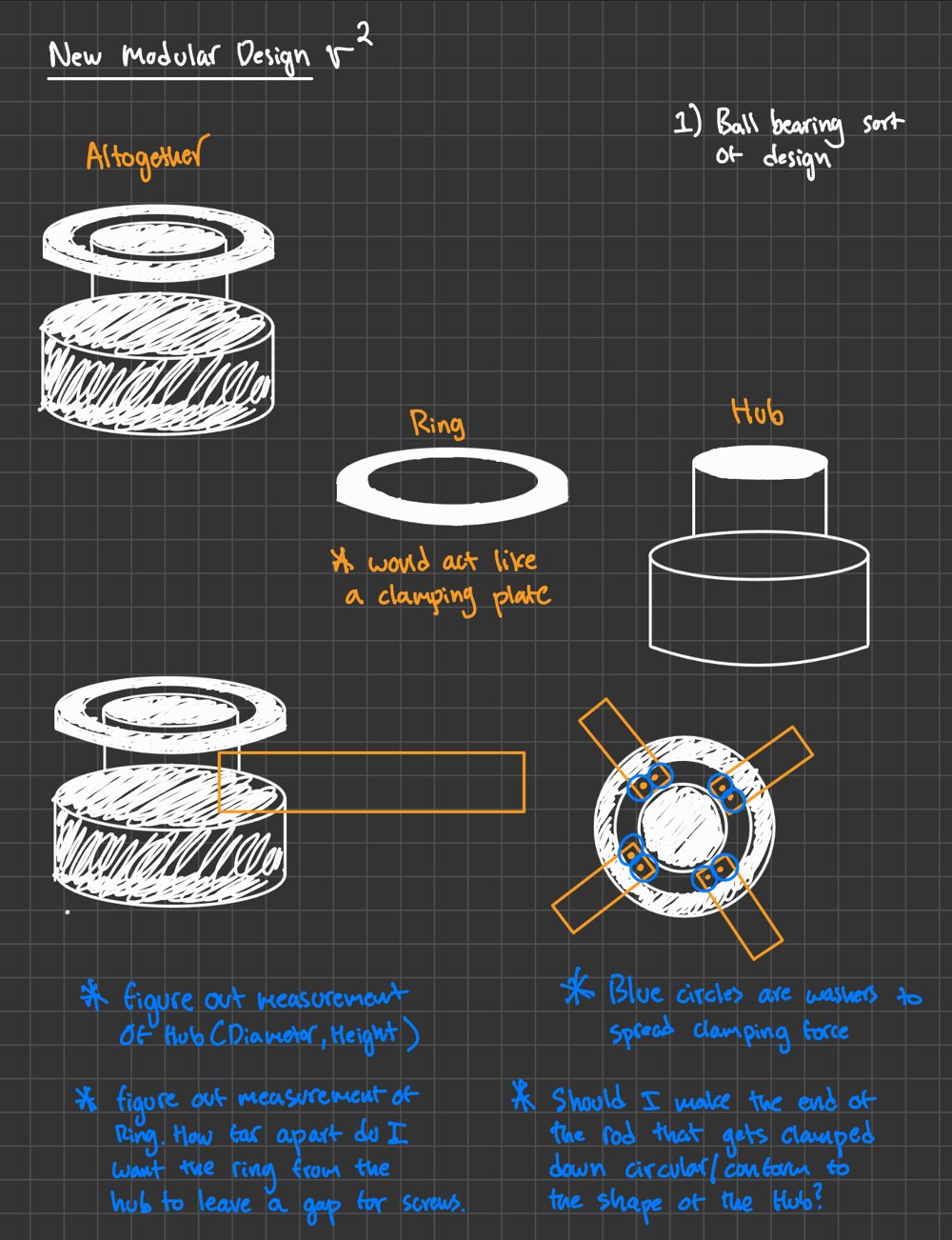
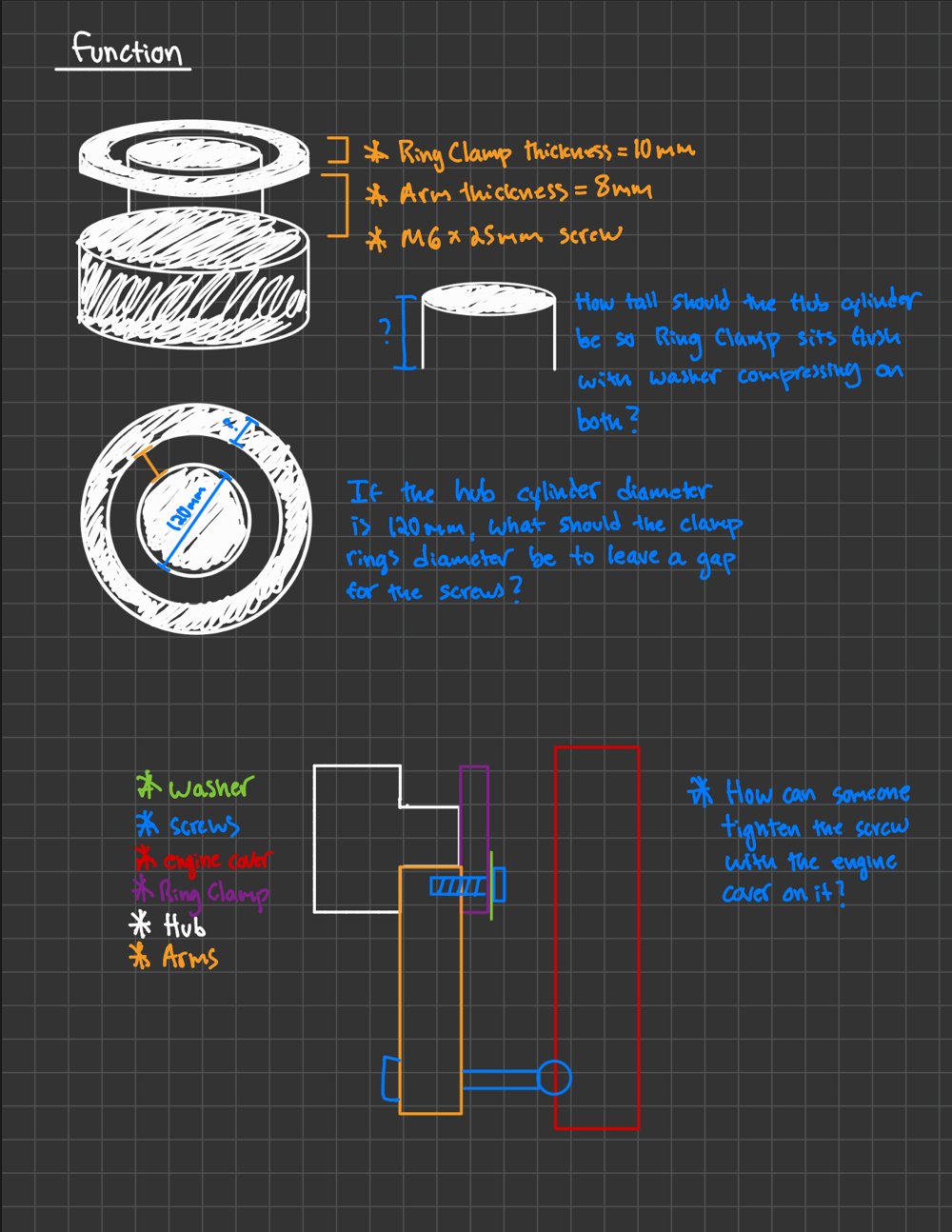
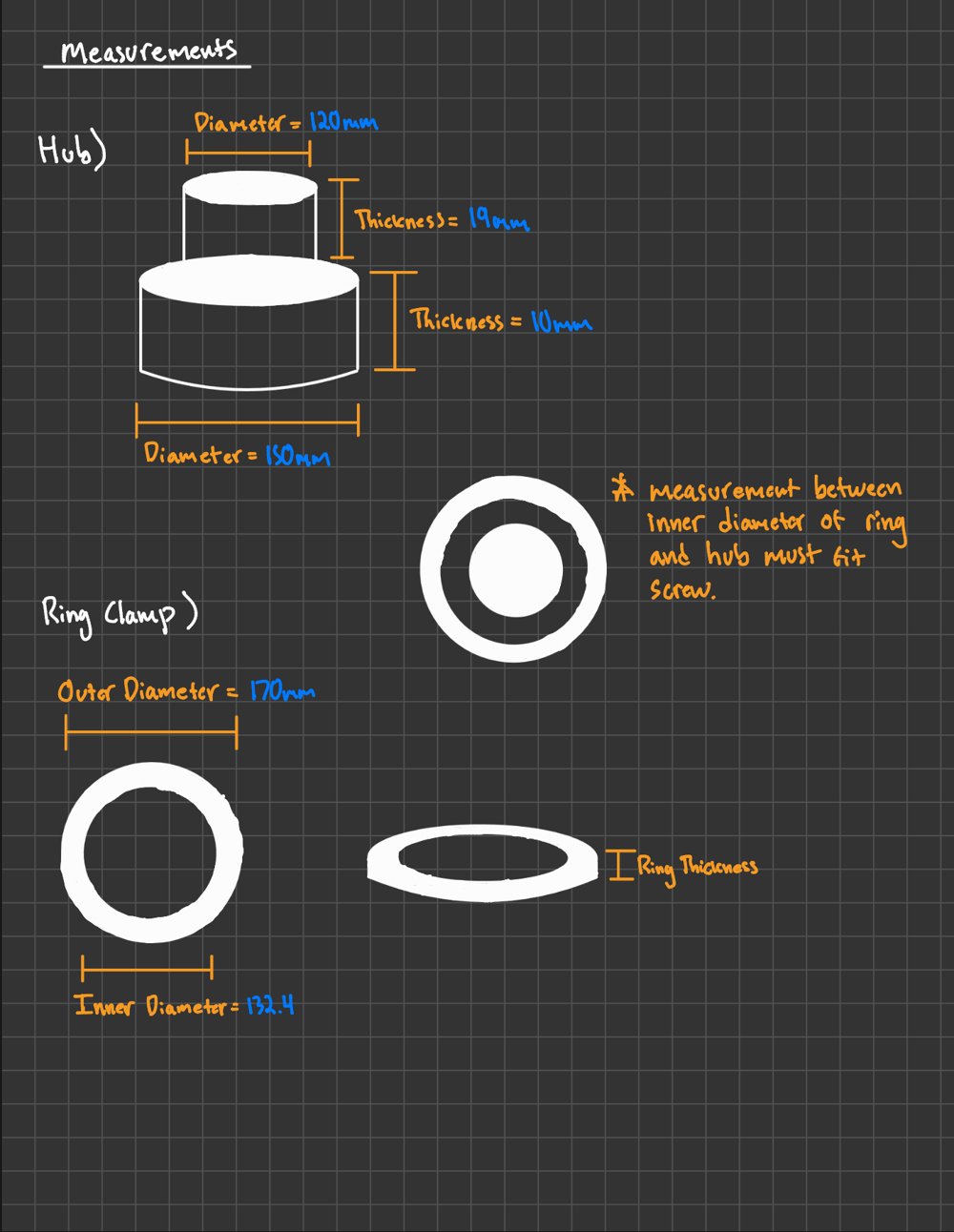
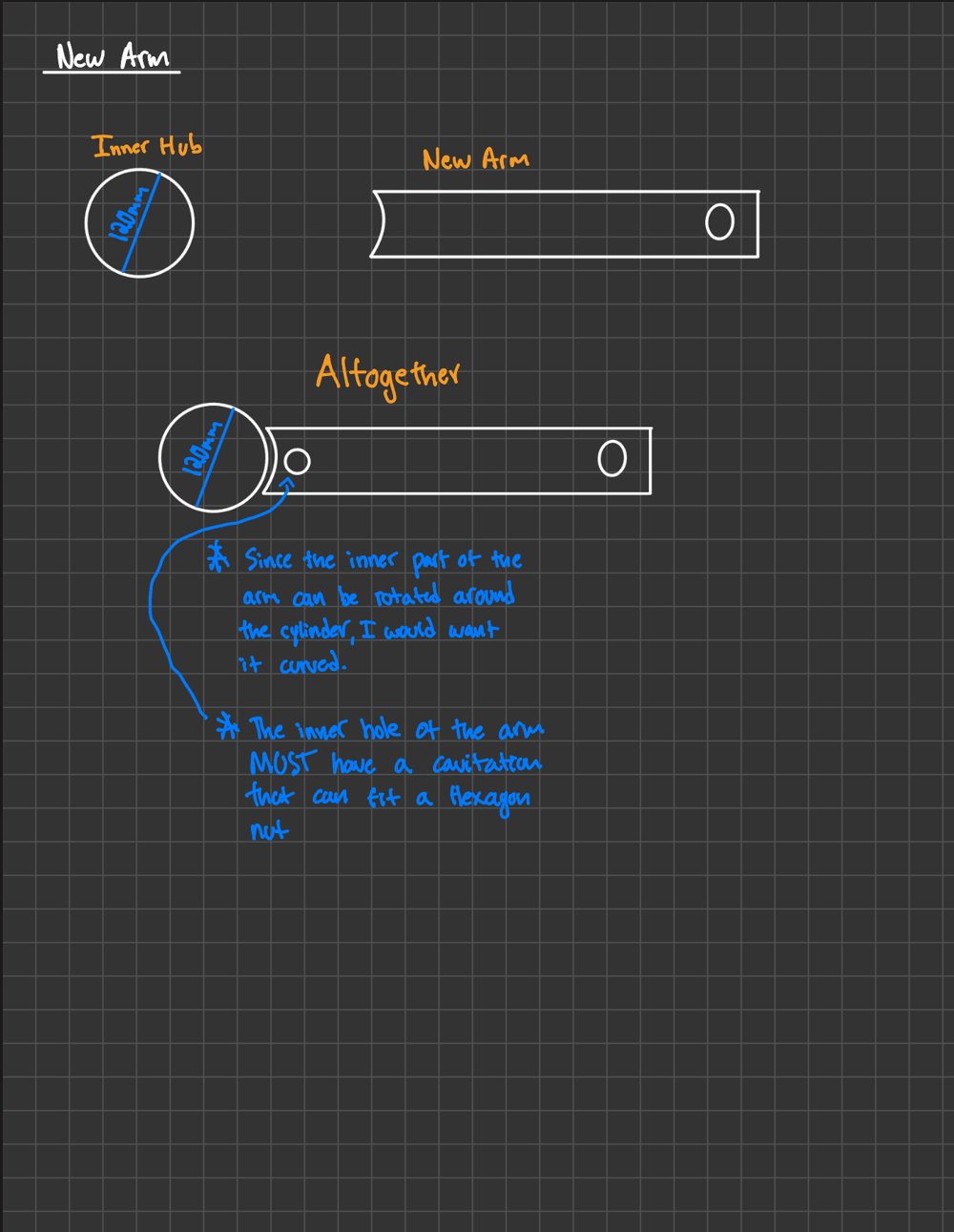
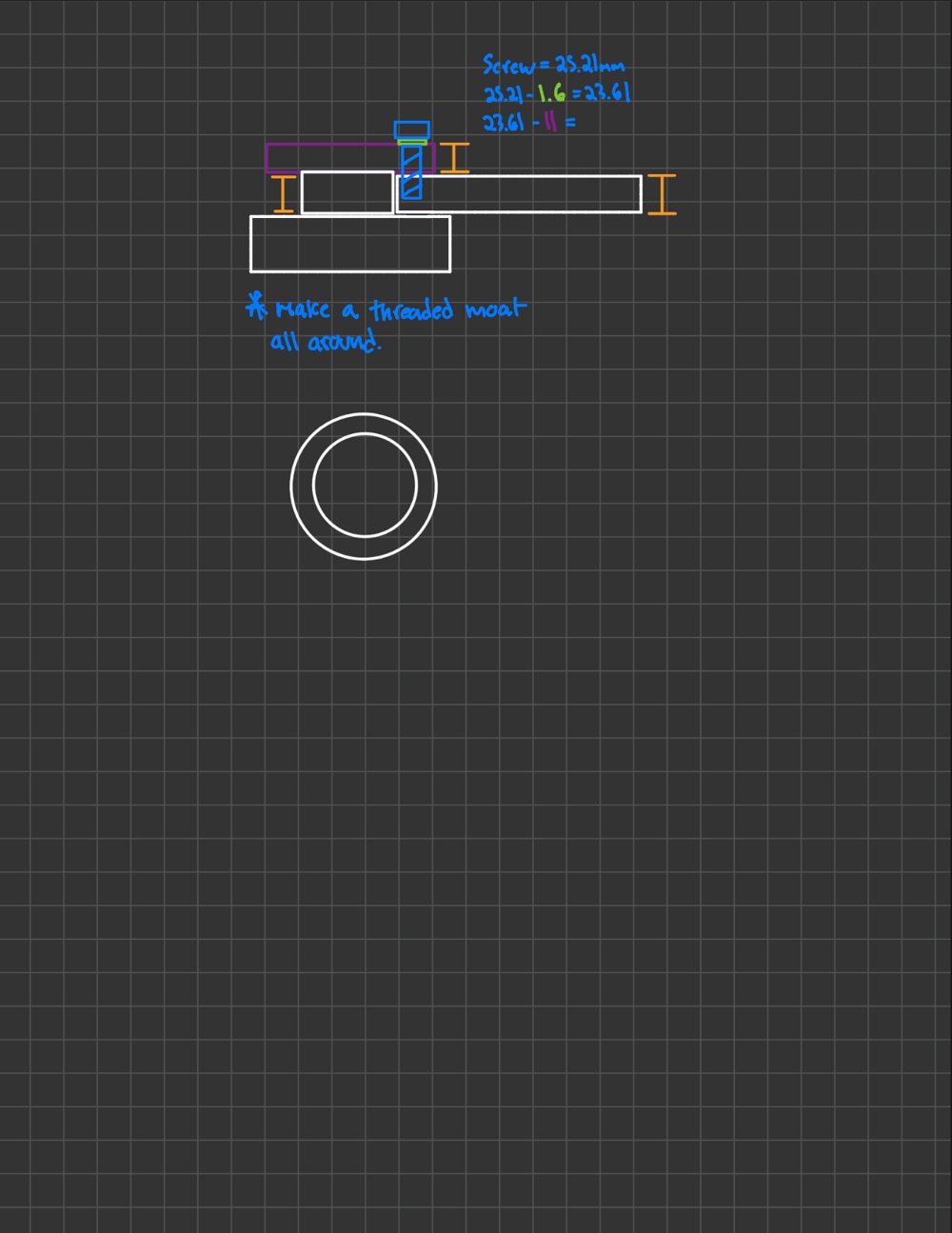
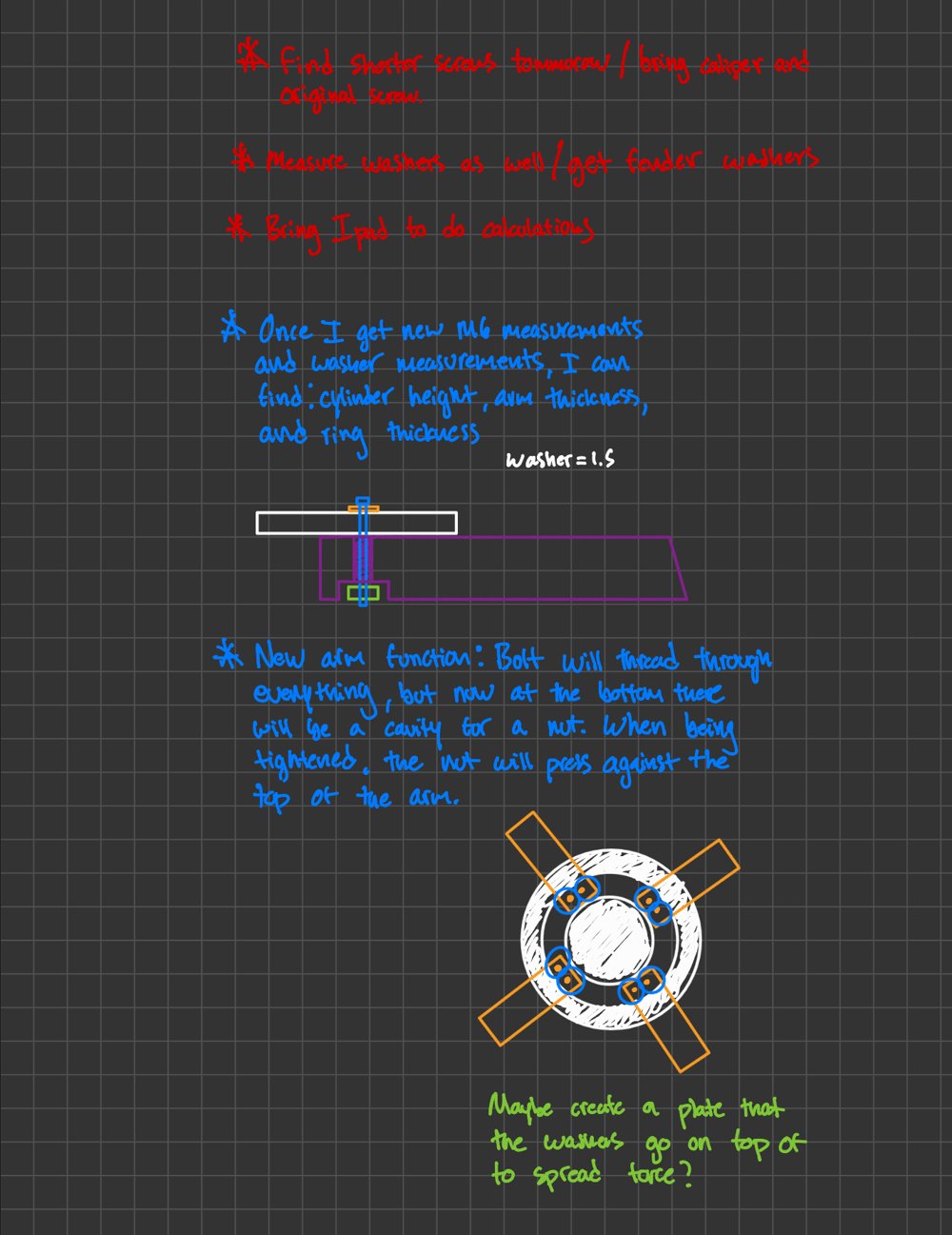
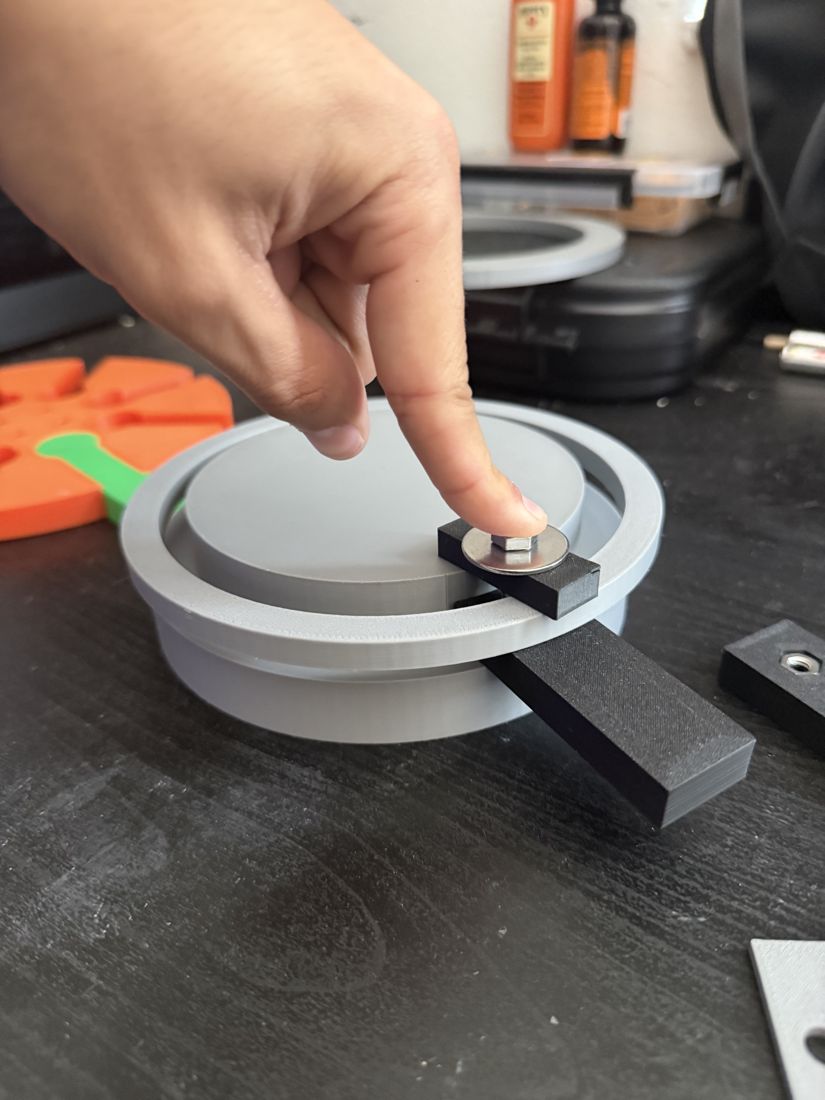
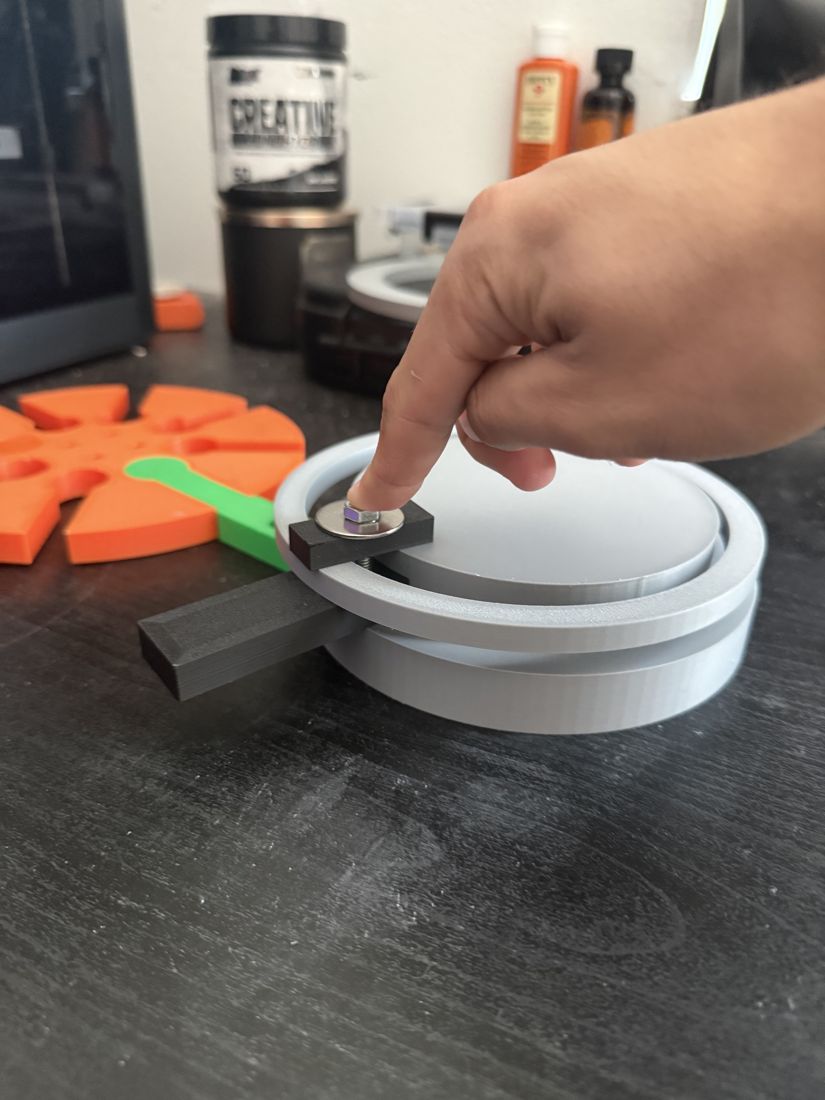
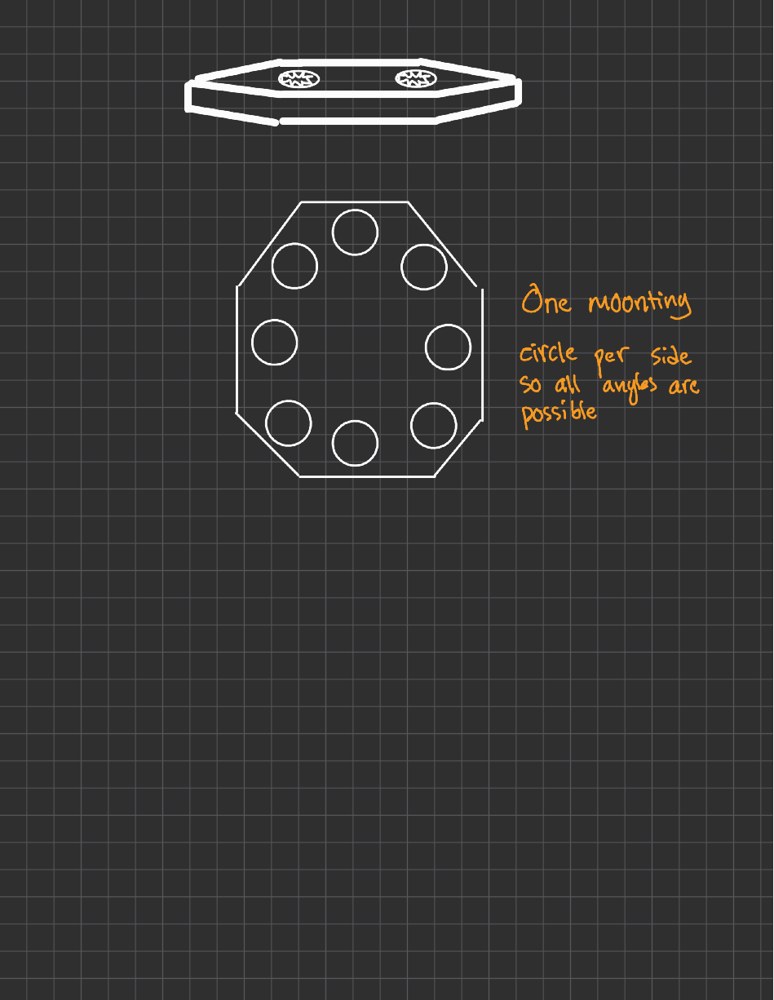
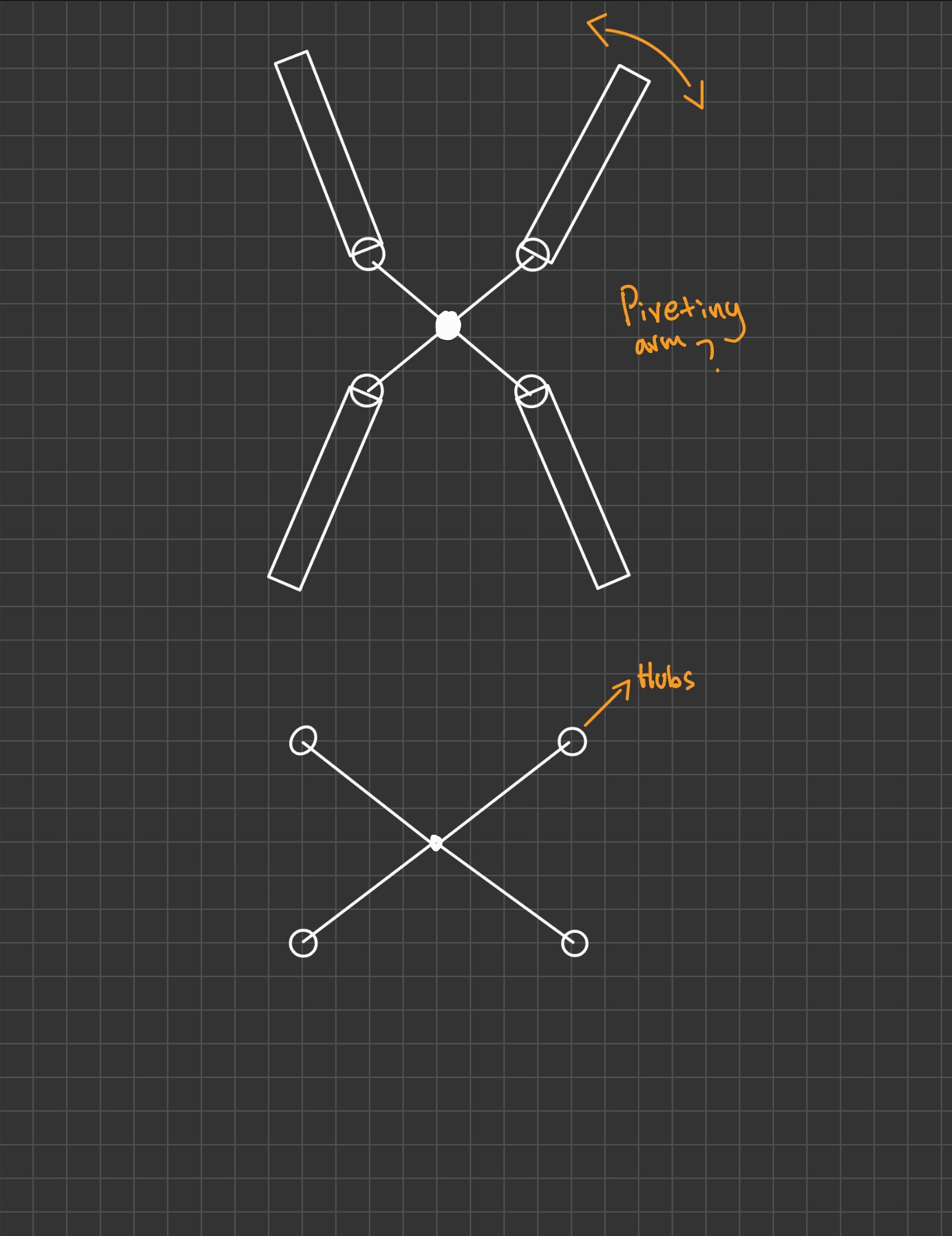
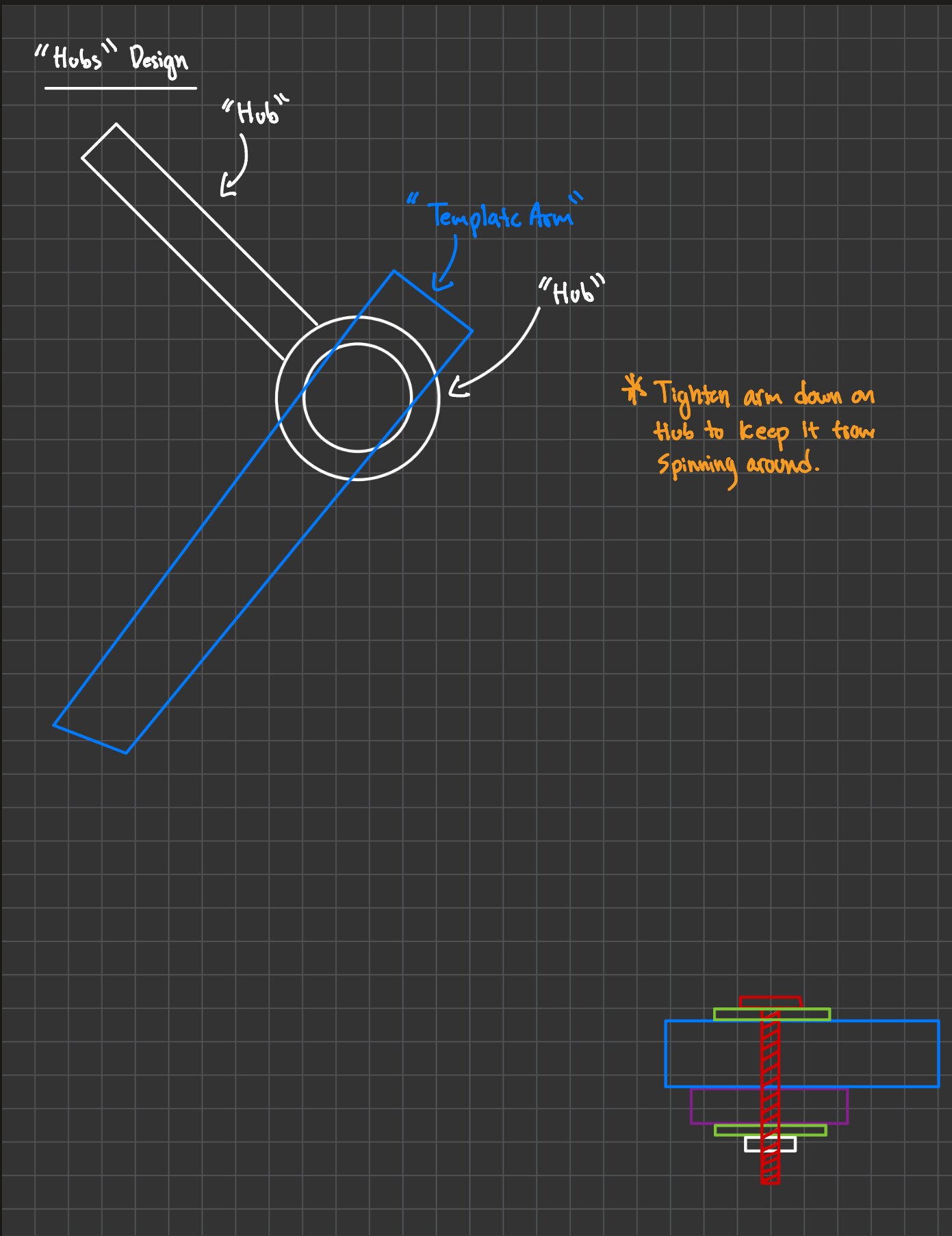
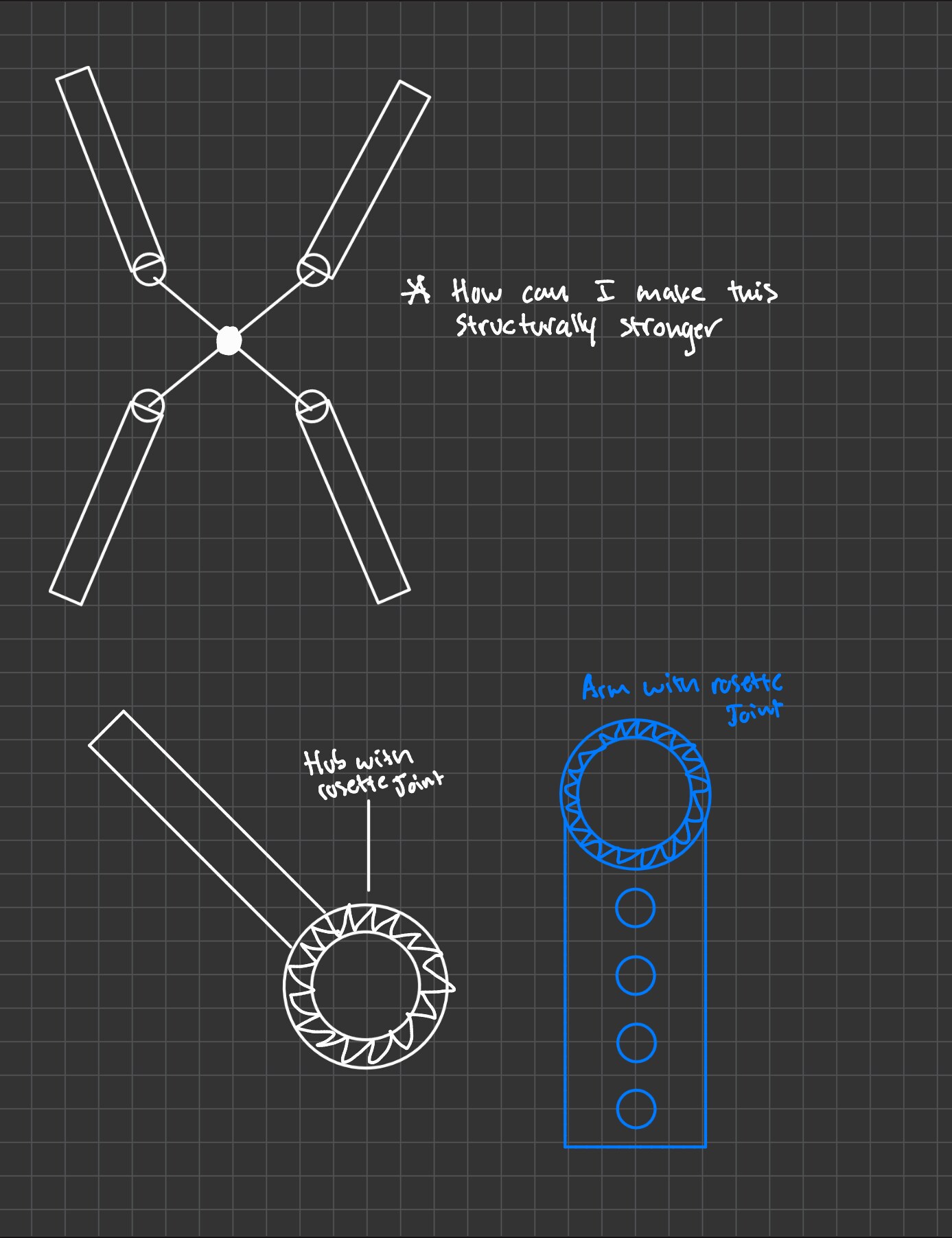
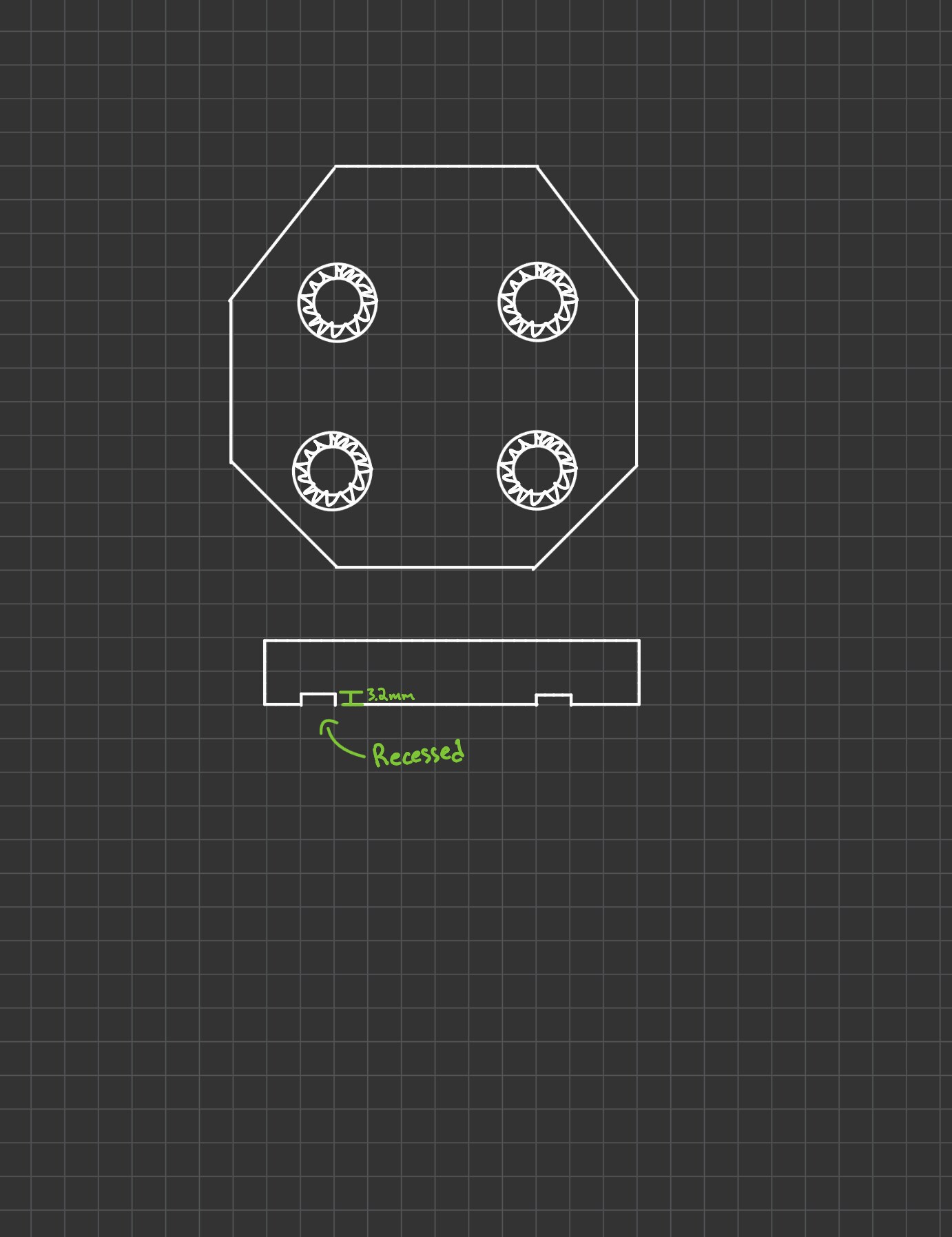
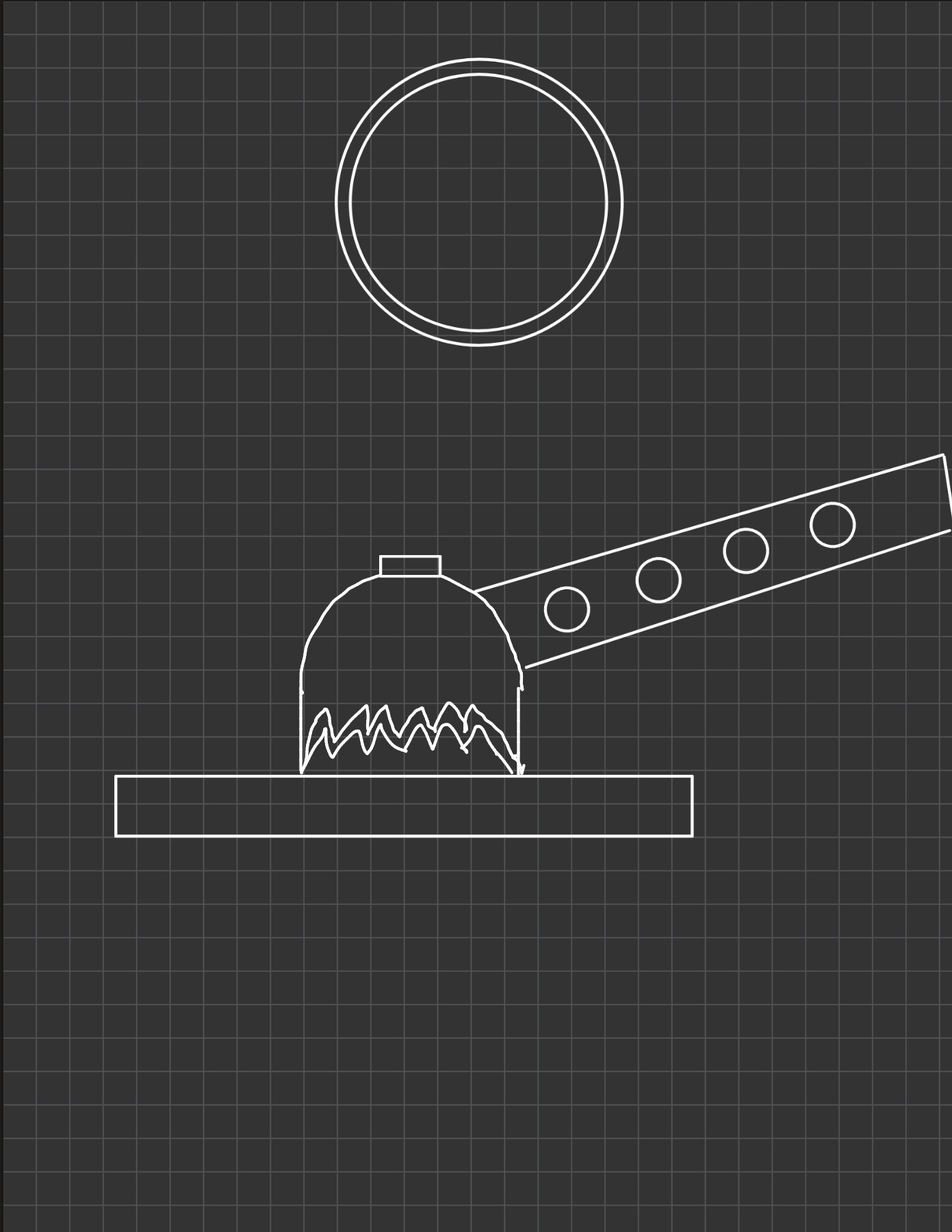
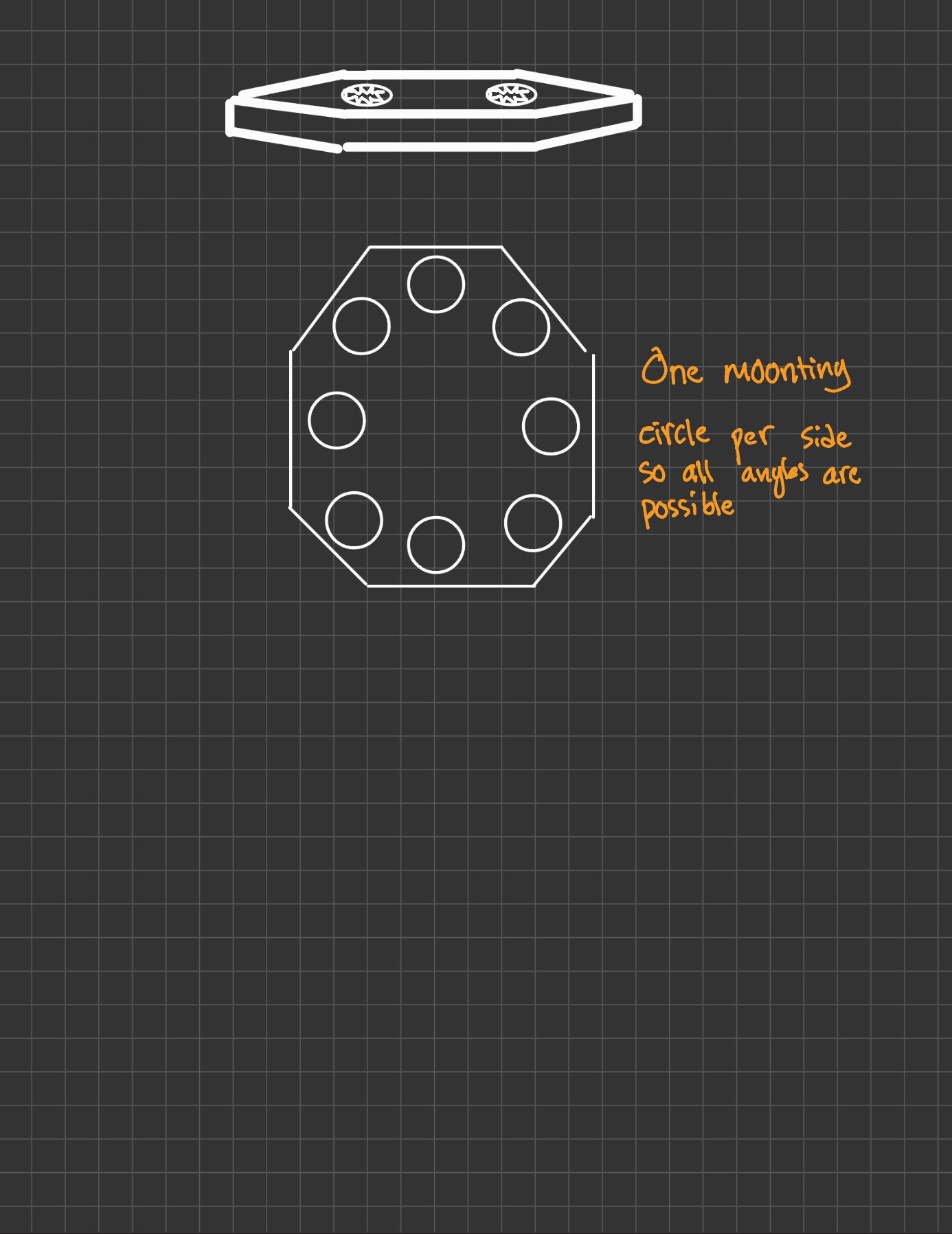
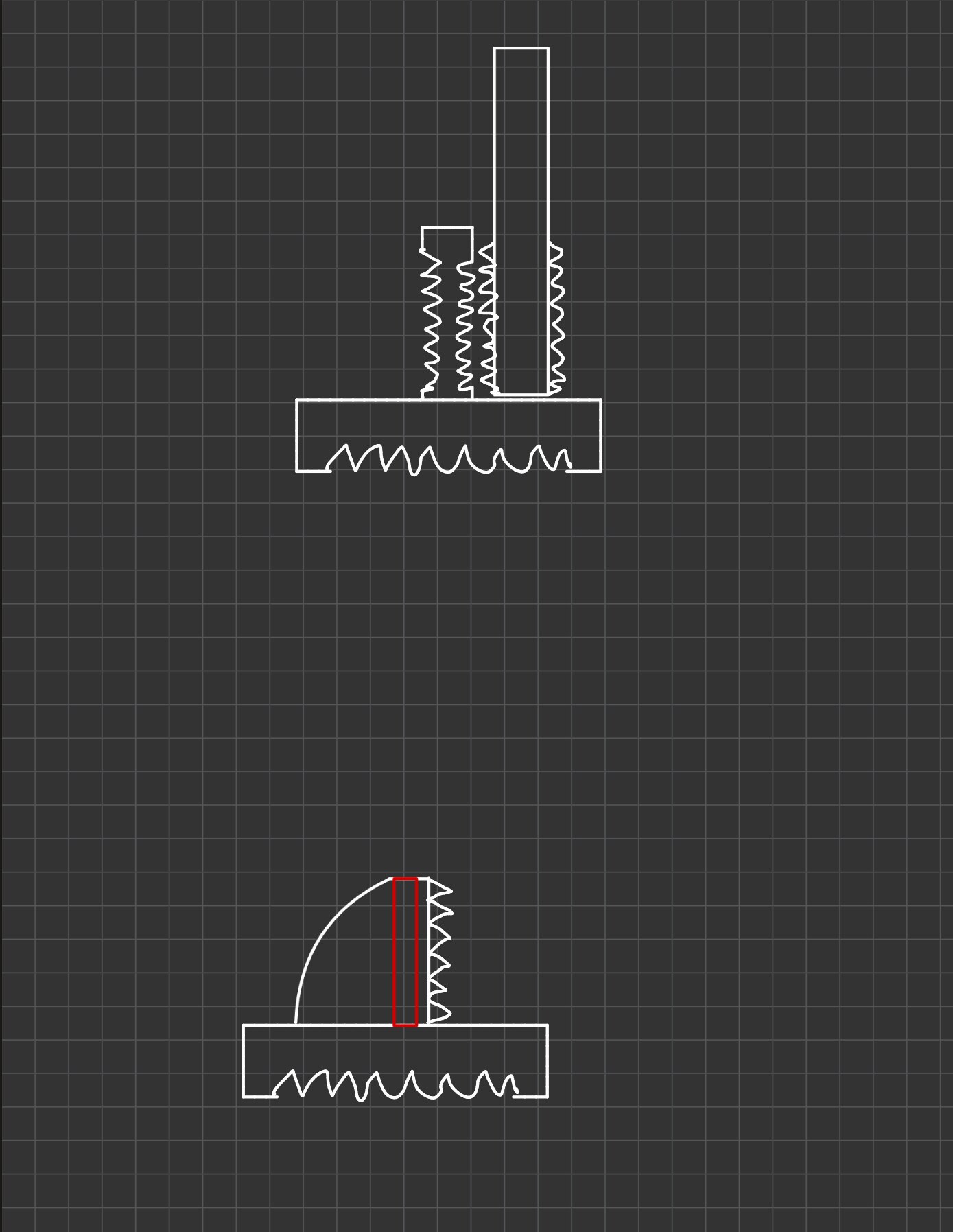
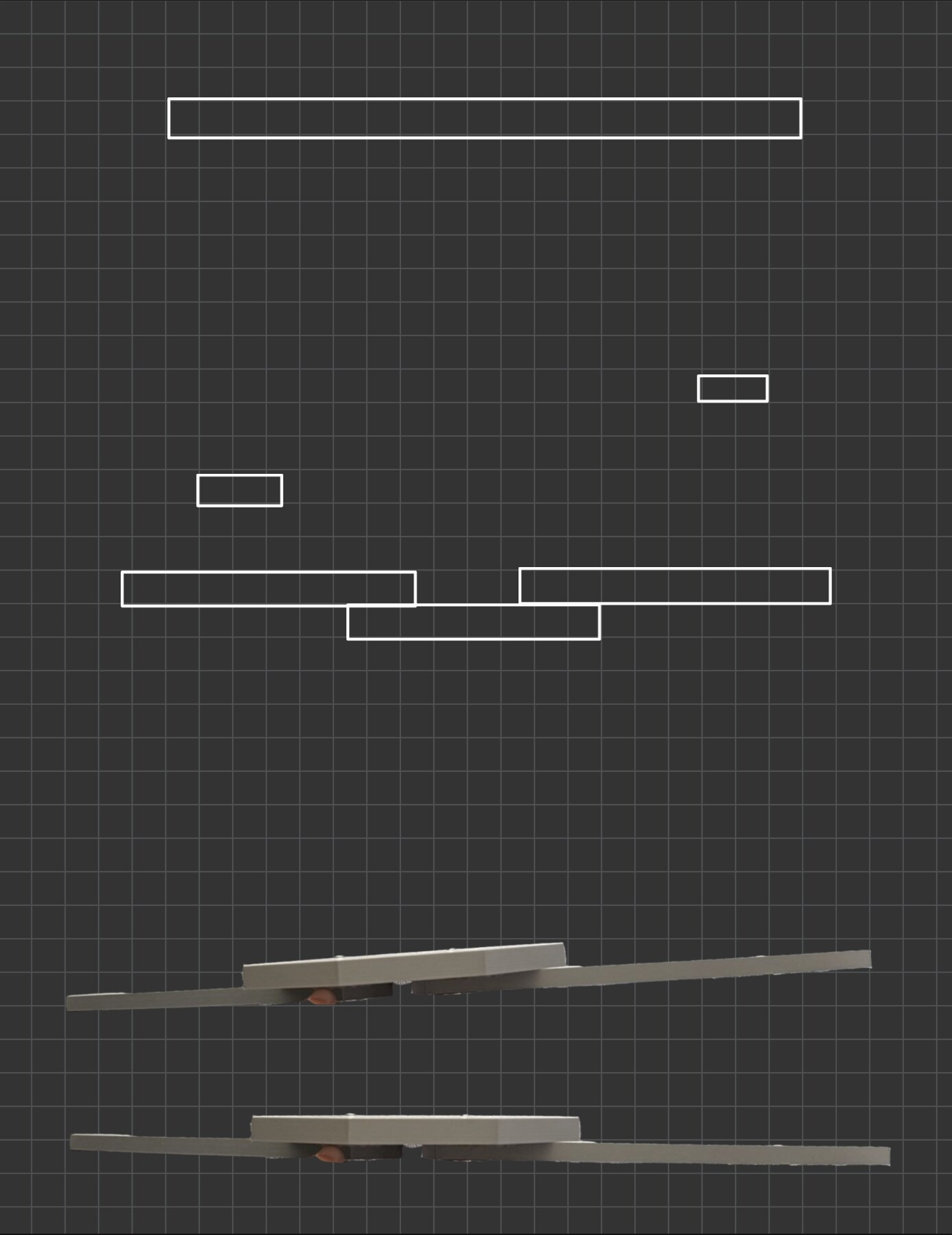
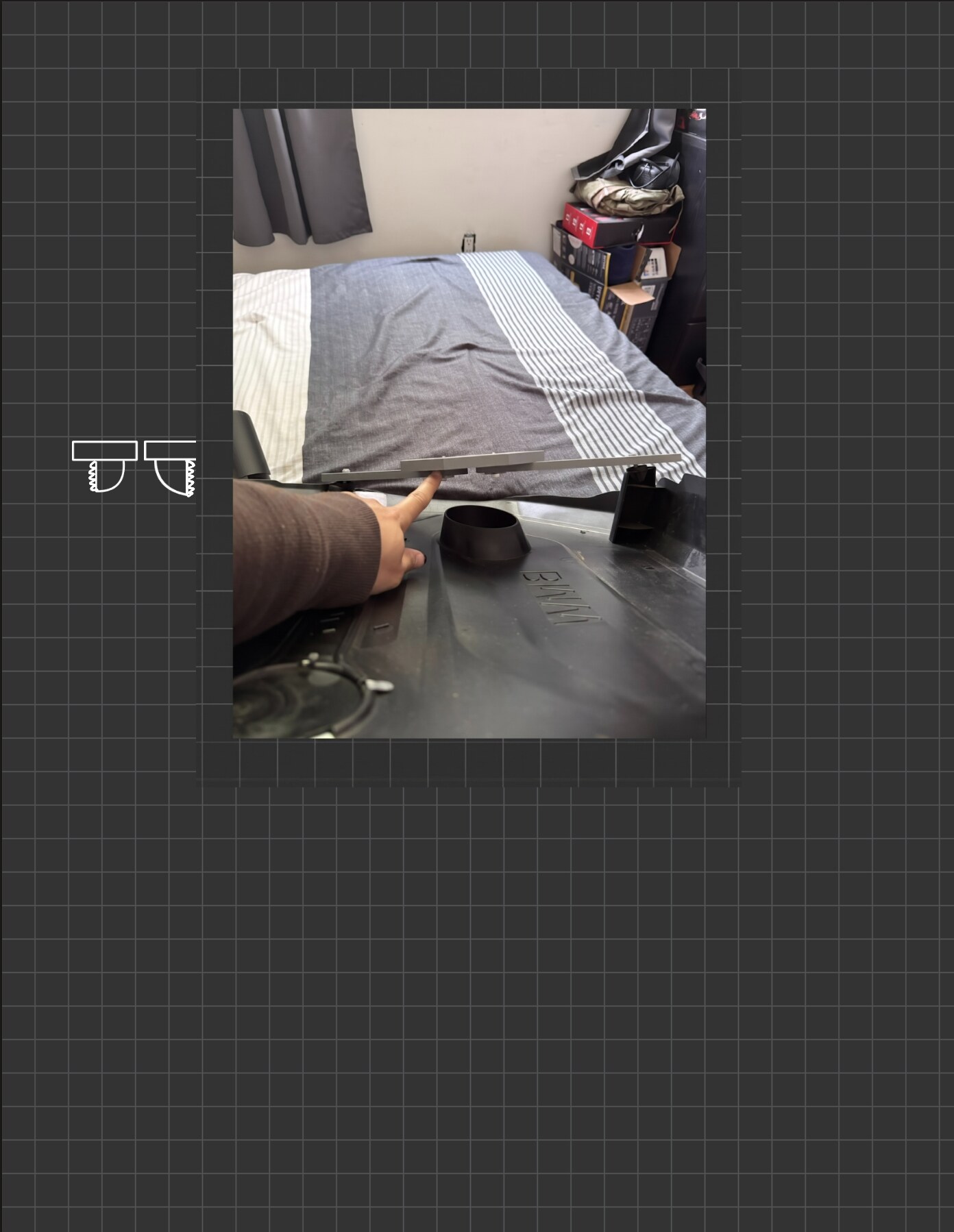
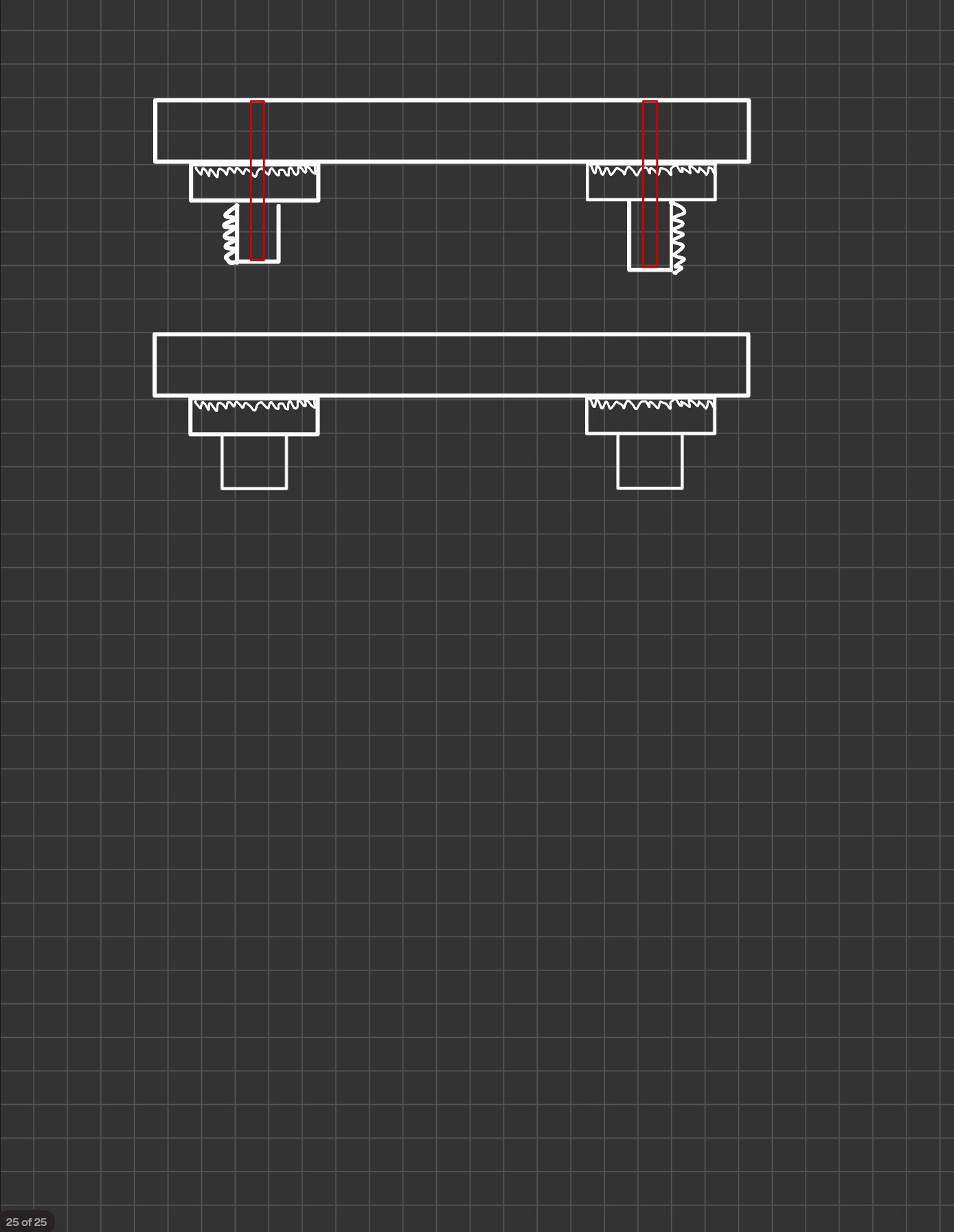
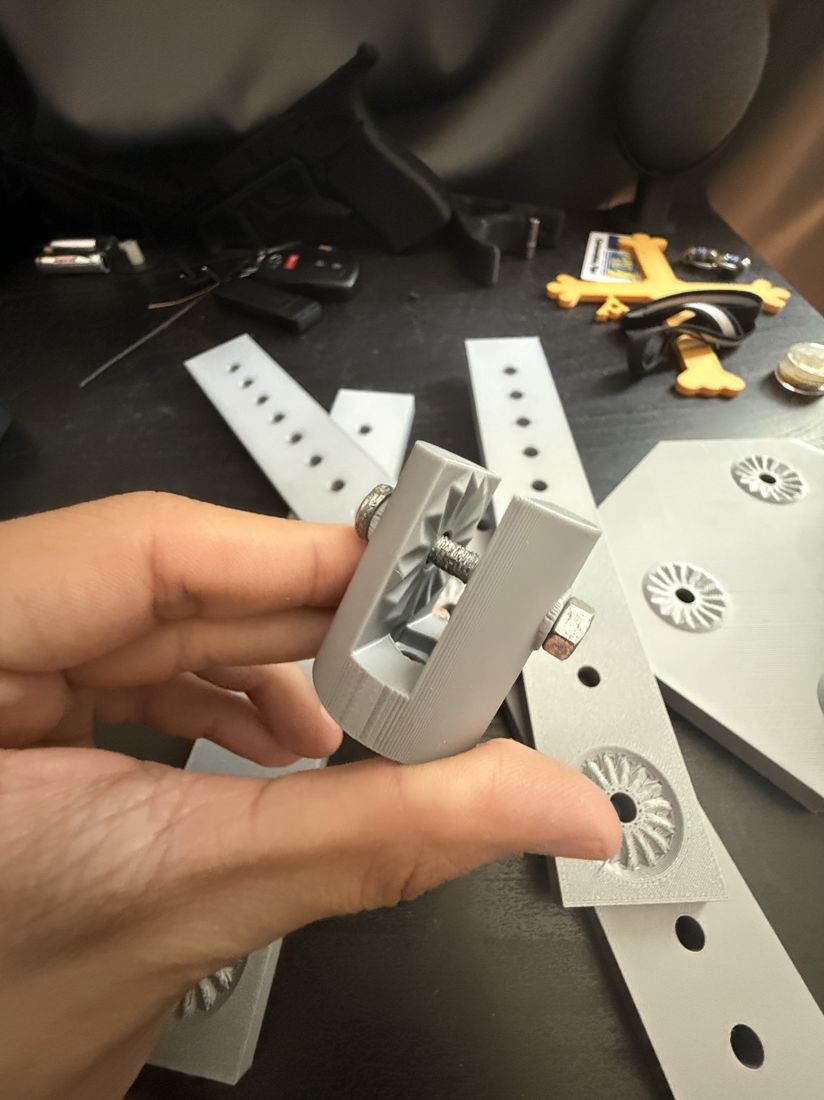
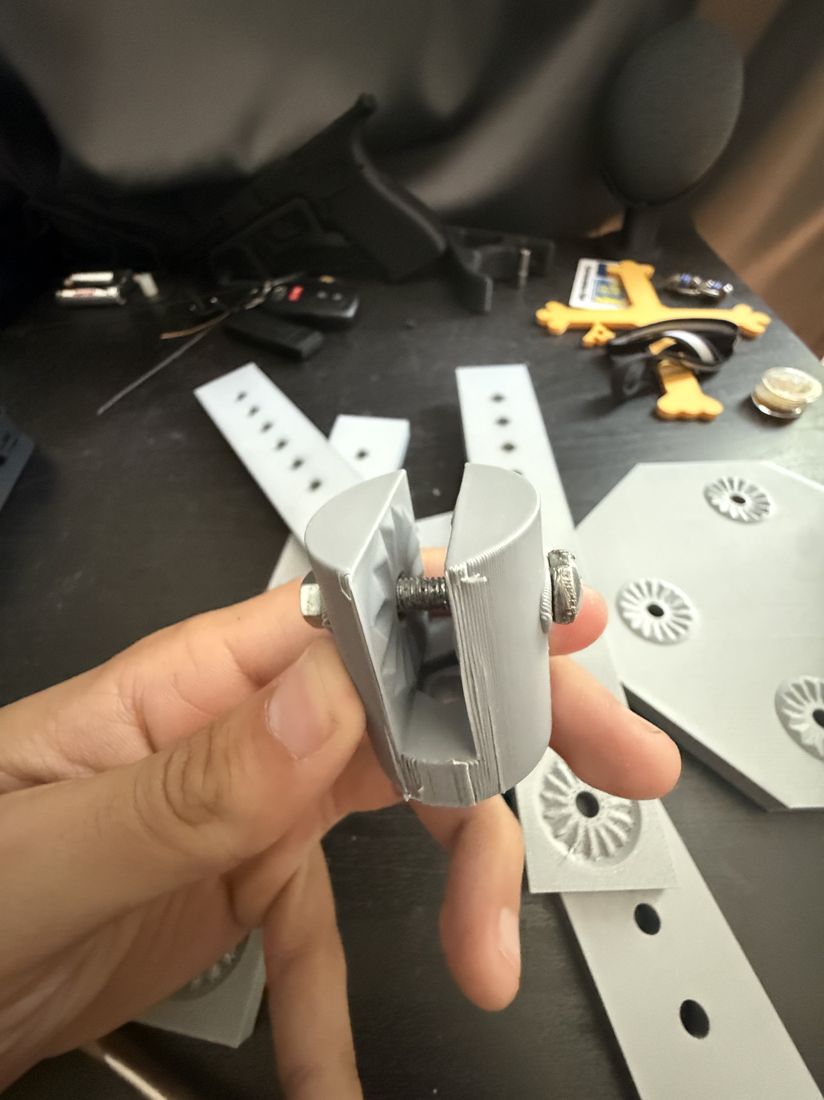
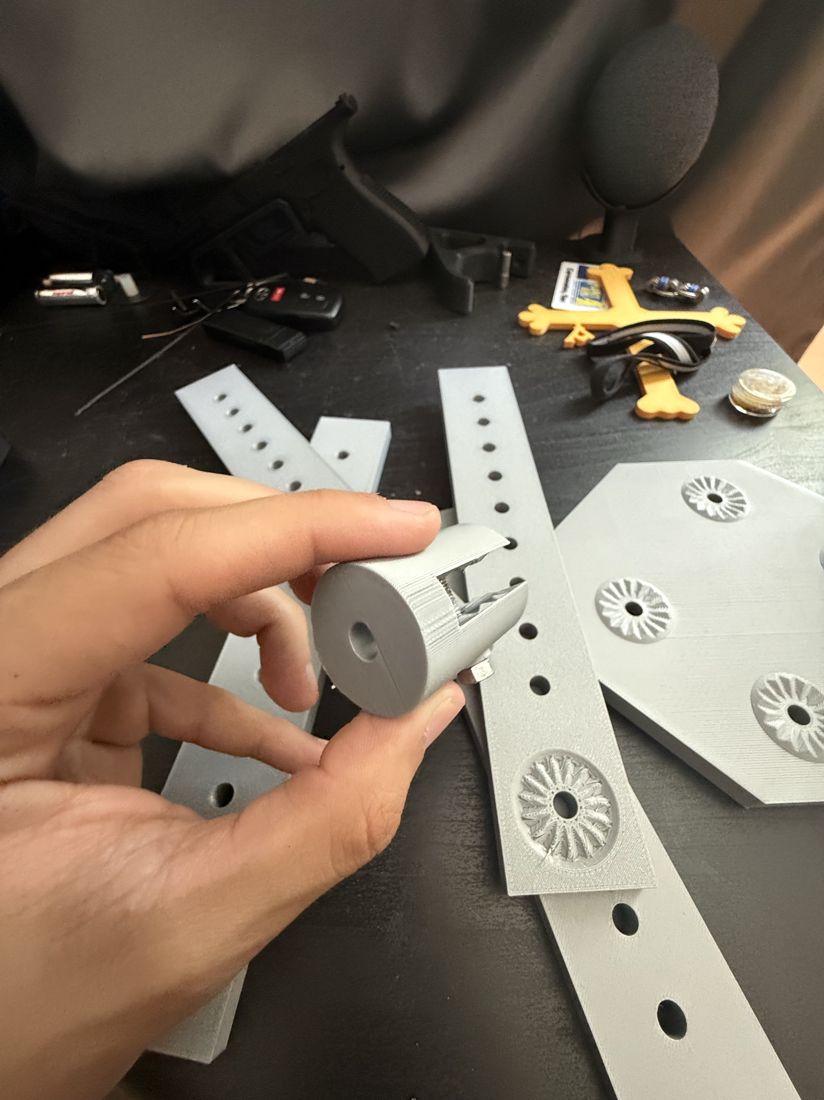
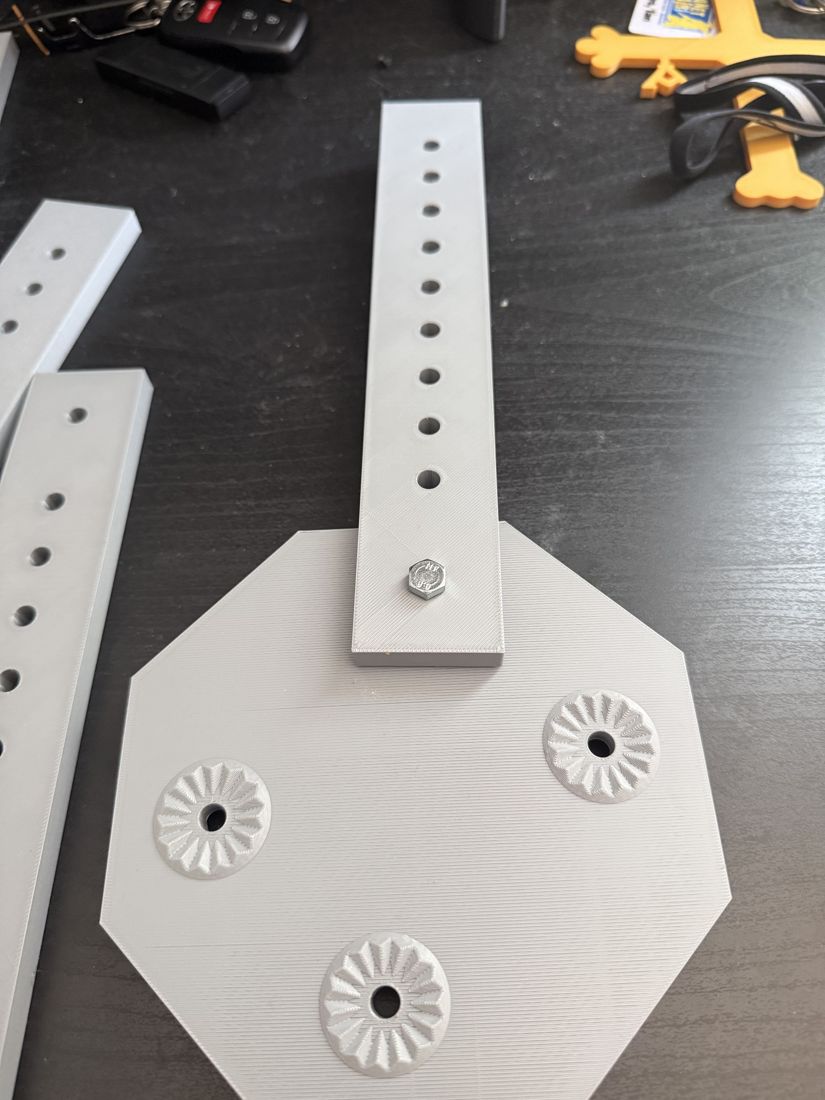
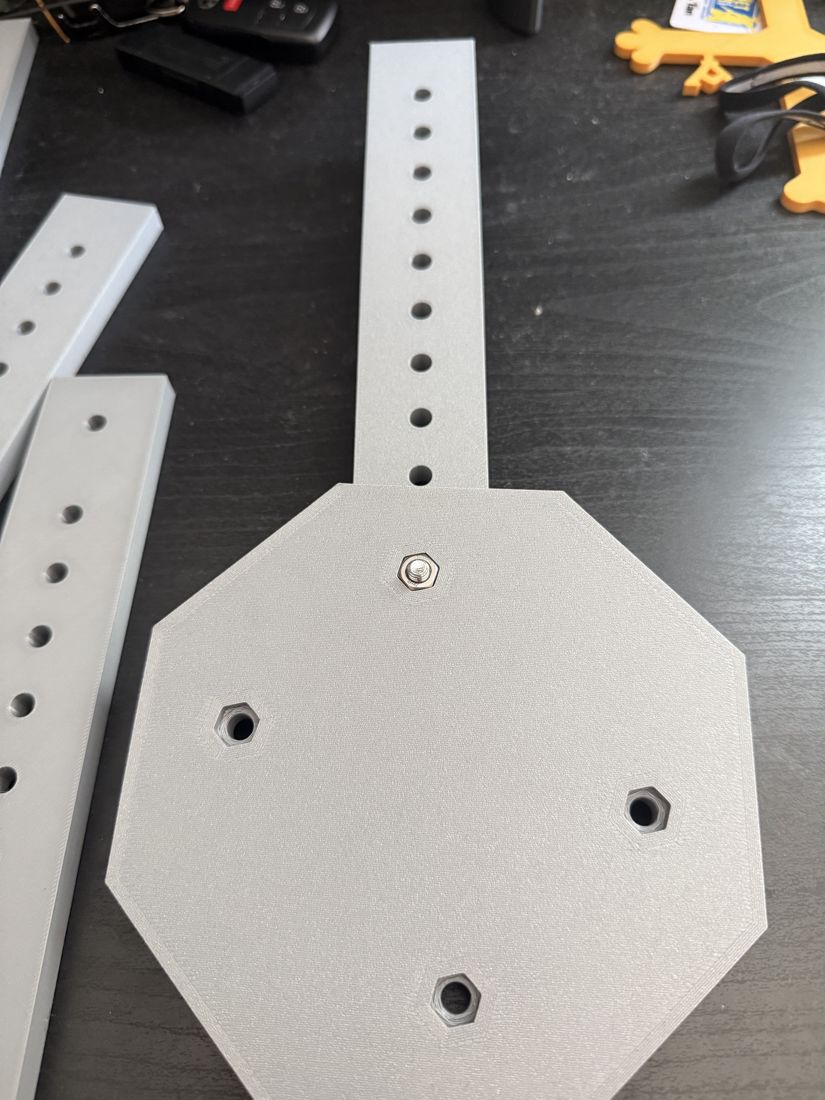
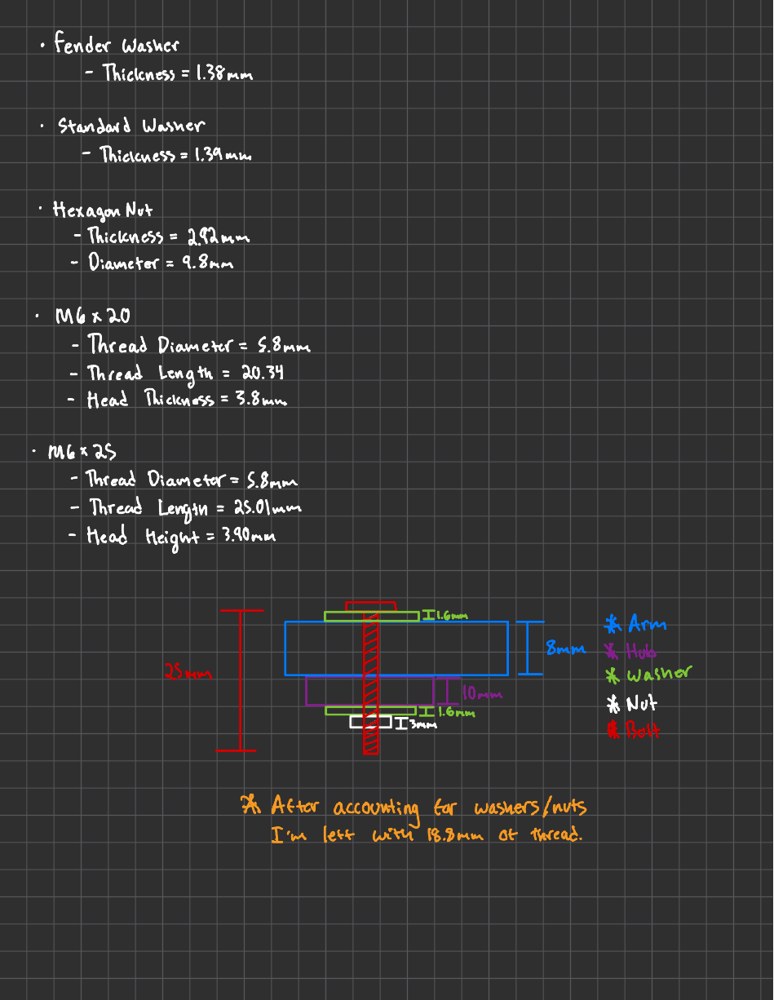
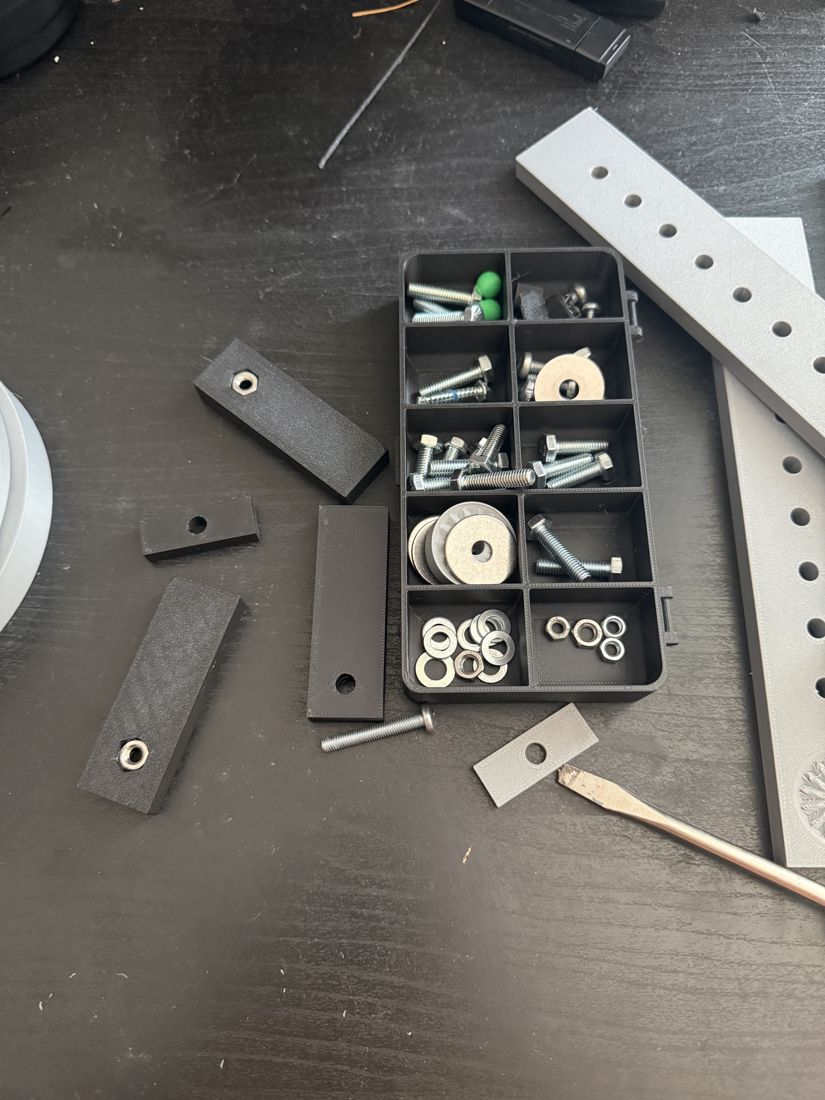
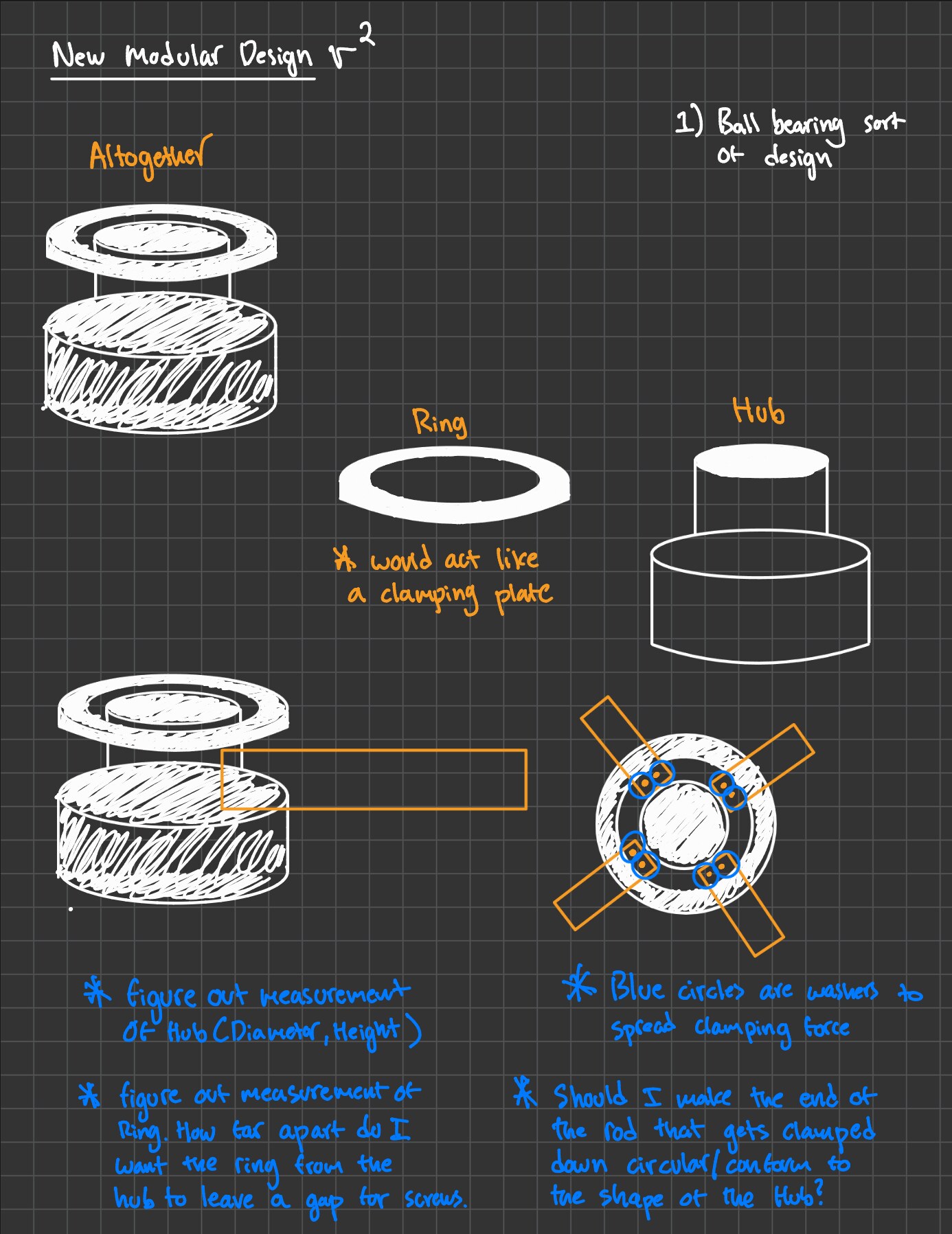
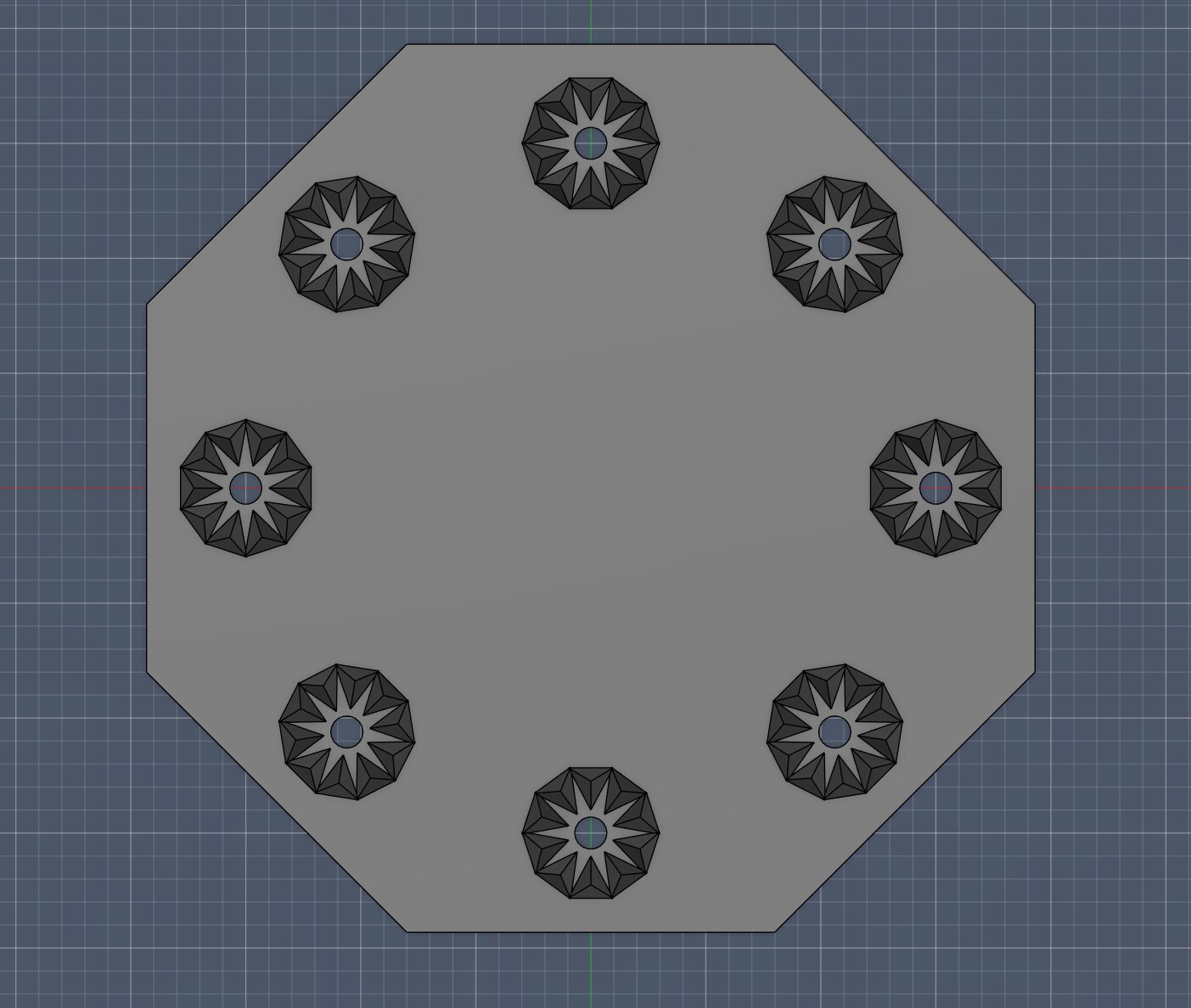
Objective: Mount engine covers on the wall as display pieces instead of leaving them boxed up — built a modular hub-and-arm system to hold them at any angle.
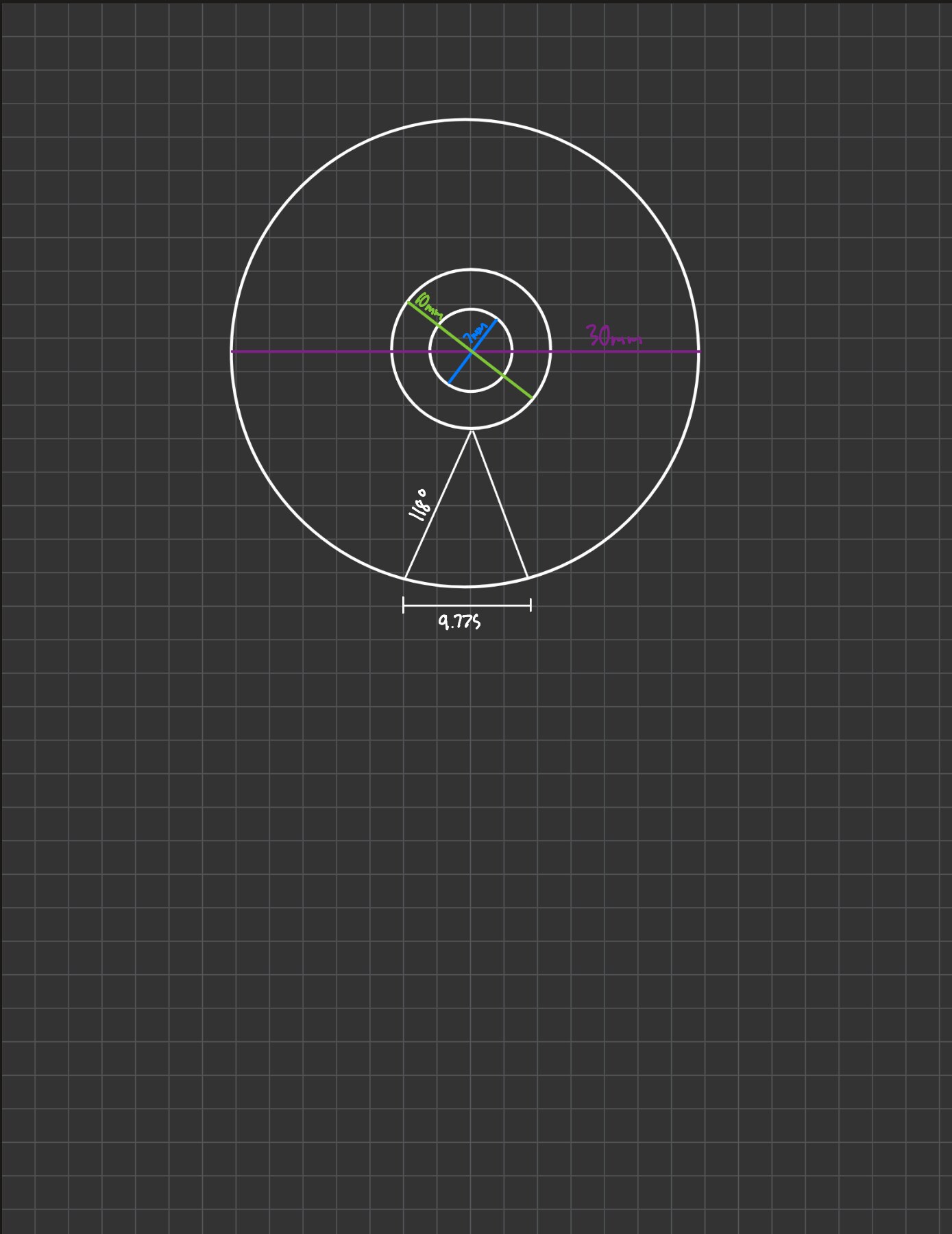
Result: Functional printed parts and fixtures, modeled in Fusion 360 and produced via FDM on a Bambu Lab P1S. Current hub locks arm angle and mounting height with a rosette-tooth joint.
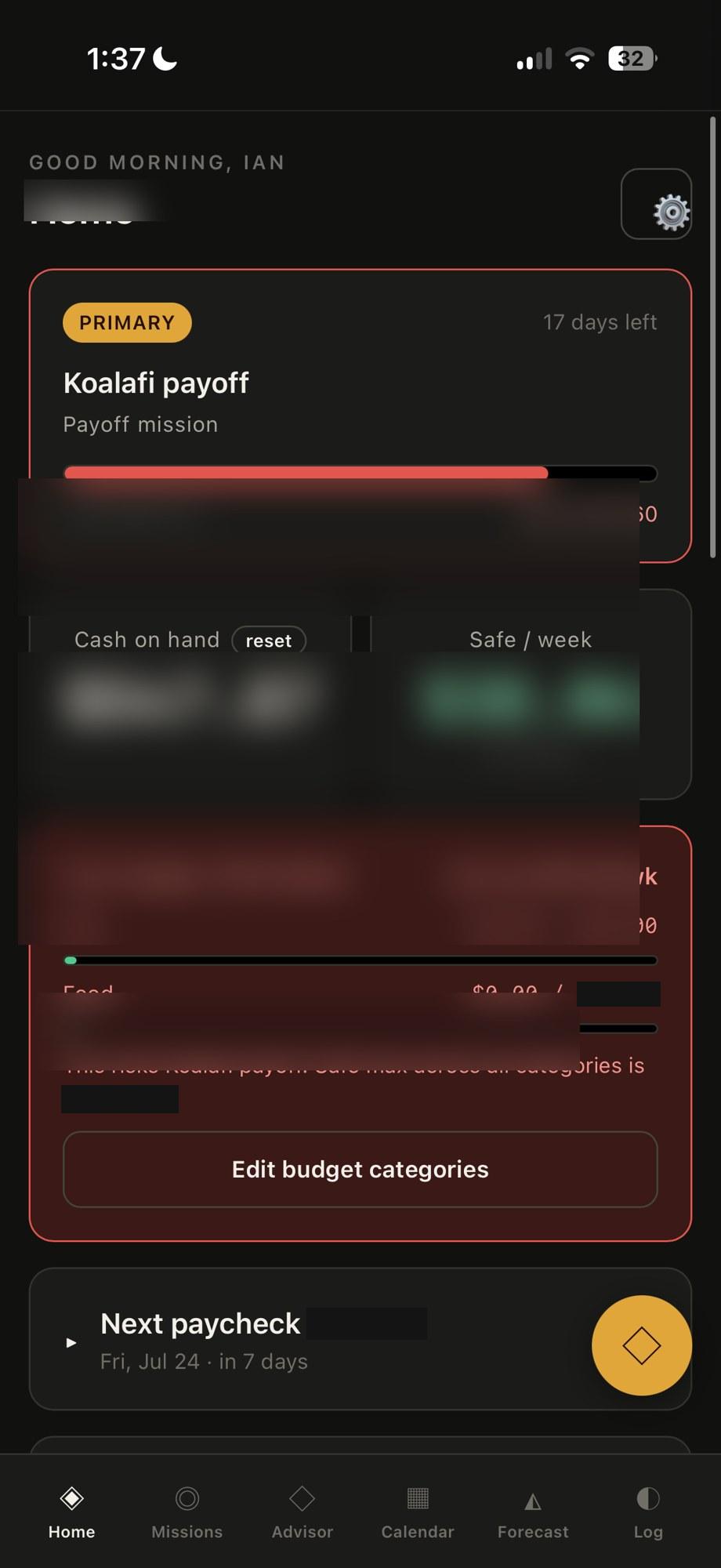
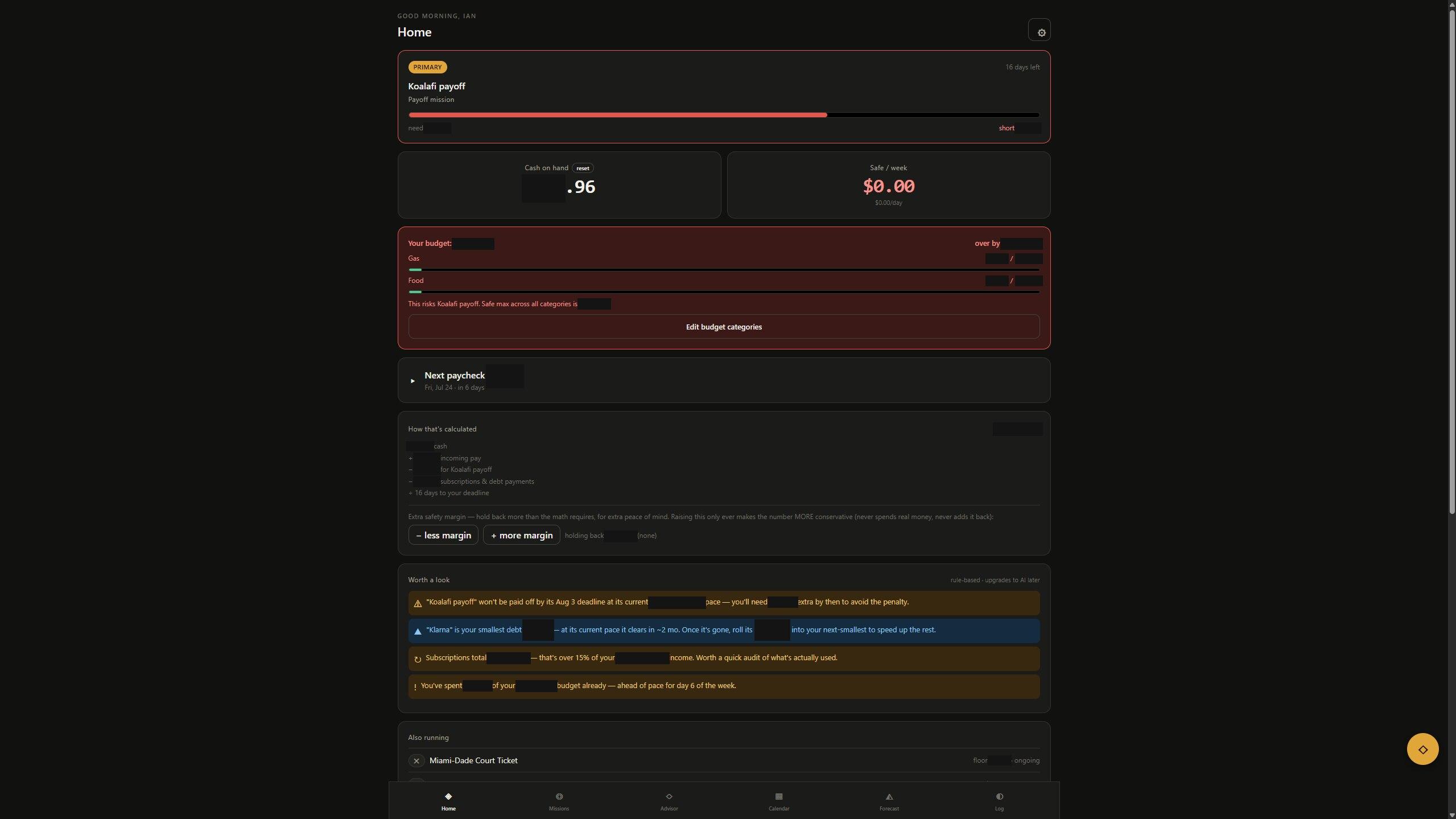
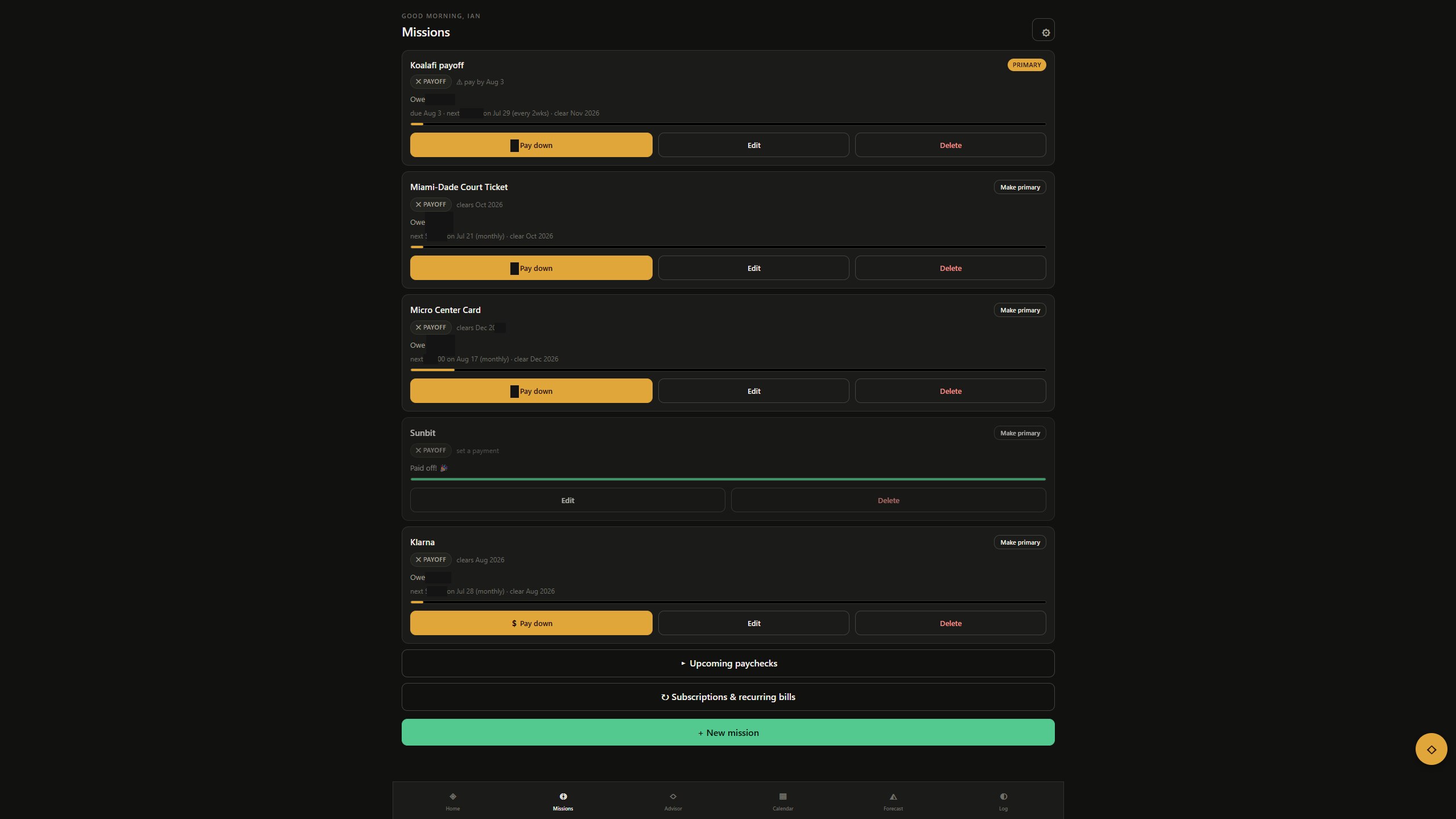
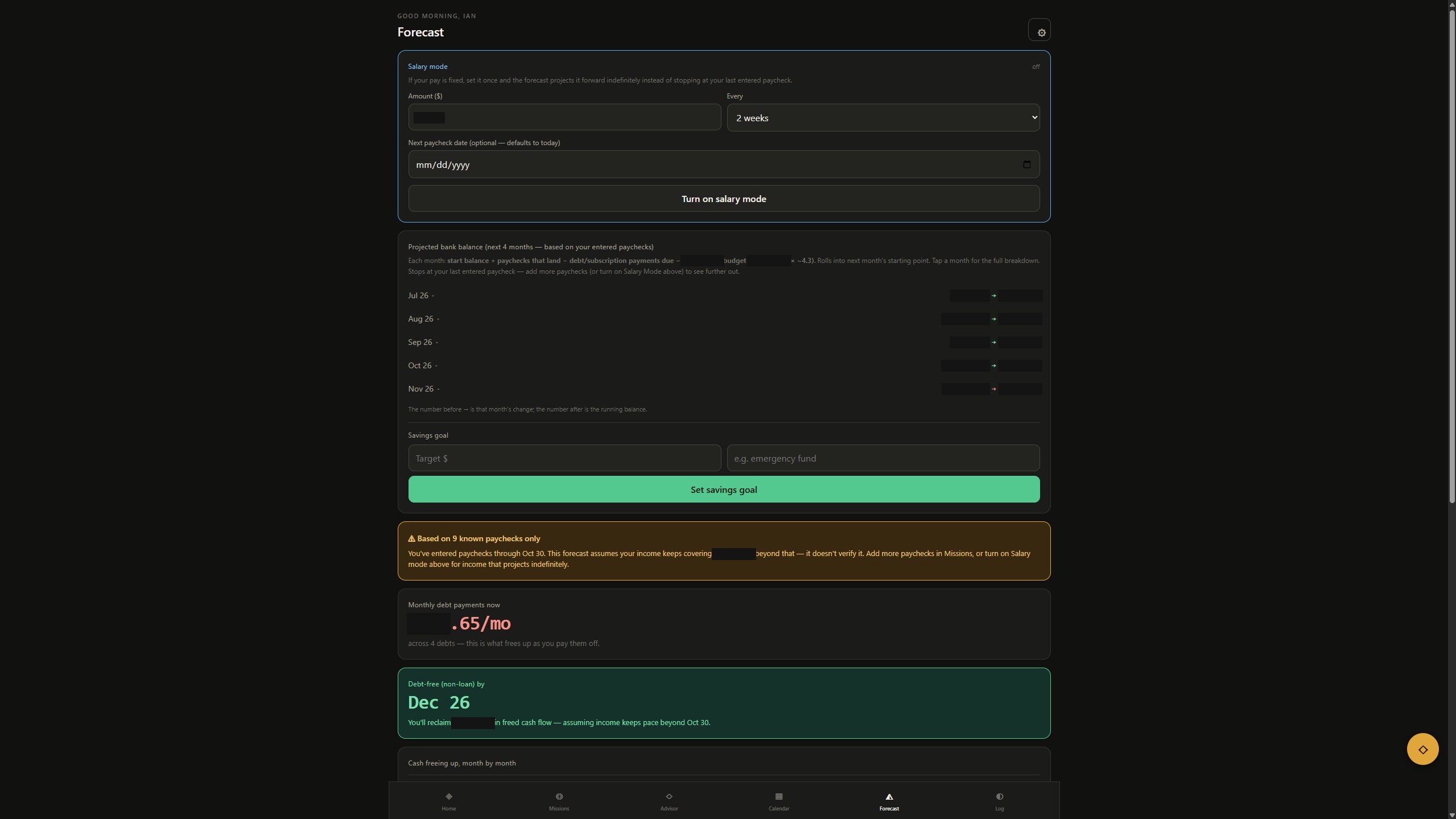
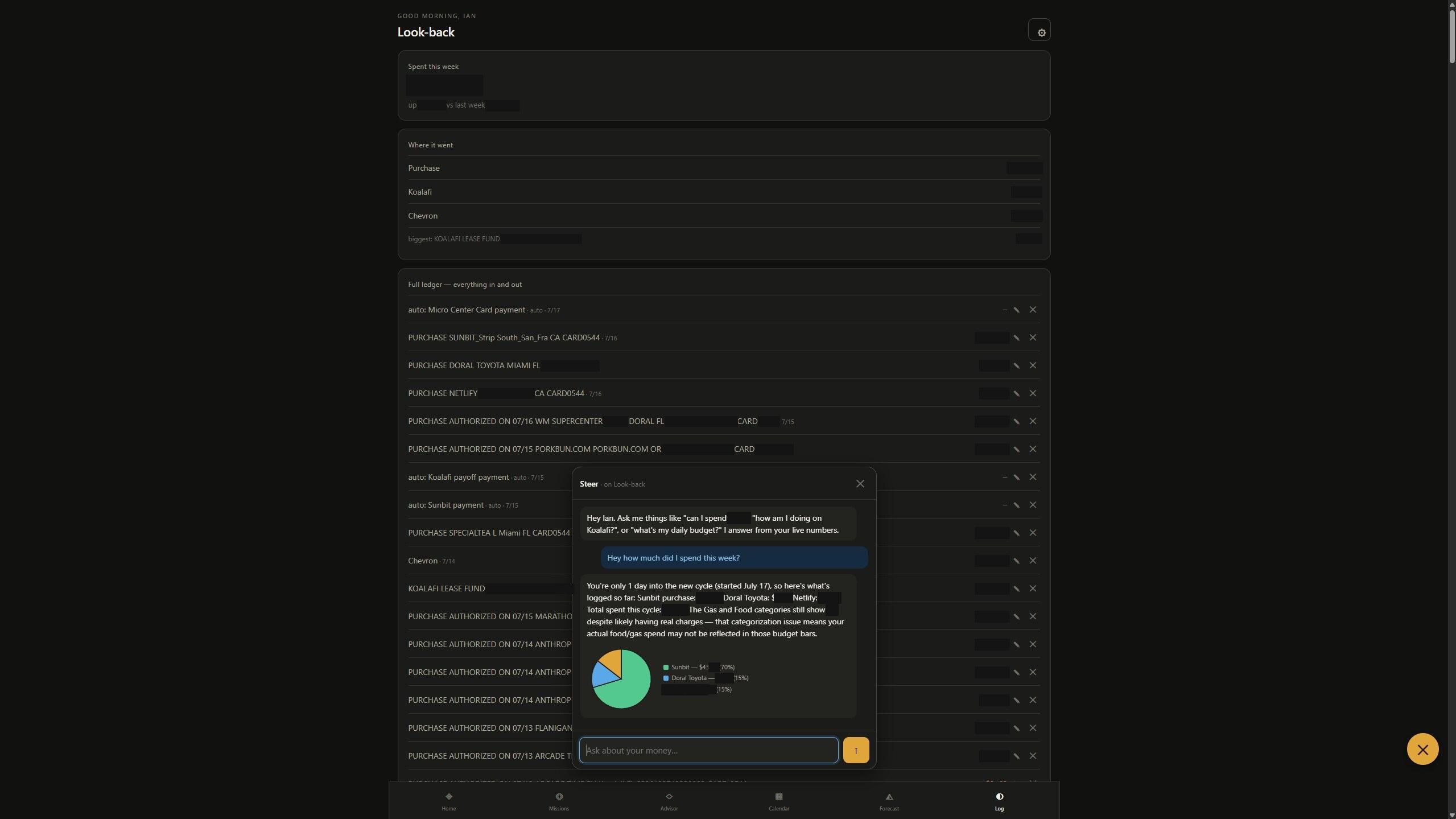
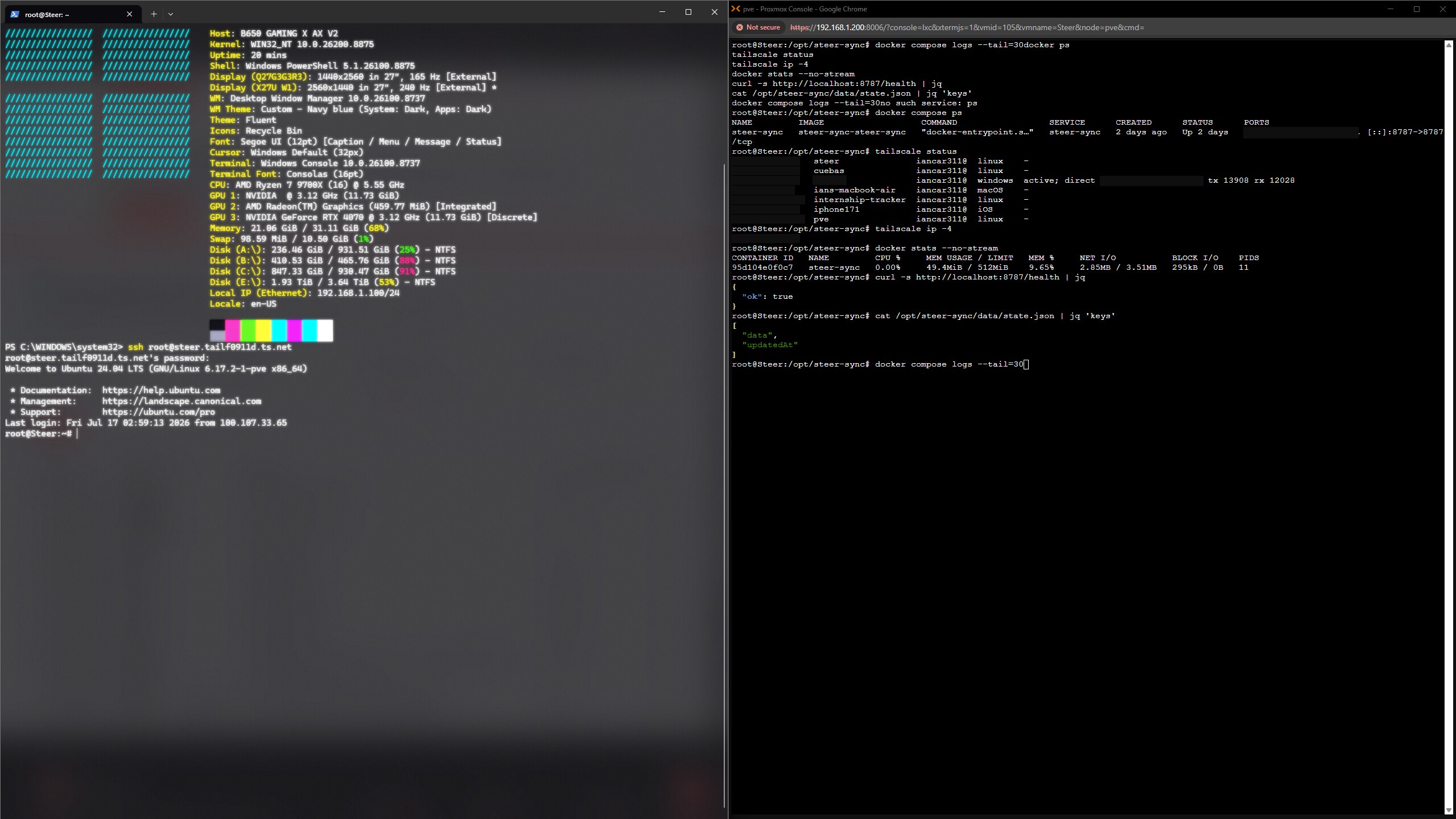
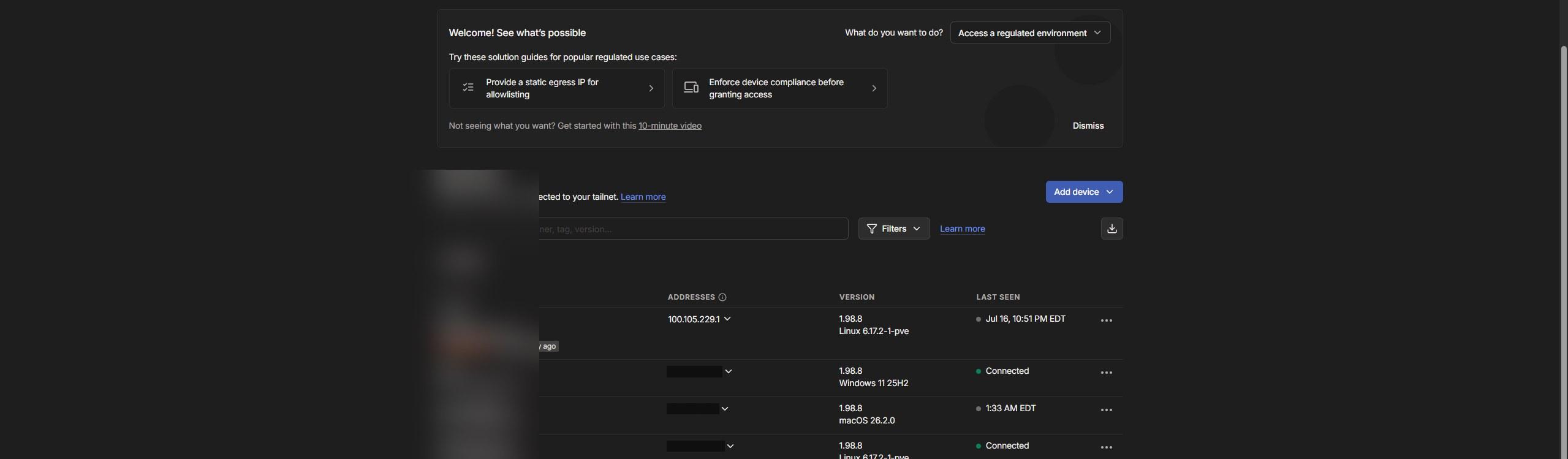
Objective: Build a personal finance PWA with full control over the data and infrastructure it runs on.
Result: A Dockerized Node/Express backend on a home Proxmox server, synced live across devices over a private Tailscale mesh network.
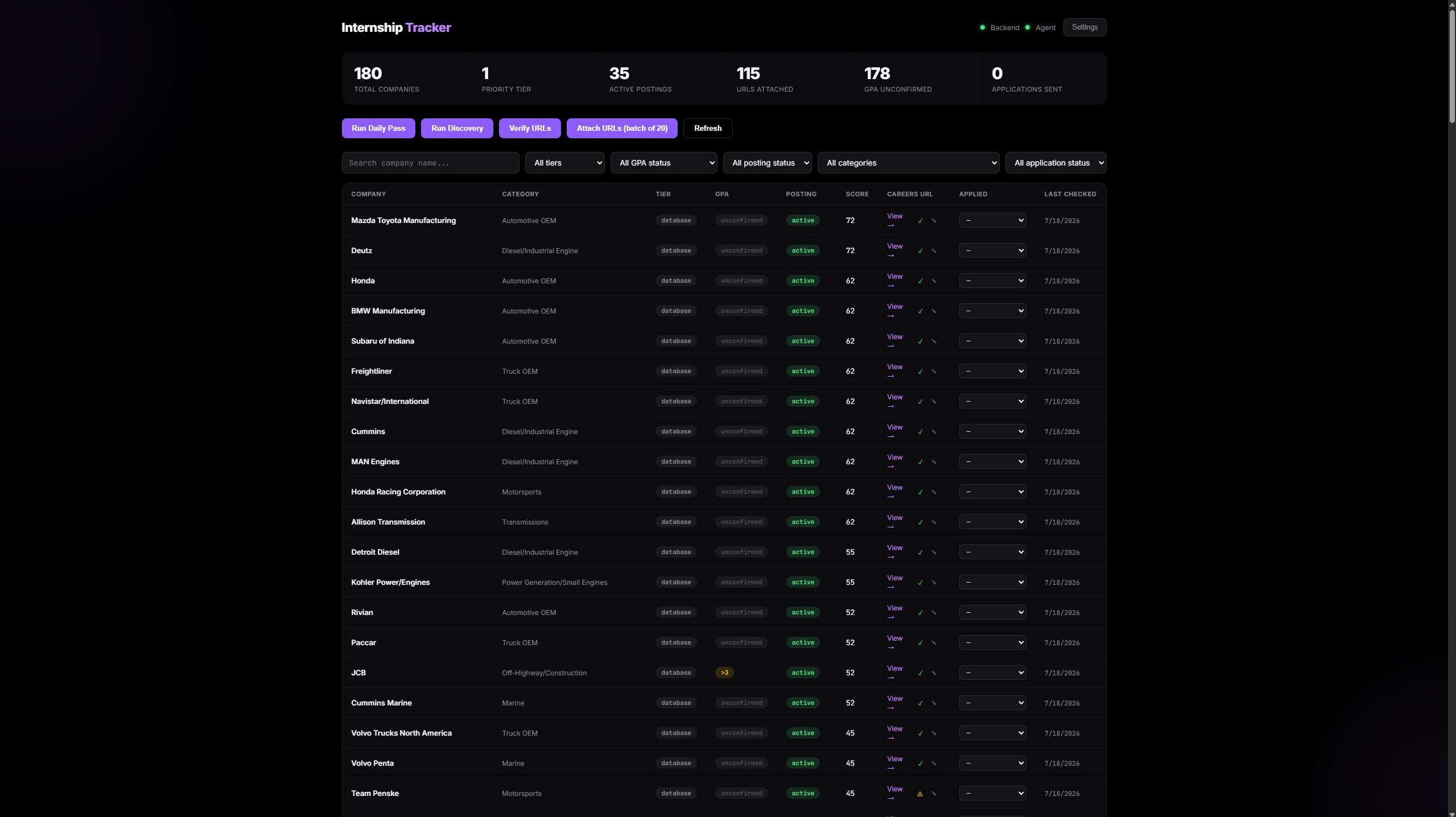
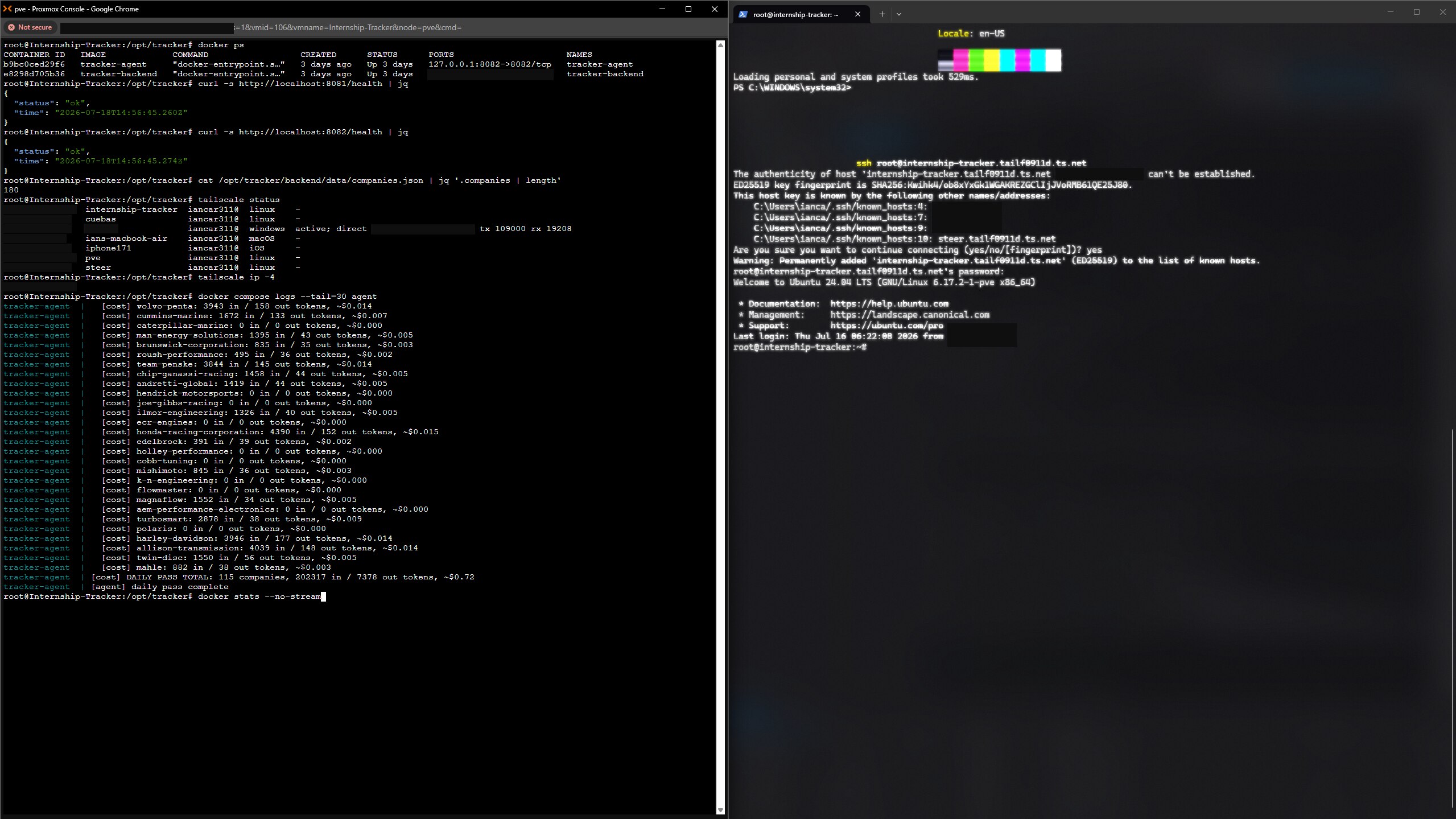
Objective: Build a self-hosted tool to track internship applications and automate company research with an AI agent, instead of managing it all in a spreadsheet.
Result: A Node/Express backend and Claude-powered research agent running in Docker on a home Proxmox server, tracking 180+ companies with a live filterable dashboard.
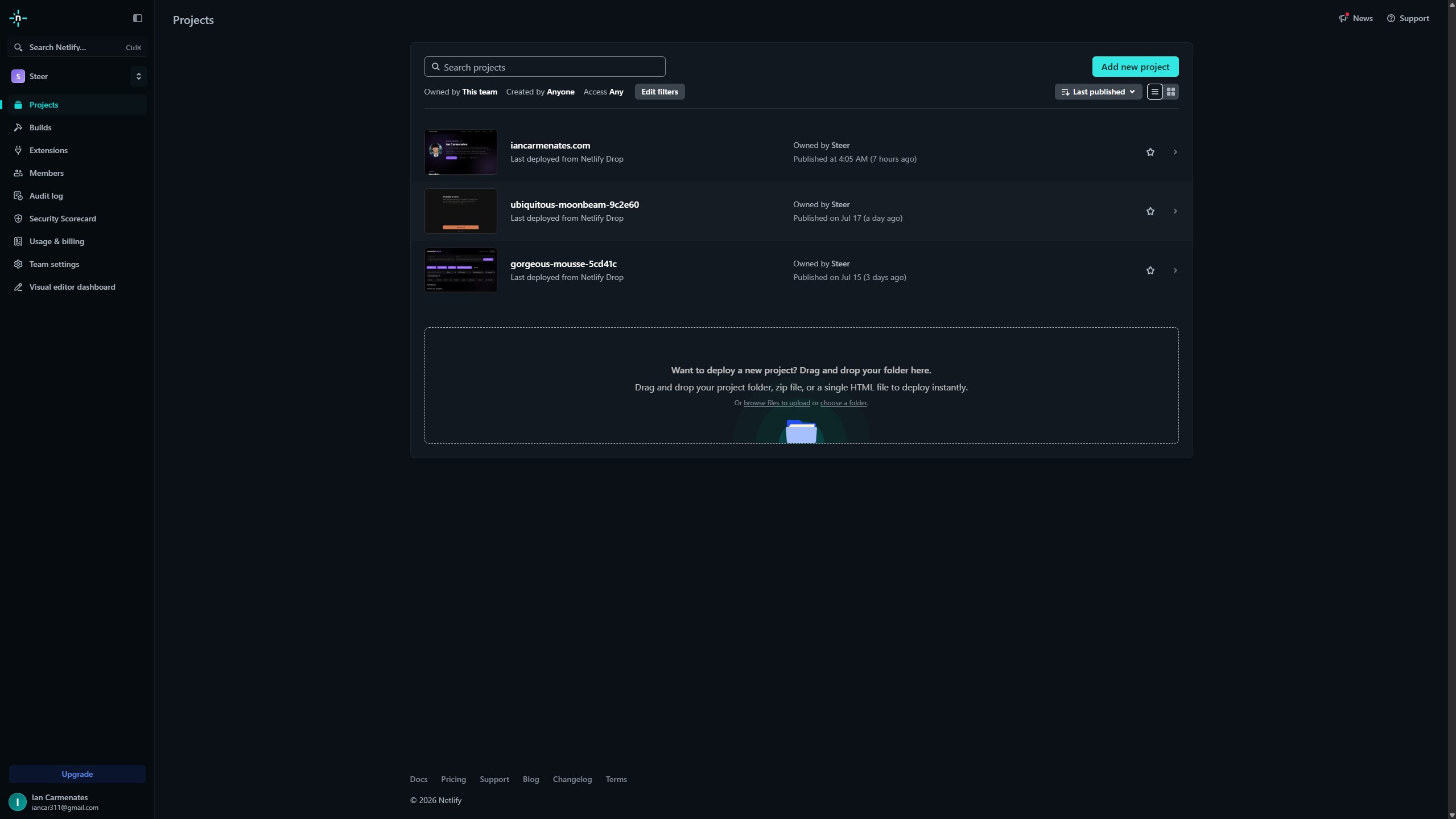
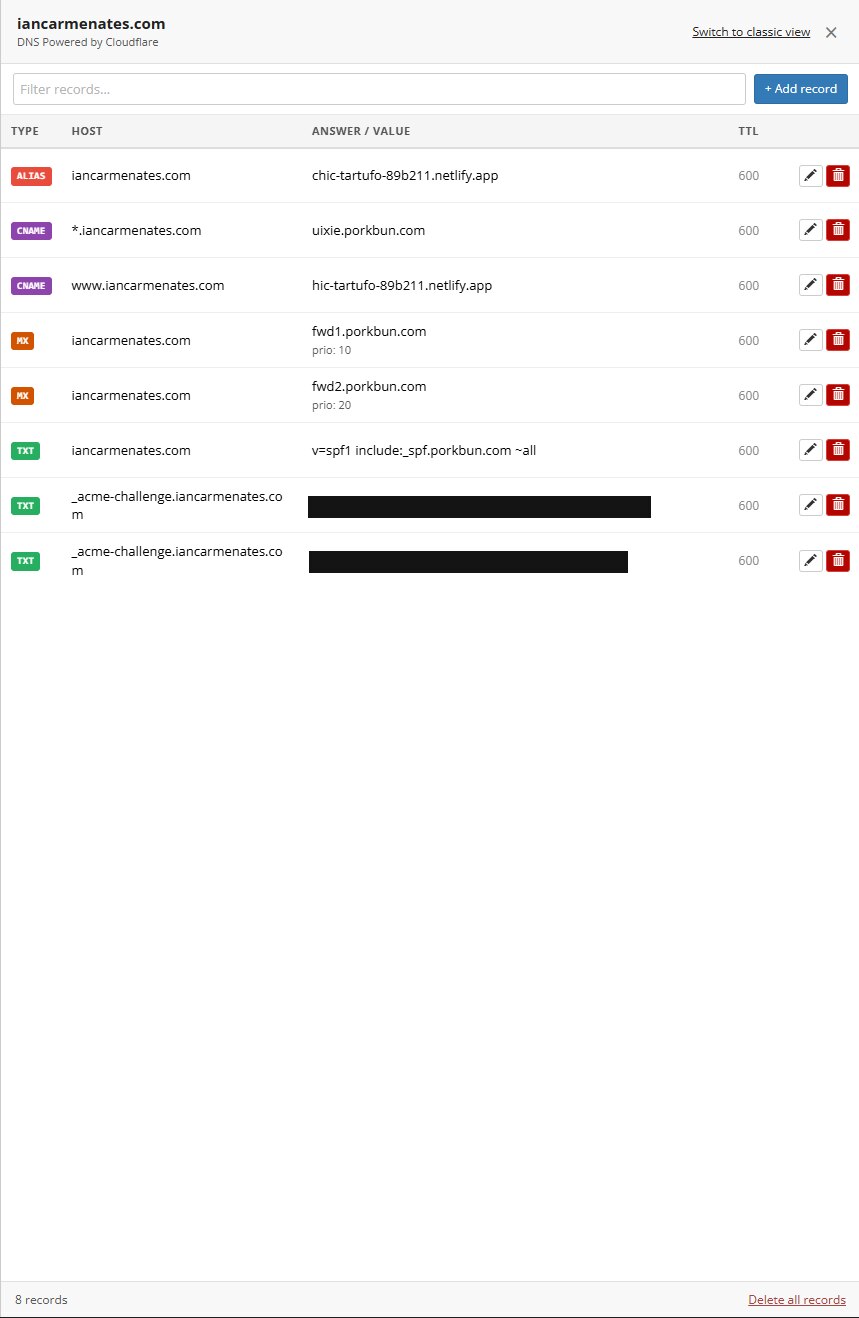
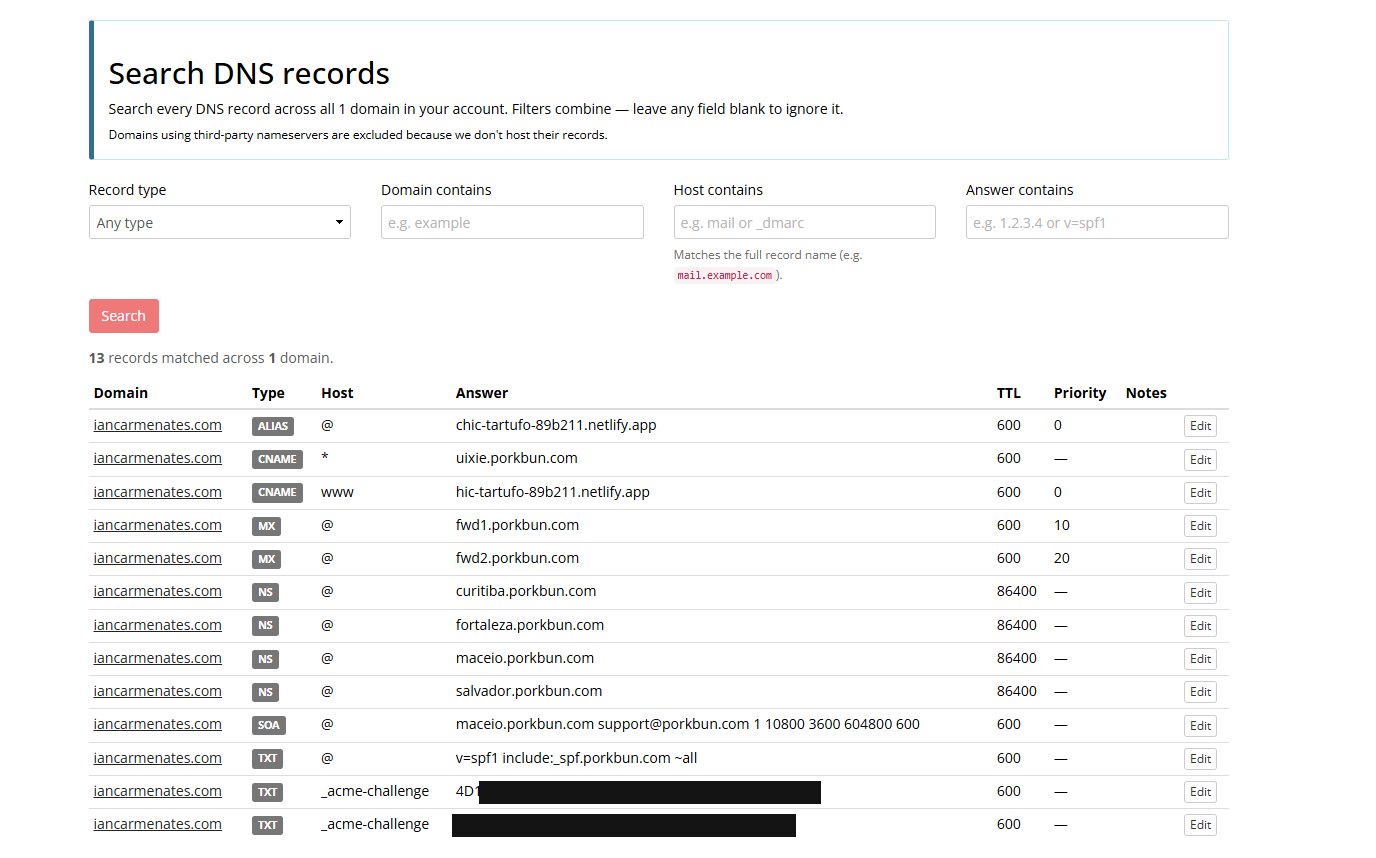
Objective: Build and host this site from scratch — no template builder, no CMS — with a custom domain and a deploy pipeline I control.
Result: A hand-built multi-page site on Netlify with a Porkbun-registered custom domain, deployed straight from a local build folder.
Featured
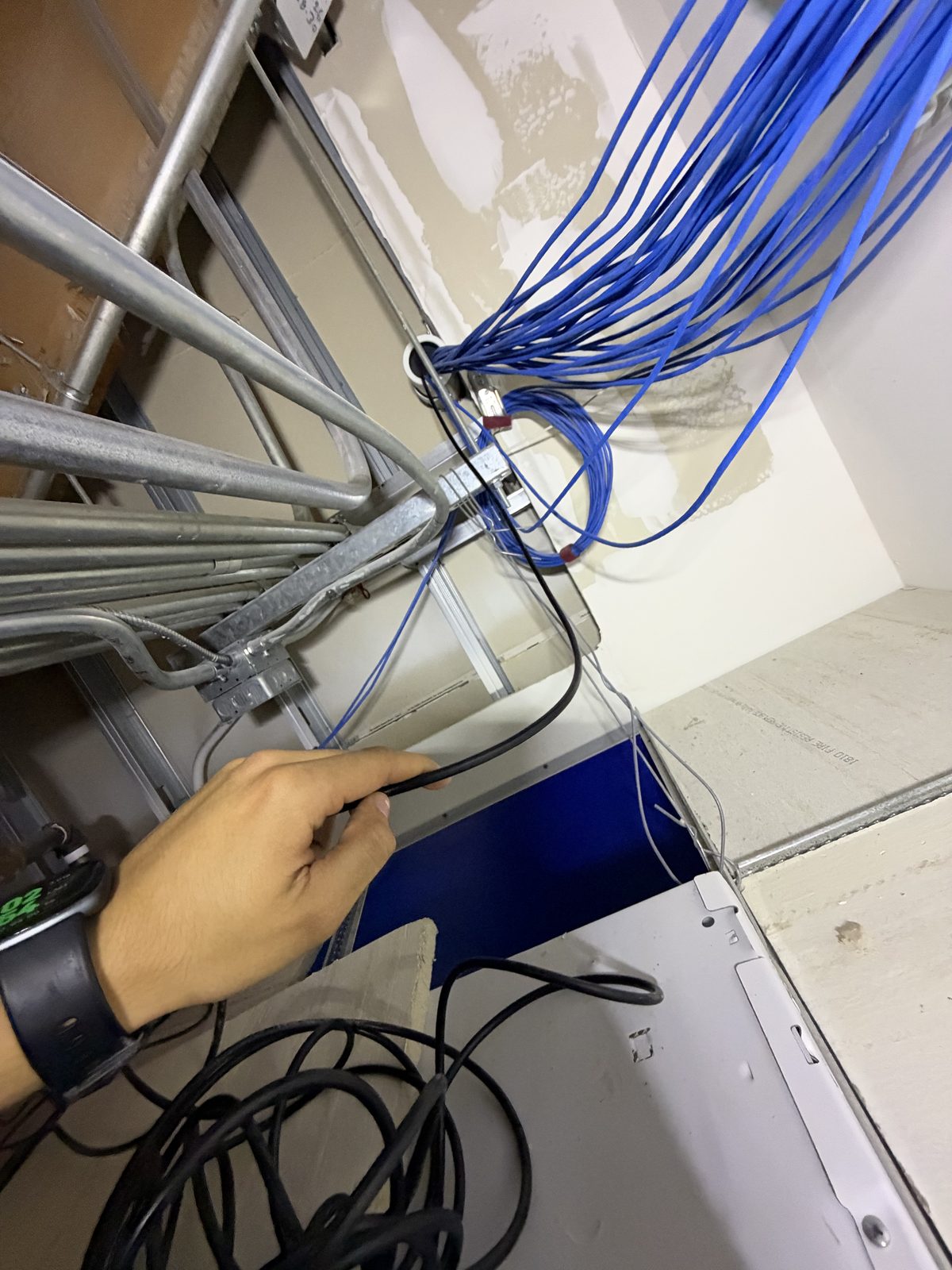
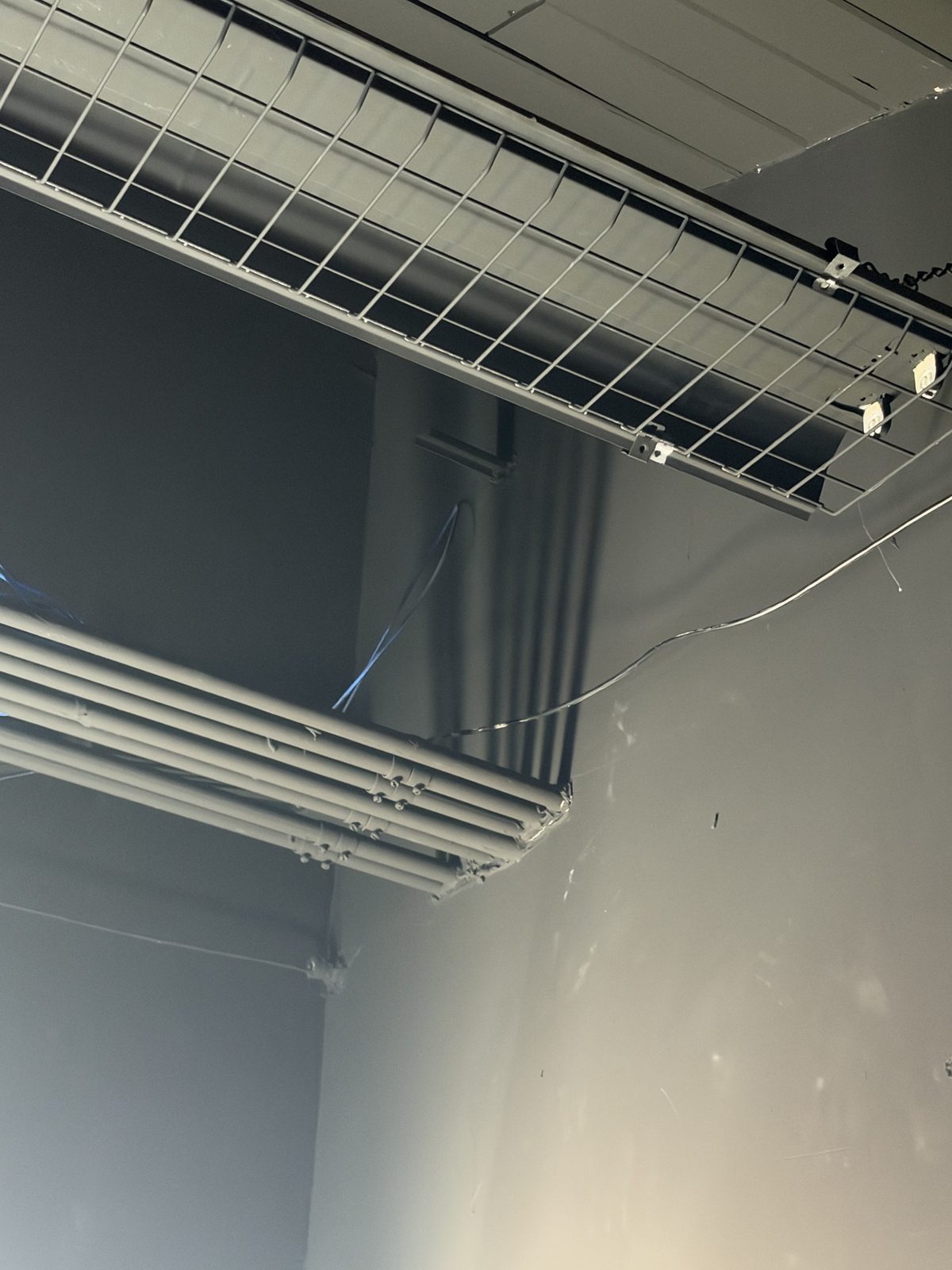
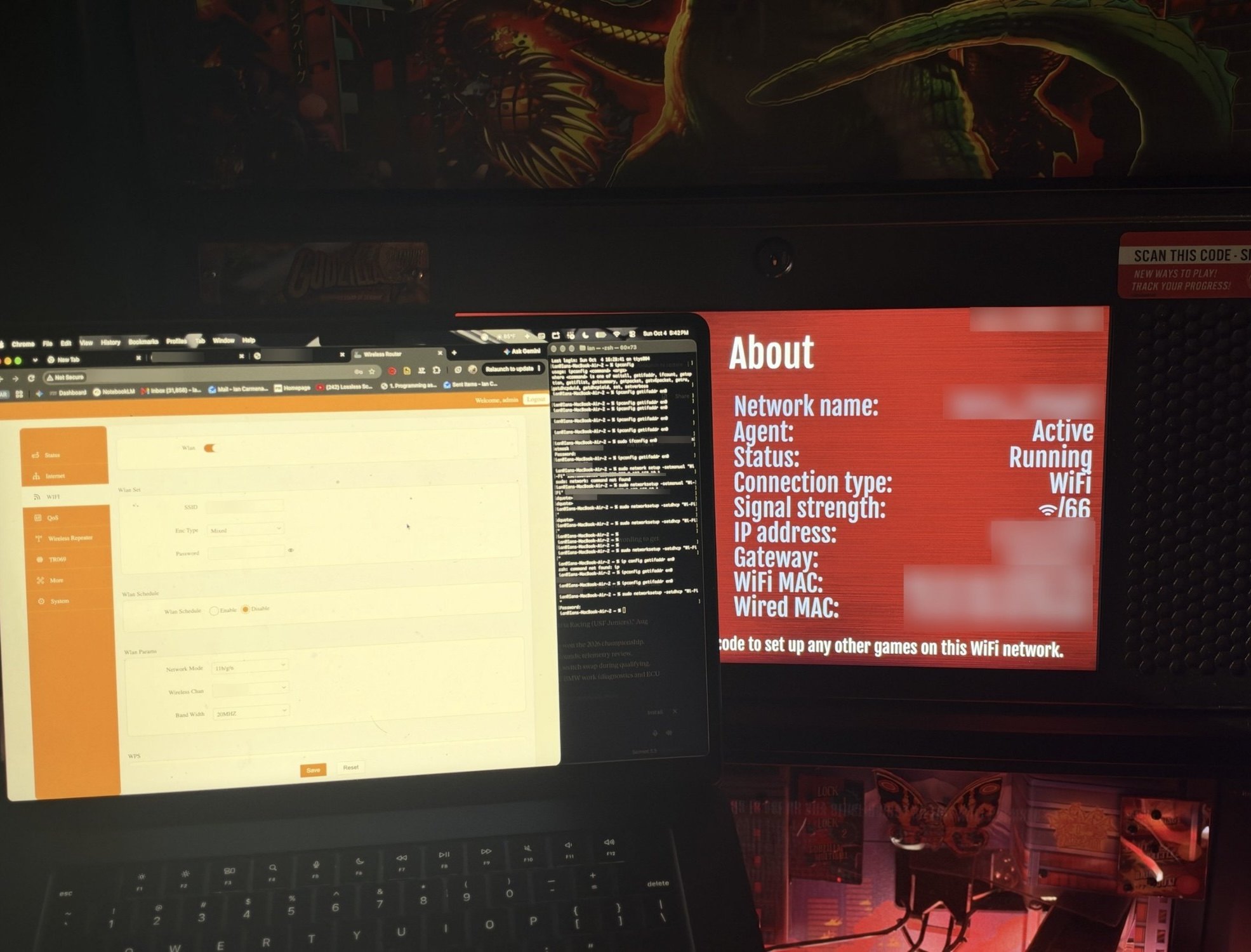
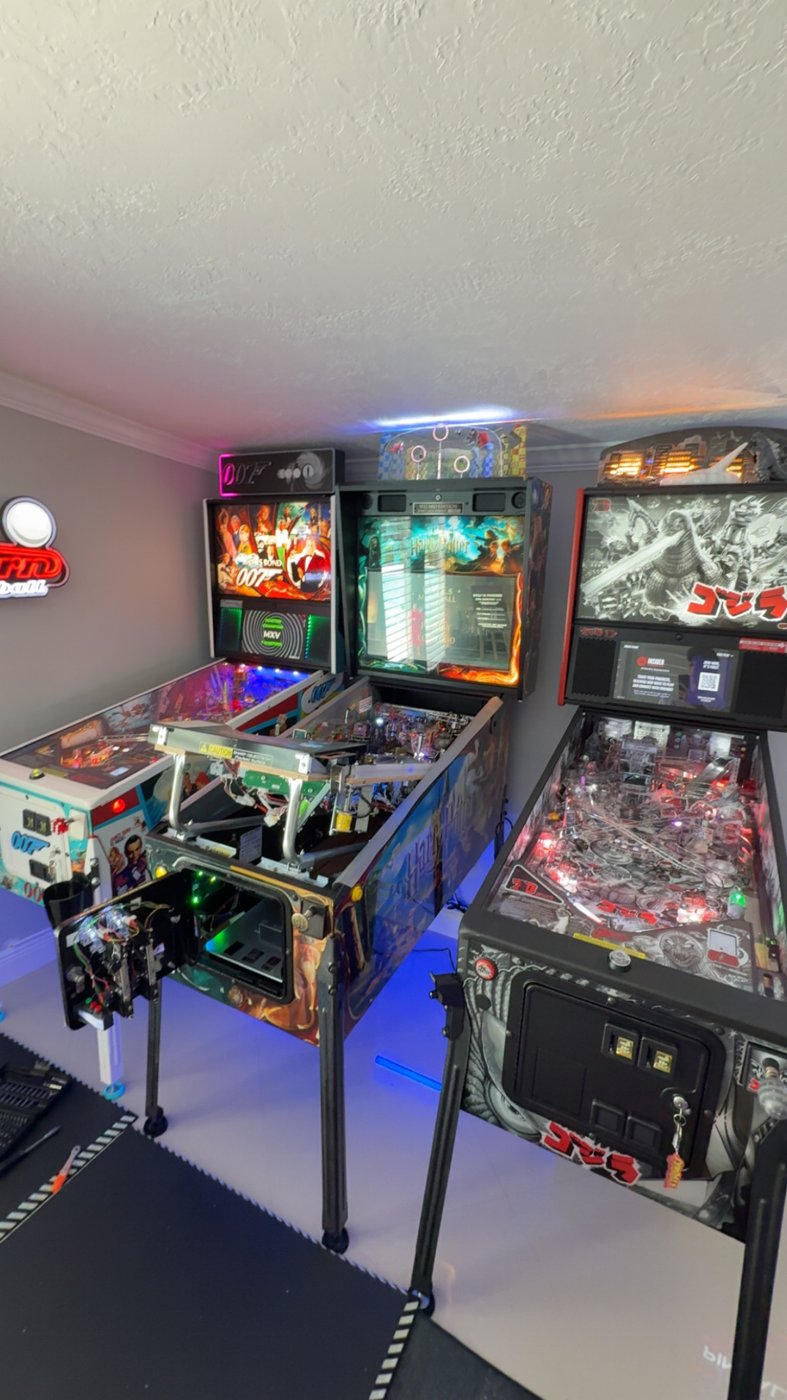
To get 17 Stern pinball machines online, I set up a second router as an access point only. DHCP is off, the 75 ft cable from the Nighthawk goes into one of its LAN ports. The white router just broadcasts Wi-Fi. The Nighthawk still hands out every IP address on the floor.
The machines then wouldn't connect. They'd join the network, drop packets, and fail to get an address. Stern's Wi-Fi drivers in these machines are older Linux ones, and they don't handle stricter wireless security settings. Once I matched the router's settings to what the machines support, they got addresses and reached Stern's servers right away.
I used the Mac's Terminal for two things. With DHCP off on the white router, I set a manual IP on my Mac so I could reach the router's admin page. After the change, I switched the Mac back to automatic and checked the address it received, which confirmed my Mac was getting a valid address from the Nighthawk across the 75 ft cable.
networksetup -setmanual "Wi-Fi" <static-ip> <subnet-mask> <router-ip>
networksetup -setdhcp "Wi-Fi"
ipconfig getifaddr en0
To roll it out, I set up the first machine by hand on the Retro_Pinball network. Stern's menu generates a QR code for that network, so I scanned it with the QR scanner on each of the other 16 cabinets. All 17 are online.
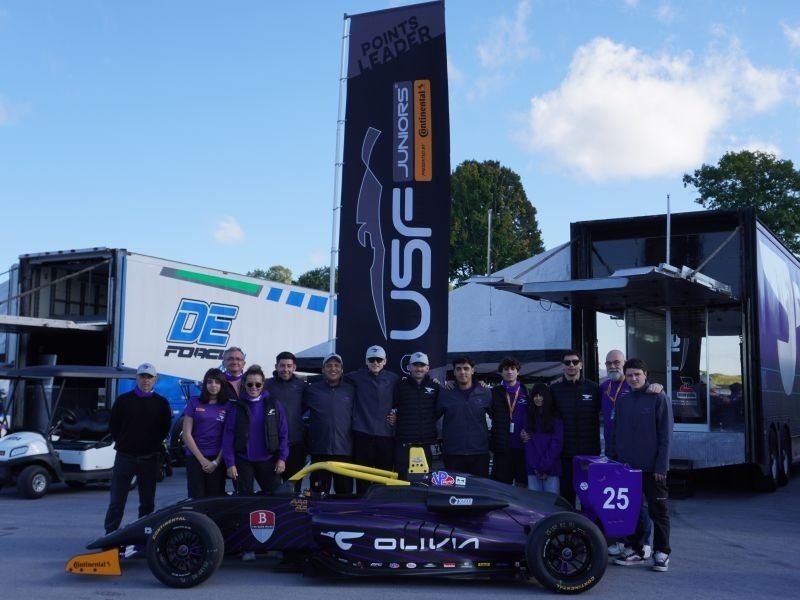
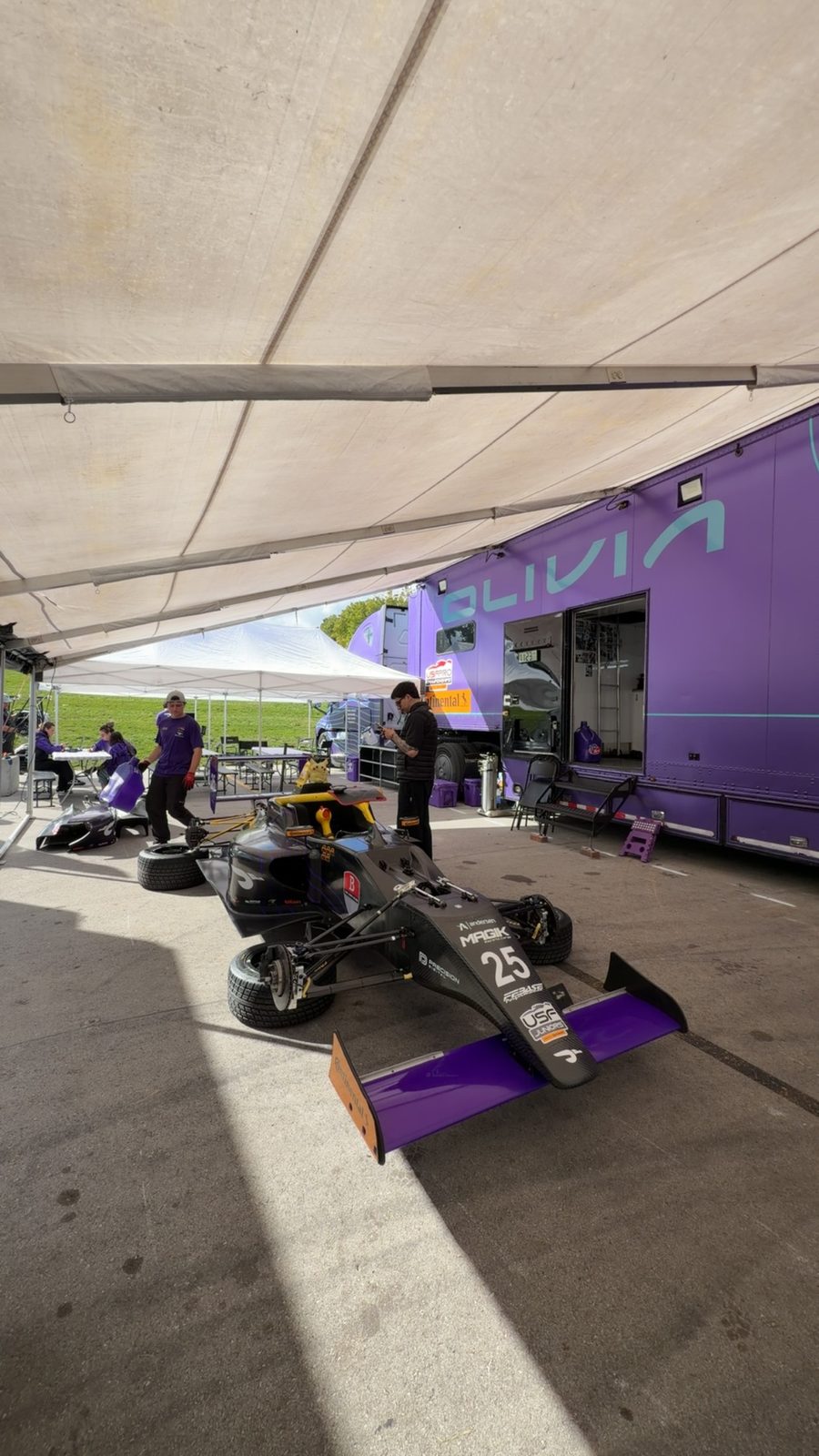
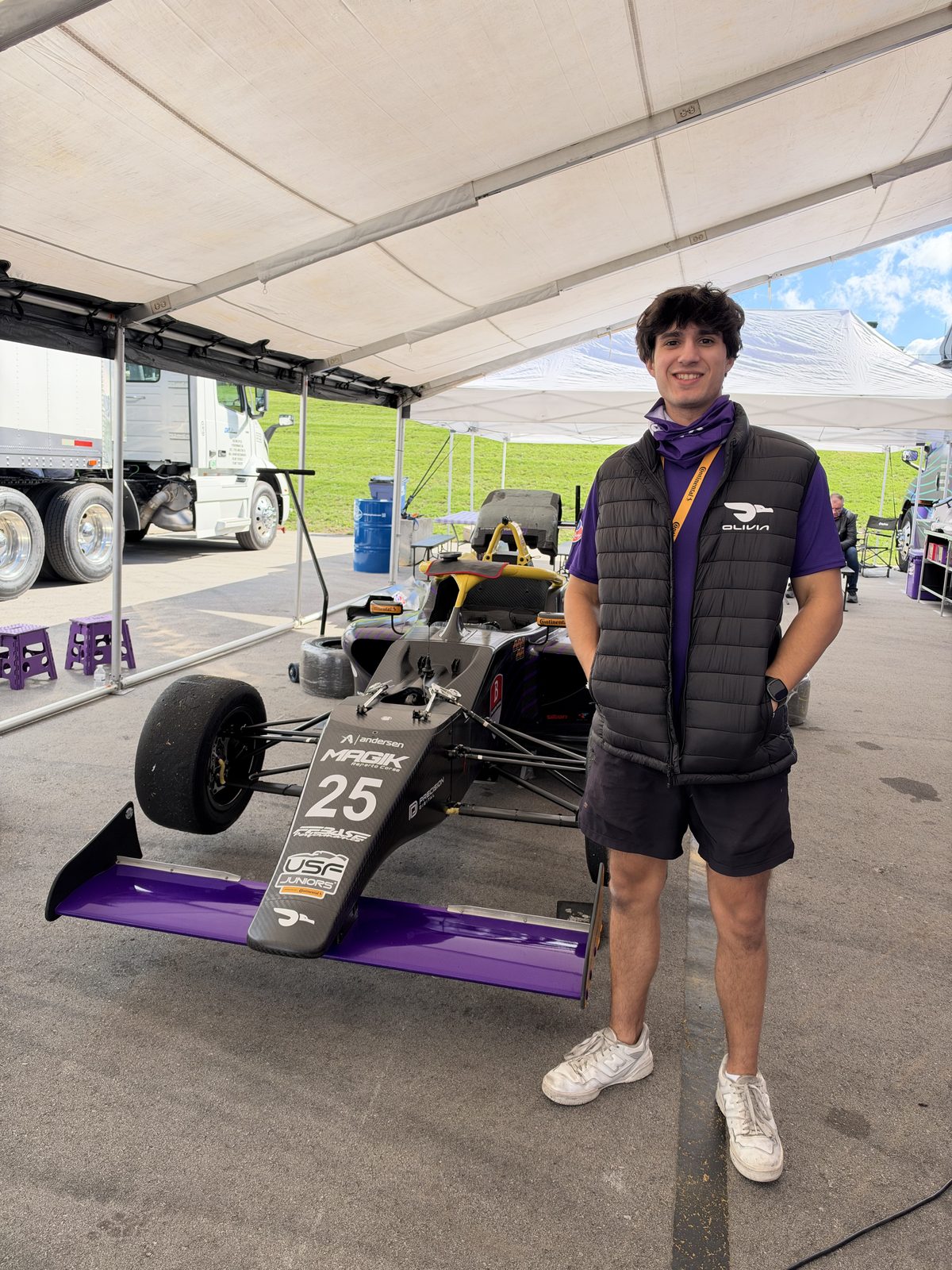
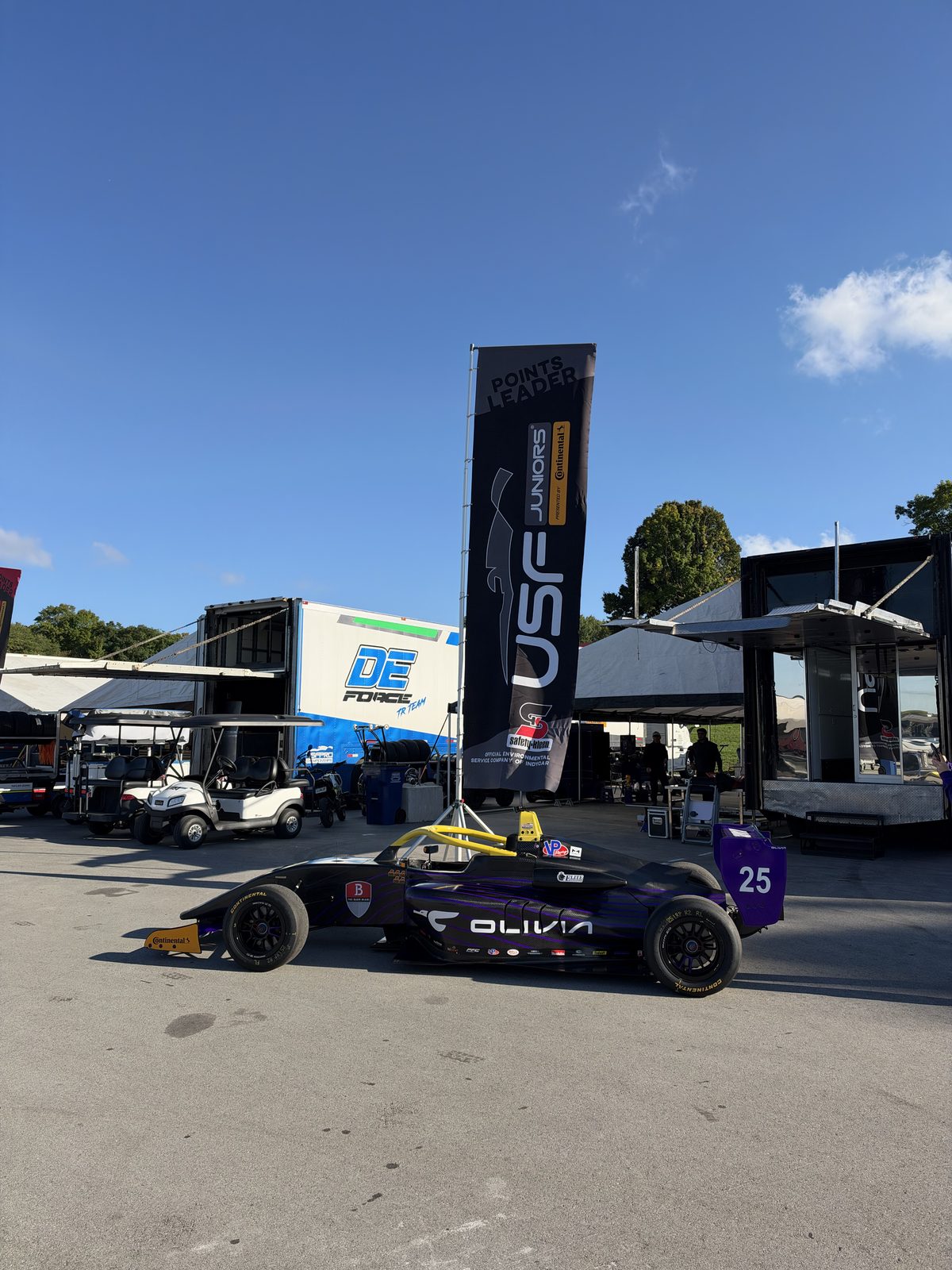
Road America was the last race weekend of the USF Juniors season, and the team won the championship. Here's what I worked on, start to finish.
Wednesday was setup. We leveled the scale pads, set corner weights, ride heights, and static alignment for this track, and the car cleared official technical inspection.
Thursday was three sessions: Test 1 at 9:00, Test 2 at 11:30, and official practice at 3:45. The point was to compare data the team logged here earlier in the season against that week's conditions. I logged tire pressure growth, pyrometer spreads across all four tires, and fuel use, which gets used to work out burn rates per lap and minimum weight margins. After practice I re-checked camber and toe.
Friday in qualifying, an ignition switch fault in the switch panel cut power and cost us 15 minutes. We diagnosed it and swapped the switch inside that window. Then came three races across Friday and Saturday, and we closed out the season as 2026 USF Juniors champions.
I recorded most of the weekend on my Meta glasses. Here's a short video of it.
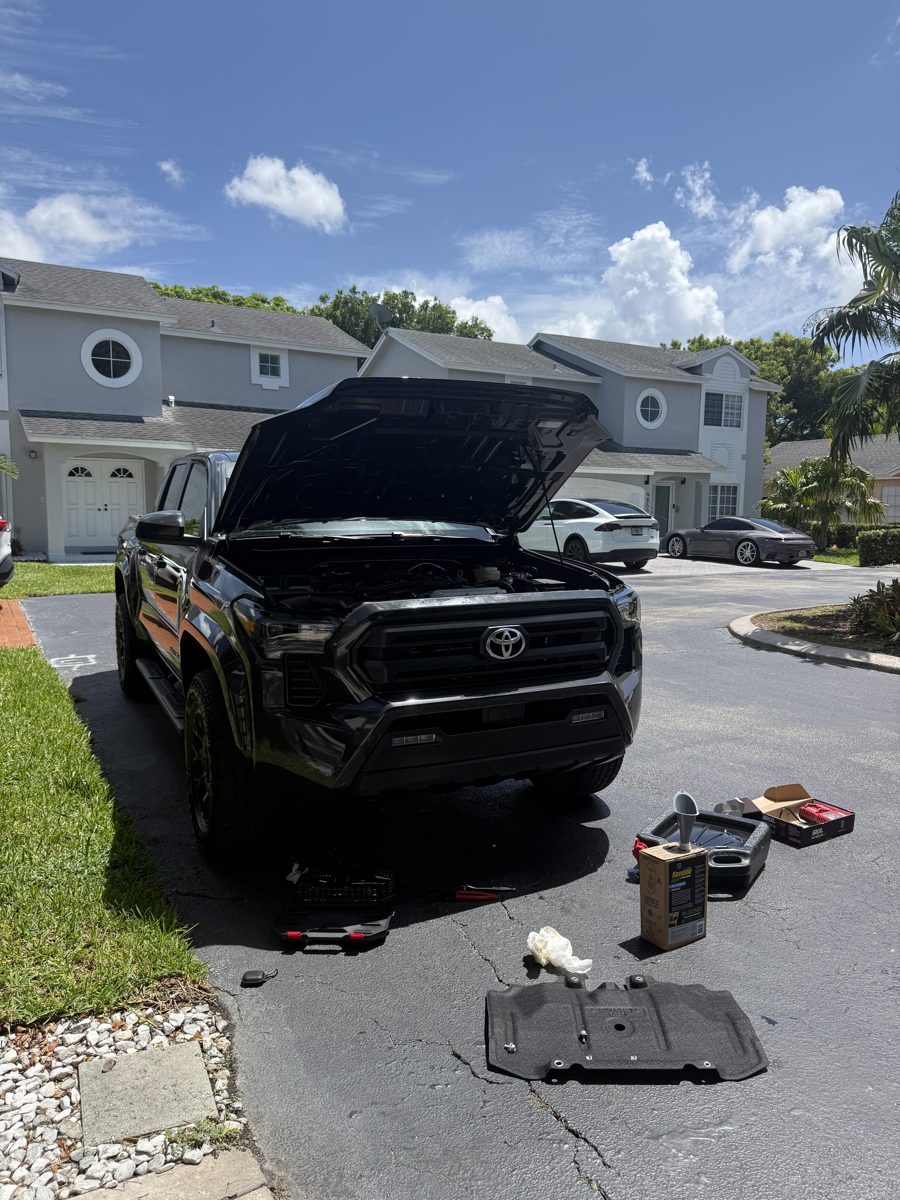
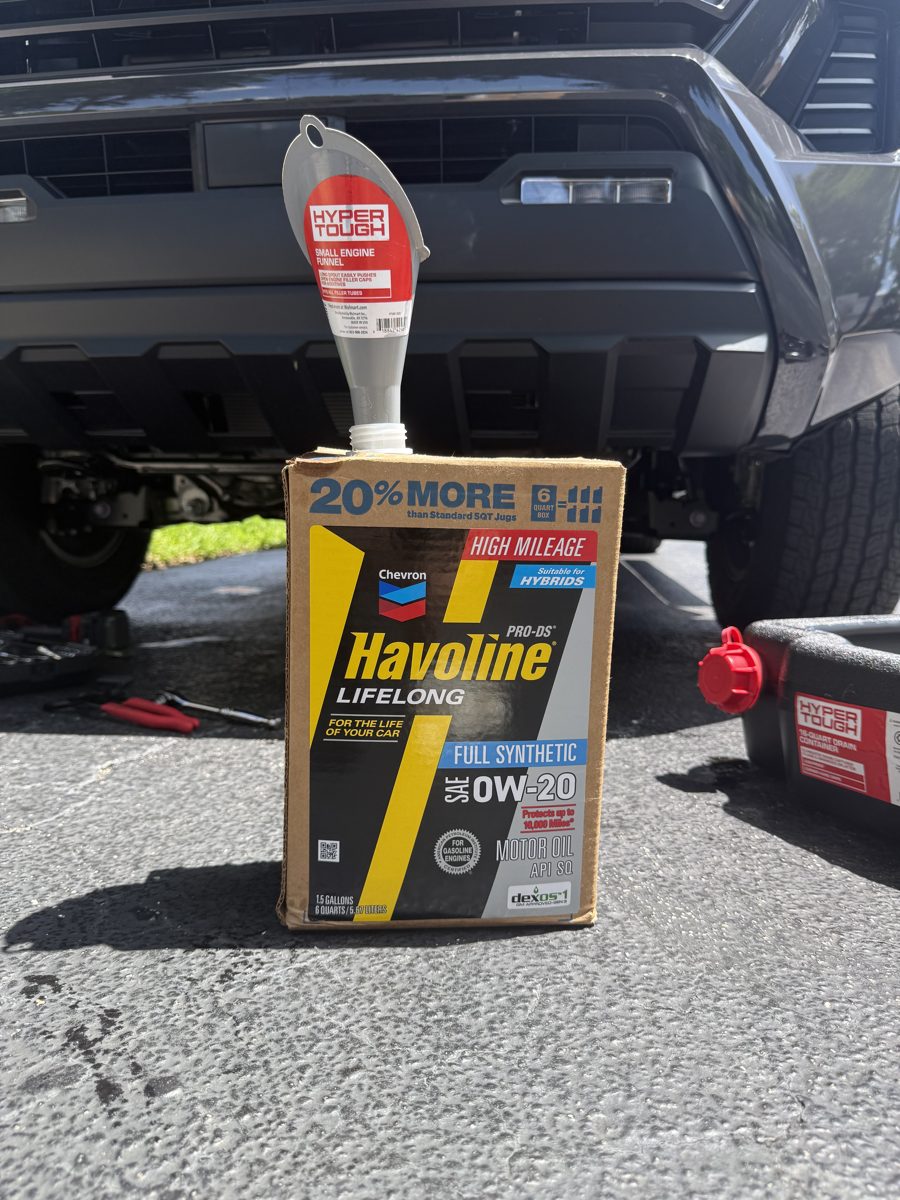
Just hit 1,000 miles on my new Tacoma, which means break-in period is done. Instead of waiting for the factory 10K interval, I pulled the oil myself to see what was actually in it.
A materials engineering class is what made break-in click for me. It's not a myth, it's tolerances. New internal surfaces wear each other down under load until they settle into clearance, shedding metal into the oil in the process. That's exactly why the first oil change matters, especially on a forced induction engine where the margin for error is smaller.
That same class is why I care about oil analysis too, not just oil changes. A used oil analysis measures exact wear metal content, contamination, and remaining additive life in the oil, the same wear and degradation concepts from class, just applied to something in my driveway instead of a lab sample.
Small maintenance job, good reminder of why I picked this major.
Contact
Open to summer 2027 internships and co-ops in automotive and engine engineering.